There is no such thing as a "BRW Base Reward Token." If you see that name popping up on social media or in spam emails, stop right there. It is a scam designed to steal your wallet contents. The real story is about Base, the Ethereum Layer 2 network built by Coinbase, and its highly anticipated exploration of a genuine native token.
In September 2025, at the BaseCamp conference in Vermont, Jesse Pollak, the founder of Base, officially confirmed that the team is exploring a native network token. This wasn't just a rumor anymore; it was a strategic announcement. While Coinbase CEO Brian Armstrong cautioned that "there are no definitive plans," the message was clear: Base is moving toward decentralization, and early users might be rewarded. With Base already ranking as the second-largest Layer 2 network after Arbitrum, holding $5 billion in Total Value Locked (TVL), the potential payout for qualified participants could be significant.
Understanding the Base Native Token Exploration
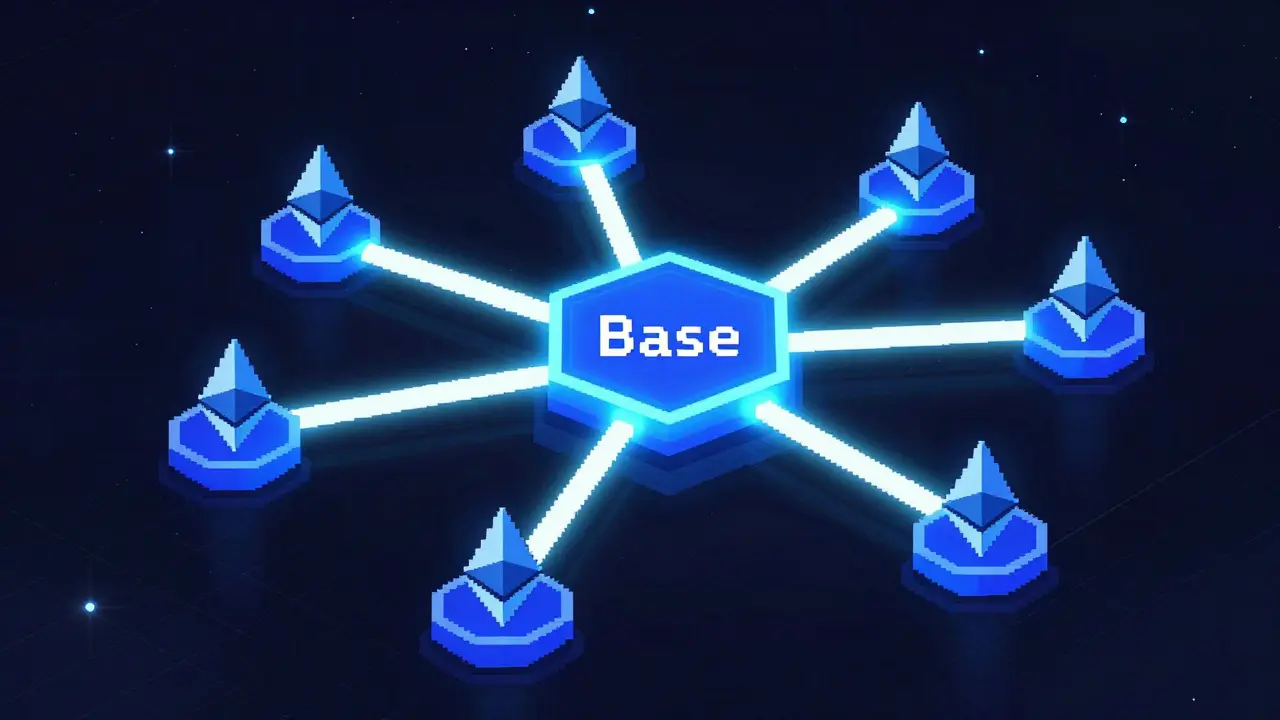
To qualify for anything, you first need to understand what Base actually is. Base is an Ethereum Layer 2 blockchain incubated by Coinbase, utilizing the OP Stack technology to offer fast, low-cost transactions while inheriting Ethereum's security. Unlike standalone chains, Base sits on top of Ethereum, making it cheaper to use but equally secure. Since its launch in 2023, it has processed hundreds of millions of transactions, often costing less than a penny per transfer.
The exploration of a native token marks a shift in strategy. Initially, Base focused purely on product development without incentives. Now, with competitors like Arbitrum having successfully distributed tokens to early users, Base is considering a similar path to align incentives between developers, users, and the network itself. The goal isn't just to create a tradable asset but to foster governance and utility within the ecosystem. Jesse Pollak emphasized that this process will be built in the open, meaning the community will have a say in the final design.
The Official Timeline: What to Expect in 2026
Patience is key here. There is no immediate drop. Base has outlined a structured approach for the remainder of 2025 and into 2026. Understanding this timeline helps you plan your activities without rushing into risky behavior.
- Q4 2025: Continued token design and collection of community feedback. This is the phase where the rules are being written.
- Q1 2026: Finalizing tokenomics. This includes deciding how many tokens exist, who gets them, and what they can do.
- Q2 2026: Potential airdrop distribution. This is the target window for qualifying users to receive their allocation.
Keep in mind that these are targets, not guarantees. Crypto projects often face delays due to regulatory scrutiny or technical challenges. However, the fact that a timeline exists suggests serious intent. Your job right now is to ensure your wallet history looks attractive when those snapshots are taken.
How to Qualify: Proven Strategies for Early Participants
If you want to maximize your chances of receiving Base tokens, you need to demonstrate genuine usage of the network. Airdrop algorithms typically look for consistency, volume, and diversity of activity. Here is how you can position yourself effectively.
1. Bridge Funds to Base Regularly
You cannot interact with Base if your assets are sitting on Ethereum Mainnet or other chains. Use official bridges to move ETH or stablecoins like USDC to Base. Doing this once isn't enough. Try to bridge small amounts multiple times over several months. This shows sustained interest rather than a one-off speculative move. Avoid unofficial third-party bridges that promise "extra rewards"-these are often phishing sites. Stick to the bridge.base.org interface or trusted aggregators like Jumper Exchange.
2. Engage with Decentralized Exchanges (DEXs)
Trading is a primary metric for qualification. Swap tokens on leading Base DEXs such as Uniswap, Aerodrome, or SushiSwap. Don't just buy and hold; provide liquidity if you're comfortable with the risk. Providing liquidity demonstrates that you are contributing to the network's functionality. Rotate your positions occasionally to show active management. Remember, transaction fees on Base are negligible, so you can afford to make frequent, smaller trades to build up your transaction count.
3. Utilize Lending and Borrowing Protocols
DeFi lending platforms are another strong signal of value. Deposit assets into protocols like Moonwell, Aave, or Compound on Base. Borrowing against your collateral adds another layer of interaction. These protocols track user behavior closely, and being an active borrower/lender often correlates with higher airdrop allocations in previous Layer 2 distributions. Ensure you maintain healthy collateral ratios to avoid liquidation, which would ruin your streak.
4. Interact with Base-Native Applications
Base has a growing ecosystem of apps beyond just finance. Use NFT marketplaces like Zora or OpenSea on Base to mint or trade digital art. Participate in gaming apps or social protocols that run on the network. The more diverse your footprint, the better. A user who only swaps tokens looks like a bot; a user who trades, lends, mints NFTs, and votes in governance proposals looks like a community member.
5. Maintain Consistency Over Time
This is the most overlooked factor. Many users rush to transact heavily in a single week before an expected snapshot. Smart contracts can detect this pattern. Instead, aim for consistent weekly or monthly activity. Even a small swap or deposit every few weeks is better than a massive burst of activity followed by silence. Consistency proves long-term commitment to the network.
Comparing Base to Other Layer 2 Airdrops
To understand the potential value, let's look at how Base compares to its peers. Historical data from other Layer 2 networks provides a benchmark for what early adopters might expect.
| Network | Backing | TVL (Approx.) | Airdrop Status | Key Lesson |
|---|---|---|---|---|
| Arbitrum | Offchain Labs | $2B+ | Distributed (ARB) | Early stakers and traders received significant allocations based on historical activity. |
| Optimism | OP Labs | $1B+ | Distributed (OP) | Rewarded both users and developers who contributed to the Superchain ecosystem. |
| Base | Coinbase | $5B+ | Exploration Phase | Largest TVL among major L2s; potential for massive distribution due to Coinbase integration. |
| zkSync | Matter Labs | $300M+ | Distributed (ZK) | High volatility post-airdrop; importance of vesting schedules and utility became clear. |
Notice that Base has the highest TVL among these competitors. High TVL usually indicates a larger treasury and more resources to distribute. However, it also means more users are competing for those rewards. The presence of Coinbase, with its 100 million verified users, gives Base a unique advantage. If Base integrates its token with Coinbase's exchange features, the utility could drive substantial demand, potentially increasing the value of any airdropped tokens.
Red Flags: Avoiding Scams and Fake Tokens
As hype builds around the Base native token, scammers become more aggressive. You mentioned "BRW Base Reward Token" in your search. This is a classic example of a fake token. Scammers create tokens with names similar to legitimate projects and list them on decentralized exchanges. They then promote them on Twitter, Telegram, or Discord, claiming that interacting with the contract qualifies you for the real airdrop.
Here is how to protect yourself:
- Never approve unknown contracts: If a site asks you to approve a token named "BRW" or any variation of "Base Reward," revoke that approval immediately using tools like Revoke.cash.
- Check official channels: Only trust information from @Base at X (Twitter) or the official base.org website. Do not believe DMs from "support" accounts.
- Avoid "Claim" buttons: Legitimate airdrops are usually claimed through a dedicated portal on the project's main domain, not via random links sent in messages.
- Use a burner wallet: Consider using a separate wallet for interacting with new or unverified dApps. Keep your main holdings in a cold storage device or a well-secured hot wallet with limited approvals.
The cost of a mistake is total loss of funds. There is no customer service in crypto to reverse a bad transaction. Vigilance is your best defense.
Regulatory Considerations and Coinbase's Role
One unique aspect of Base is its parent company, Coinbase. As a publicly traded entity in the United States, Coinbase faces strict regulatory scrutiny from the SEC and other bodies. This affects the token exploration process. Any native token must likely comply with securities laws, which could delay distribution or alter the structure of the airdrop.
For example, Coinbase may exclude users from certain jurisdictions (like the US mainland) from receiving tokens directly to avoid classification as an unregistered security offering. Alternatively, they might implement a vesting schedule where tokens unlock over time, reducing sell pressure and regulatory risk. Keep an eye on legal announcements from Coinbase regarding crypto regulations in 2026. Changes in law could significantly impact the timing and eligibility criteria for the Base token.
Next Steps for Your Strategy
So, what should you do today? Start by auditing your current Base activity. If you haven't bridged funds recently, do it now. Set up a recurring reminder to interact with a different protocol each week. Join the Base community forums and Discord servers to stay updated on official announcements. Engage in discussions, report bugs, and contribute to the ecosystem's growth. Community contribution is often weighted heavily in tokenomics designs.
Remember, the goal is not to game the system but to genuinely use the network. Base is building a robust financial infrastructure. By using it, you support its growth and position yourself as a valuable participant. Whether the airdrop happens in Q2 2026 or later, your activity will have value. And if the worst-case scenario occurs and no token is launched, you still have access to one of the most efficient and secure blockchain networks available today.
Is BRW Base Reward Token real?
No, BRW Base Reward Token is not real. It is a scam token. The only official token associated with Base is the yet-to-be-launched native Base token, which is currently in the exploration phase. Do not interact with any contract labeled as BRW.
When will the Base airdrop happen?
Based on the timeline announced by Base founders, the potential airdrop distribution is targeted for Q2 2026. However, this is subject to change based on regulatory approvals and final tokenomics decisions.
Do I need to stake ETH to qualify for the Base airdrop?
Staking ETH is not a requirement, but interacting with the network is. Bridging funds, trading on DEXs, providing liquidity, and using lending protocols are the primary ways to demonstrate activity. Staking ETH on Ethereum Mainnet does not automatically qualify you for Base rewards unless you bridge that activity to Base.
Can US residents participate in the Base airdrop?
It is uncertain. Due to regulatory constraints faced by Coinbase, US-based users may be excluded from direct token distribution or face restrictions. Always check the latest legal disclaimers on the official Base website.
What is the minimum amount needed to qualify?
There is no officially stated minimum amount. However, historical airdrops suggest that even small interactions (e.g., $10-$50 worth of transactions) spread over time can qualify. Consistency matters more than sheer volume.
Is it safe to bridge funds to Base?
Yes, if you use the official bridge at bridge.base.org or trusted aggregators. Base is secured by Ethereum and uses optimistic rollup technology. Never use unofficial links found in social media comments.