
What Are State Channels?
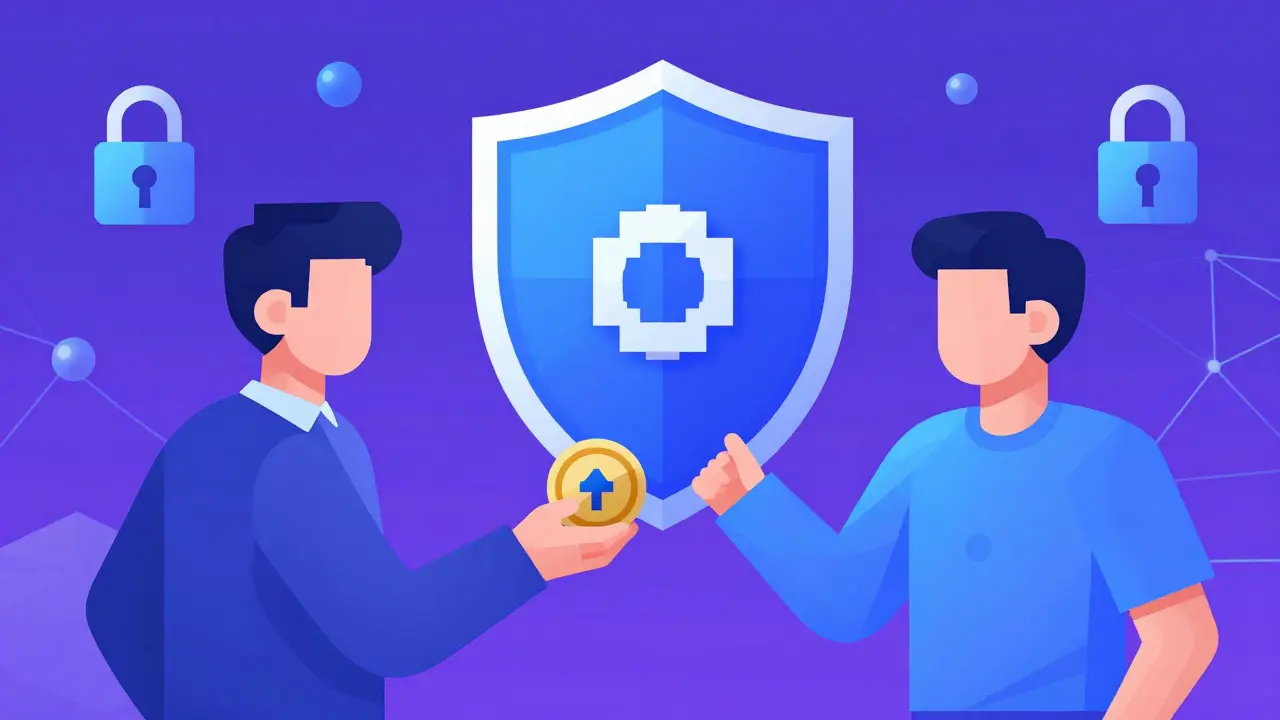
State Channel is a Layer 2 scaling solution that enables off-chain transactions with cryptographic security guarantees anchored to the underlying blockchain. Think of it like having a private conversation between two people. Instead of broadcasting every transaction to the whole blockchain network, you and your trading partner handle transactions privately. This makes payments faster and cheaper. But how do you trust each other without a third party watching? That’s where state channel security comes in. It’s all about smart contracts and cryptographic proofs that keep things safe even when no one is looking.
How Security Works Under the Hood
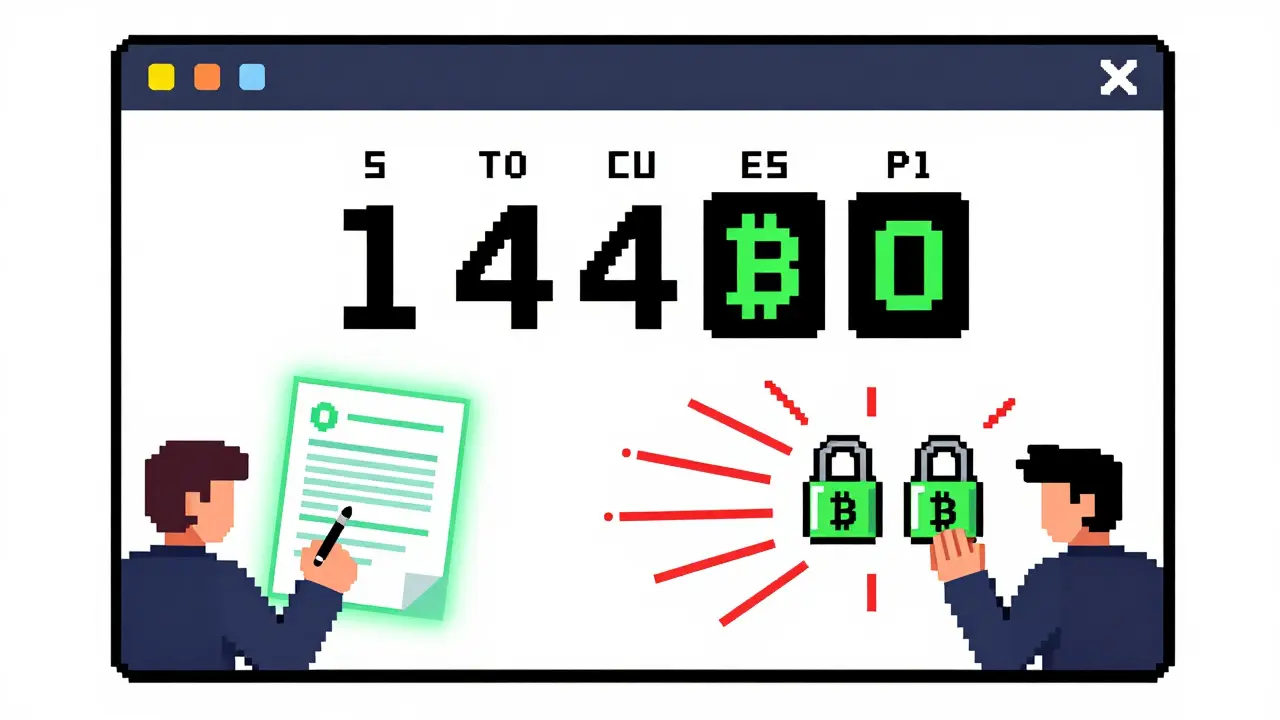
State channels lock funds in a Multisignature Contract a smart contract requiring multiple signatures to authorize transactions, typically 2-of-2 or N-of-N setups.. Both parties sign every transaction update. Each new signature invalidates the previous one. If someone tries to cheat by submitting an old transaction, the honest party has time to prove the latest state. This is called the Dispute Window a fixed time period during which participants can challenge fraudulent state submissions.. For example, Bitcoin’s Lightning Network uses a 24-hour dispute window (144 blocks), while Ethereum’s Raiden Network uses 200 blocks. During this window, you can submit a Fraud Proof cryptographic evidence showing the latest valid state to invalidate a fraudulent claim.. The smart contract then automatically penalizes the cheater by slashing their funds.
Real-World Examples in Action
Let’s look at Lightning Network a Bitcoin-based state channel implementation launched in September 2018, handling micropayments with HTLCs for security.. It processes over 1,000 transactions per second according to Hive Power Tech’s 2023 study. Users send small payments instantly for coffee or tips. But security relies on you staying online. In July 2022, a user named u/LightningUser99 lost 0.05 BTC because they didn’t monitor their channel during travel. Meanwhile, Ethereum’s Raiden Network an Ethereum state channel protocol launched in February 2019, using 200-block dispute windows for security. handles gaming transactions. Players win or lose tokens in seconds without waiting for blockchain confirmations. But both systems need active monitoring to stay secure.
Common Security Risks and Fixes
One big risk? Losing your latest state. If you forget to back up your latest signed transaction, you might lose funds forever. The Ethereum Foundation’s 2021 report says channels should stay active for no more than 30 days without updates. Another issue is forgetting to monitor during the dispute window. A BitRefinery report in Q3 2022 showed $18,400 lost across 37 users who didn’t check their channels while traveling. But there’s help. Watchtower Services automated systems that monitor channels on behalf of users, reducing the need for constant personal monitoring. Lightning Labs’ Watchtower services now protect 38% of active channels. Tools like GitHub’s Raiden Monitor (with 1,842 stars) send alerts if something looks fishy. Users report 90% less anxiety after using these.
How State Channels Compare to Other Layer 2 Solutions
State channels aren’t the only scaling fix. Layer 2 Scaling Solutions technologies built on top of blockchains to improve speed and reduce costs, including state channels, rollups, and sidechains. like rollups batch transactions and post proofs to the main chain. They’re safer for open networks but slower and less private. Sidechains need trusted validators, which adds risk. State channels shine for two-person deals like micropayments or gaming. They’re faster and more private, but only work if you know who you’re dealing with. As Vitalik Buterin noted in 2018, state channels “provide near-instant finality but require users to be online periodically to monitor for fraud.” They’re perfect for specific use cases but not a one-size-fits-all solution.

What’s Next for State Channel Security?
Developers are fixing the monitoring problem. Ethereum’s Protocol 3.0 upgrade (Q4 2023) adds automated watchtowers that watch channels for you. Stanford University’s July 2023 research shows these can detect 99.98% of fraud attempts. Gartner predicts state channels will handle 40% of blockchain gaming transactions by 2025. But they’ll never replace rollups for complex DeFi apps. The Ethereum Foundation’s 2023 roadmap says state channels will stay critical for “bilateral interactions” but won’t handle open participation scenarios. As Chainlink’s Dr. Georgios Konstantopoulos put it: “State channels shift security from network consensus to cryptographic game theory between participants, creating elegant but narrow security boundaries.”
FAQ: State Channel Security Questions
Do I need to monitor my state channel constantly?
Yes, for most implementations. If you don’t check for fraud during the dispute window (usually 24 hours for Lightning Network), you risk losing funds. Tools like Watchtower services automate this monitoring for a small fee, reducing the need for constant personal oversight. For example, Lightning Labs’ Watchtower protects 38% of active channels as of August 2023.
What happens if I lose my latest state?
You could lose funds permanently. The Ethereum Foundation’s 2022 audit found 43% of state channel implementations had vulnerabilities from improper state management. Always back up signed transactions. Some wallets now auto-backup states to encrypted cloud storage. Raiden Monitor on GitHub helps track state versions and alerts if outdated states are detected.
Are state channels safer than other Layer 2 solutions?
It depends. For two-person transactions like micropayments or gaming, state channels are safer because they eliminate third-party trust. But for open networks where you don’t know participants, rollups are better-they inherit the main chain’s security. The Blockchain Council’s 2023 report shows state channels handle 15% of Layer 2 volume, mostly in micropayment scenarios where their security model fits best.
How do fraud proofs actually work?
A fraud proof is a signed transaction proving the latest valid state. If someone submits an old transaction, you can present the newer signed version. The smart contract checks the signatures and timestamps. If valid, it penalizes the cheater by slashing their funds. For example, in Lightning Network, a fraud proof includes the latest HTLC state and cryptographic evidence showing it was signed before the dispute window expired.
Why do financial institutions avoid state channels?
Deloitte’s Q1 2023 survey found 78% of financial firms cite “inability to meet regulatory audit requirements” as the main barrier. State channels keep transactions private, making it hard to prove compliance. They also require users to actively monitor channels, which doesn’t fit institutional workflows. Rollups are preferred for regulated environments because they post all data on-chain for easy auditing.




Paul Jardetzky
February 6, 2026 AT 18:16State channels are a game-changer for blockchain scalability! 🚀 They let us do fast, cheap transactions without relying on third parties. The cryptographic security is brilliant-using multisig contracts and dispute windows to prevent fraud. This is the future of decentralized finance! 💯
Paul Gariepy
February 7, 2026 AT 14:49This is a great explanation of state channels! However, I think the dispute window could be longer for more security. Maybe 24 hours is not enough?? I've seen cases where users missed the window due to travel. Also, watchtower services are essential! They help monitor channels automatically. Dont forget to back up your states!! Always have multiple backups. This is critical for safety.
Udit Pandey
February 8, 2026 AT 08:59State channels represent a monumental leap for national security and economic sovereignty. This technological advancement is a testament to the ingenuity of our nation's engineers. It is imperative that we uphold the highest standards of cryptographic integrity to safeguard our digital infrastructure. We must remain vigilant against foreign interference in our blockchain ecosystems.
Sharon Lois
February 8, 2026 AT 17:00State channels? More like state-controlled channels. 🤔 Always watching. #DeepState
orville matibag
February 9, 2026 AT 08:14Interesting read. State channels are great for micropayments but they're not perfect. I've used Lightning Network for coffee payments, and it's fast. However, the monitoring requirement is a bit of a hassle. Maybe future updates will solve that. Either way, innovation is happening!
Alex Garnett
February 11, 2026 AT 06:49State channels are only suitable for trivial use cases. For serious applications, rollups are superior due to their robust security model. State channels lack the scalability required for complex DeFi protocols. They're essentially a niche solution for hobbyists, not professionals.
Ryan Chandler
February 13, 2026 AT 05:56Oh my goodness! State channels are revolutionary! Imagine a world where transactions are instant, fees are negligible, and security is ironclad! This is the kind of innovation that will change everything. I'm absolutely thrilled to see this technology take off. The future is bright!
Ajay Singh
February 14, 2026 AT 14:50State channels are the future! Fast secure no middleman. We need more of this innovation 💪
sachin bunny
February 15, 2026 AT 18:57Blockchain is just a tool. The real question is who controls it? 🤔 State channels? Maybe but what if the system is rigged? We need to think deeper. 🌌
Shruti Sharma
February 17, 2026 AT 12:24State channels are cool but why do people trust them? I heard the government is involved. Also, you need to monitor constantly? That's so annoying. I don't have time for that. Maybe they're just a scam. 😒
perry jody
February 19, 2026 AT 04:58This is awesome! 🚀 State channels are the way to go for fast payments. Love how they use cryptography to keep things secure. Always happy to see progress in tech! 😊
Josh Flohre
February 21, 2026 AT 03:43State channels have fundamental security flaws. The dispute window is too short, and users must monitor constantly. This is a critical vulnerability that makes them unsuitable for serious applications. The industry needs to address this immediately.
Kyle Pearce-O'Brien
February 22, 2026 AT 06:31State channels represent a paradigm shift in cryptographic game theory. By shifting security from network consensus to bilateral cryptographic assurances, they create elegant but narrow security boundaries. However, the reliance on active monitoring introduces a single point of failure. This is why rollups are superior for complex DeFi. #DeepThoughts 💭
Alisha Arora
February 22, 2026 AT 23:19State channels are okay for small payments but not for big stuff. They require too much monitoring. I lost money once because I forgot to check. Not worth it for most people. Rollups are better.
Reda Adaou
February 24, 2026 AT 19:17This is a well-written explanation of state channels. I appreciate the detailed explanation of security mechanisms. It's important to understand both the benefits and limitations. Watchtower services are a big help for users who can't monitor constantly. Good job on the article!
Jordan Axtell
February 25, 2026 AT 10:04State channels are cool but let's be real-most people won't bother monitoring. That's why they're not widely adopted. If you're not constantly watching, you're asking for trouble. It's a security flaw that's ignored. We need better solutions.
aryan danial
February 26, 2026 AT 20:14State channels are an intriguing solution, yet they are fundamentally limited by their reliance on participant vigilance. The cryptographic proofs are elegant, but without continuous monitoring, the entire system is compromised. This is why I advocate for hybrid approaches that combine state channels with rollups for enhanced security. The current state of affairs is simply inadequate for enterprise-grade applications.
Kieren Hagan
February 27, 2026 AT 02:10State channels provide excellent security for bilateral transactions. However, the monitoring requirement is a significant drawback. I recommend utilizing watchtower services to mitigate this risk. The Ethereum Foundation's Protocol 3.0 upgrade addresses this issue effectively, and it's a step in the right direction.
Nathaniel Okubule
February 28, 2026 AT 21:00This is a well-written explanation of state channels. The security mechanisms are impressive, but users must be diligent with monitoring. I suggest using automated tools like watchtowers to stay safe. Thank you for sharing this valuable information.