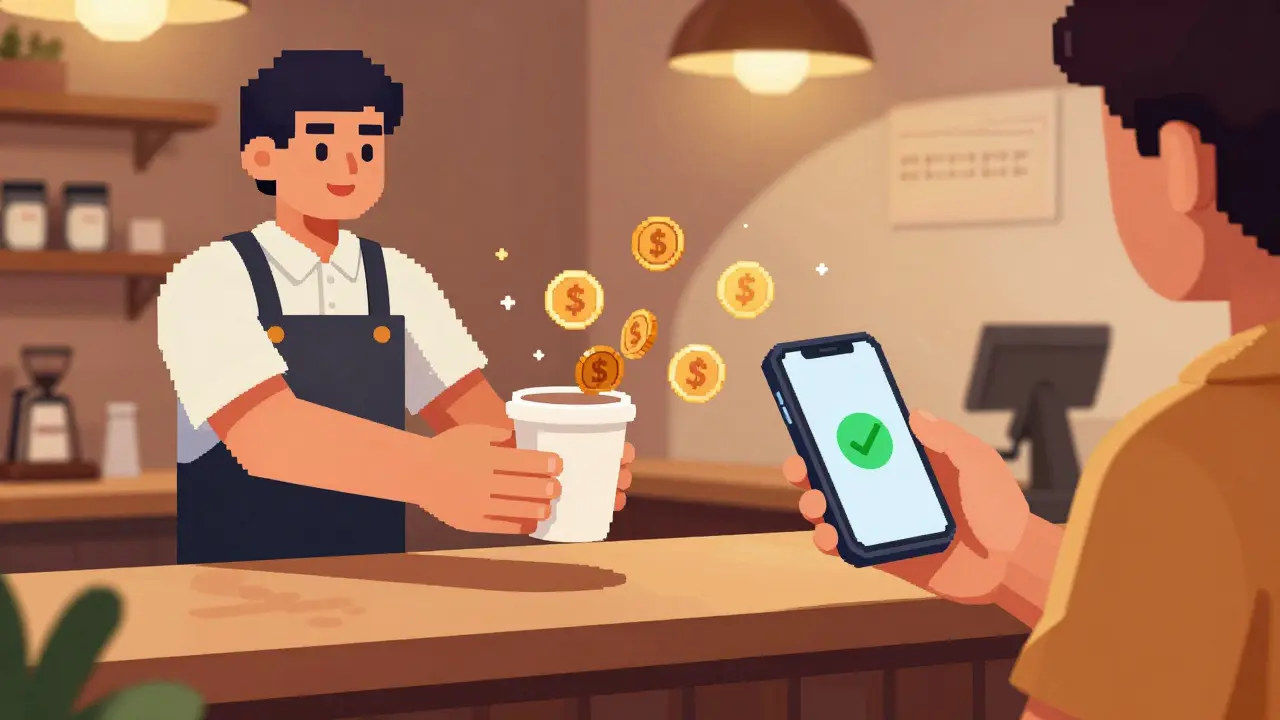

Imagine filing an insurance claim and getting paid within two hours. No phone calls to a call center. No waiting weeks for an adjuster to visit your property. No paperwork pile-up on your kitchen table. This isn't science fiction-it's what smart contracts are doing right now in the insurance industry. If you've ever felt frustrated by the slow, opaque nature of traditional claims processing, you're not alone. The system is broken, bogged down by intermediaries and manual checks that take forever. But there's a fix brewing in the code.
What Exactly Are Smart Contracts?
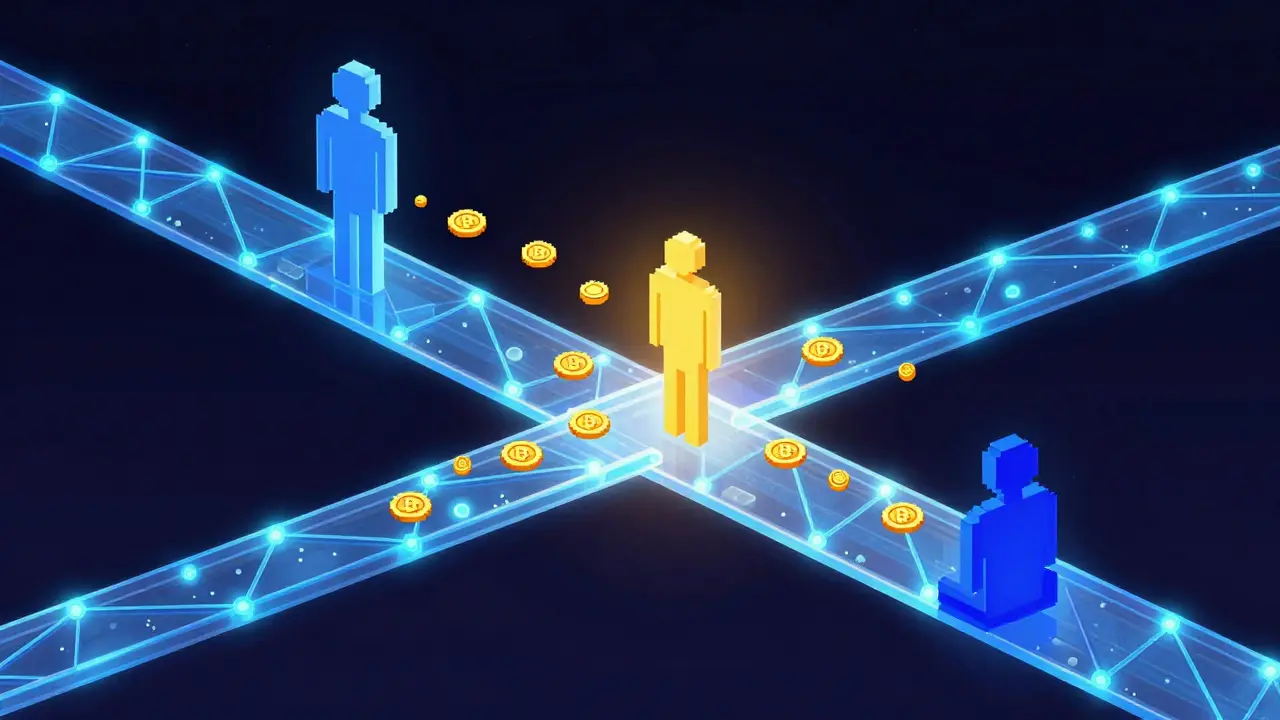
At their core, smart contracts are self-executing agreements where the terms of the contract between buyer and seller are directly written into lines of code. They live on a blockchain, which means they run automatically when specific conditions are met. Think of it like a vending machine: you put in money (the trigger), select your item (the condition), and the machine gives you the product (the payout). No human needs to approve the transaction if the rules are clear.
In insurance, this translates to policies encoded as digital logic. When an event happens-say, a flight is delayed by more than two hours or wind speeds hit a certain threshold-the smart contract verifies the data against external sources and releases the payment instantly. It removes the need for trust in a third party because the code itself enforces the agreement.
The Traditional Claims Nightmare vs. Automated Reality
Let's look at why we even need this change. Traditional claims processing is a multi-step marathon. You file a claim. An insurer receives it. A human reviews the policy. An adjuster might inspect the damage. Fraud checks happen. Approval gets signed off. Finally, payment is issued. This process can take weeks, sometimes months, even for straightforward cases.
Smart contracts flip this script. By automating verification and disbursement, they slash processing times dramatically. According to reports from Norton Rose Fulbright, automated systems linked to smart contract technologies mean policyholders get paid much faster compared to today's manual processes. For insurers, it cuts administrative costs significantly. There's less room for human error, and fewer staff hours spent chasing paperwork.
| Feature | Traditional Process | Smart Contract Automation |
|---|---|---|
| Processing Time | Weeks to Months | Minutes to Hours |
| Intermediaries | High (Adjusters, Agents, Admin) | Low (Code & Data Oracles) |
| Transparency | Opaque to Policyholder | Immutable Ledger History |
| Fraud Risk | Manual Detection Required | Automated Verification via Data Feeds |
| Cost Structure | High Administrative Overhead | Reduced Operational Costs |
Where Smart Contracts Shine: Parametric Insurance
Not every insurance type is ready for full automation yet. Life insurance, for instance, often requires complex medical verification that is hard to automate completely without massive privacy hurdles. However, parametric insurance is the perfect fit. Parametric policies pay out based on measurable events rather than actual loss assessment. If the earthquake magnitude hits 7.0 in a specific zone, you get paid. You don't need to prove your house cracked; the data does it for you.
This model works brilliantly for weather-related risks, flight delays, and crop failures. Guidewire notes that several insurers have already piloted these solutions. One real-world example involves cat bonds (catastrophe bonds) where payouts are triggered by physical parameters like wind speed or hurricane location. A leading global insurer recently trialed such a transaction, proving that the tech works outside the lab.

The Role of Oracles: Connecting Code to Reality
Here’s the catch: smart contracts can’t see the outside world on their own. They need trusted data feeds called "oracles." If a smart contract pays out for rain, it needs a reliable source to say, "Yes, it rained 5 inches in Bristol yesterday." If the oracle is wrong, the contract executes incorrectly.
This dependency is the biggest technical challenge. Harvard Law School analysis highlights that while the execution is automatic, the input data must be accurate. Insurers are partnering with specialized data providers to ensure these feeds are tamper-proof and real-time. Without high-quality oracles, you risk paying out for events that didn't happen or denying valid claims due to data lag.
Fraud Reduction and Transparency
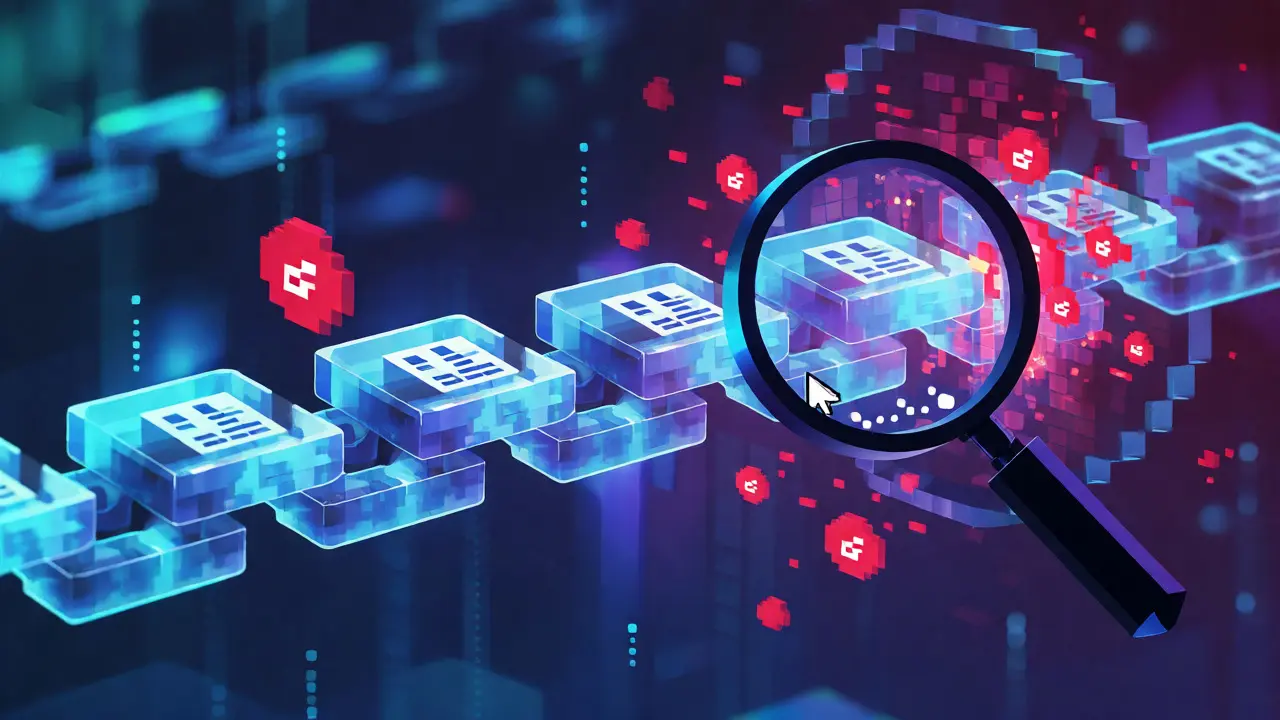
Fraud costs the insurance industry billions annually. Traditional methods rely on humans spotting suspicious patterns, which is slow and inconsistent. Blockchain creates a permanent, transparent history of every event. Once a claim is recorded, it cannot be altered. This immutability makes it incredibly difficult to submit duplicate claims or fake documents after the fact.
Moreover, because the code executes only when predefined conditions are met, subjective bias is removed. Either the data says the condition was met, or it wasn't. There's no arguing with an adjuster about whether the damage was "significant enough." The parameters were set upfront, and the code follows them strictly.
Implementation Challenges for Insurers
If this sounds too good to be true, remember that implementation is messy. Most insurance companies run on legacy IT systems built decades ago. Integrating modern blockchain infrastructure with old mainframes isn't easy. It requires skilled developers who understand both Solidity (the language for Ethereum smart contracts) and actuarial science.
There's also the legal gray area. While the code executes, the legal enforceability of a smart contract in court can still vary by jurisdiction. Many experts suggest a hybrid approach: a traditional text-based contract defines the broad terms and liability, while the smart contract handles the routine execution. This ensures that if the code bugs out, there's a legal framework to fall back on.
What This Means for You
For policyholders, the shift toward automated claims means better service. Faster payouts improve cash flow during emergencies. Reduced administrative costs could eventually lead to lower premiums, though that pass-through depends on competition among insurers. For agents, it means spending less time on paperwork and more time advising clients. As one Reddit user noted after filing a parametric weather claim, the experience was seamless: "No paperwork at all. Paid out within 2 hours."
We are still in the early adoption phase. Banking has led the way in smart contract integration, but insurance is catching up fast. The technology isn't just a buzzword anymore; pilots are turning into products. If you're buying insurance soon, keep an eye out for parametric options. They offer a glimpse into a future where claims aren't a headache, but a non-event.
Do smart contracts replace human insurance agents entirely?
No, they do not. Smart contracts handle the mechanical aspects of claims processing, such as verification and payment execution. Human agents remain crucial for selling policies, explaining complex coverage options, and handling disputes or unique situations that fall outside predefined parameters.
What happens if the data feed (oracle) provides incorrect information?
If an oracle sends bad data, the smart contract will execute based on that false premise. To mitigate this, insurers use multiple independent data sources and decentralized oracle networks. Additionally, many implementations include a review period or a fallback mechanism where significant anomalies can trigger a manual override before final settlement.
Are smart contracts legally binding?
The legal status varies by jurisdiction. In many places, code is recognized as evidence of intent, but it may not fully replace a traditional written contract. Most current insurance implementations use a hybrid model where a standard legal agreement backs the smart contract, ensuring clarity on liability and interpretation issues.
Which types of insurance benefit most from smart contracts?
Parametric insurance benefits the most. This includes travel delay insurance, crop insurance, and catastrophe bonds. These products rely on objective, measurable data points (like rainfall amounts or flight departure times) rather than subjective assessments of damage, making them ideal for automation.
Will smart contracts lower my insurance premium?
Potentially, yes. By reducing administrative overhead and fraud losses, insurers save money. In a competitive market, these savings can be passed on to customers in the form of lower premiums. However, initial development costs for the technology might offset these gains in the short term.