Imagine finding a cryptocurrency exchange that charges absolutely zero fees. No maker fees. No taker fees. Just pure profit retention for every trade you execute. It sounds like the holy grail for high-frequency traders and cost-conscious investors alike. This is exactly the promise NexDAX, an online platform launched in 2019, has made to its users. But here is the catch: in the world of finance, if something looks too good to be true, it usually is. When you dig into the operational history, regulatory status, and user sentiment surrounding this platform, a much more complex-and potentially risky-picture emerges.
You might have heard of NDAX, the well-known Canadian regulated exchange. Do not confuse the two. While they share similar names, they are entirely different entities with vastly different risk profiles. NexDAX operates without oversight from any major government financial authority. This distinction is critical because it changes everything about how your funds are protected-or unprotected.
The Allure of the Zero-Fee Model
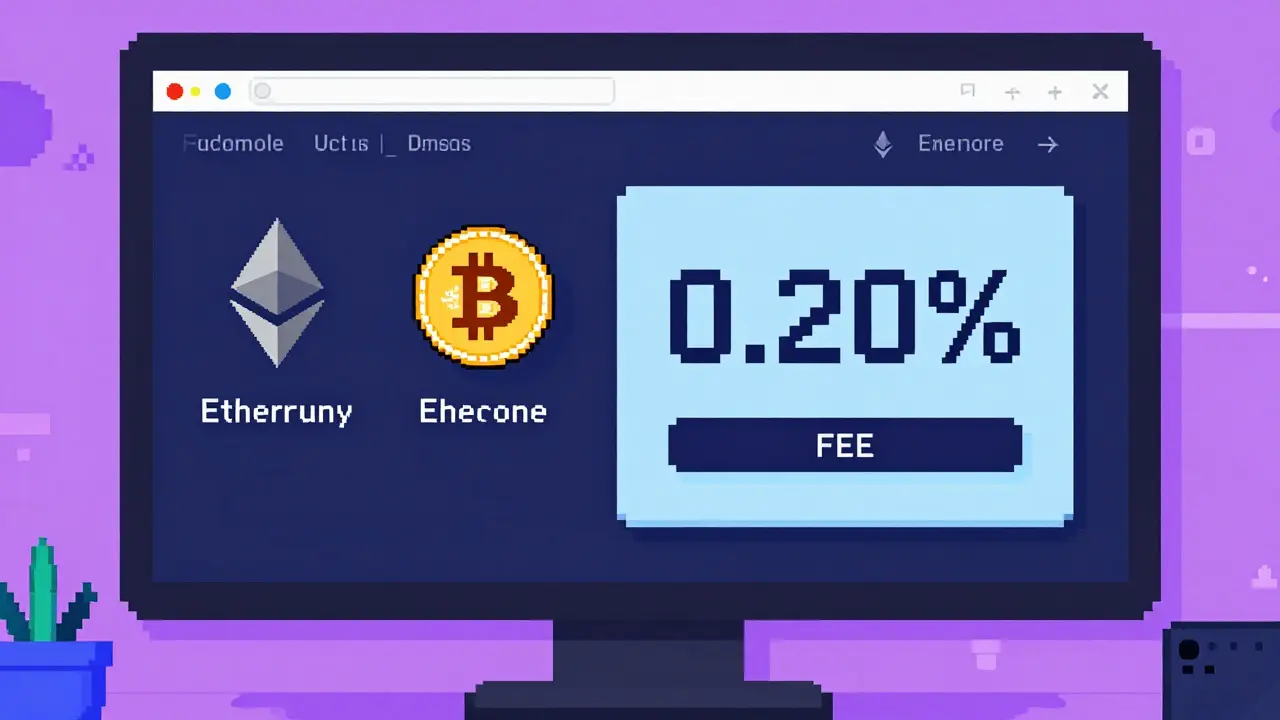
Let’s start with the feature that likely drew you here: the fee structure. Most established exchanges like Binance, Coinbase, or Kraken charge between 0.1% and 0.5% per transaction. If you are trading significant volumes, those percentages add up quickly. NexDAX advertises a flat 0.00% fee for both makers (those who provide liquidity by placing limit orders) and takers (those who remove liquidity by placing market orders). On paper, this is unbeatable.
However, you need to ask yourself: how does the platform sustain itself? Exchanges incur massive costs for server maintenance, security audits, customer support, and compliance. If they aren’t charging you directly via trading fees, where does the revenue come from? Often, unregulated platforms offset these costs through wider spreads (the difference between the buy and sell price), hidden withdrawal fees, or by leveraging user deposits. Without transparent financial reporting or regulatory auditing, you cannot verify if the zero-fee model is sustainable or if it is a bait-and-switch tactic designed to attract volume before changing terms.
Regulatory Status and Safety Concerns
This is where things get serious. As of 2026, NexDAX remains an unregulated entity. It does not hold licenses from bodies like the UK’s Financial Conduct Authority (FCA), the US Securities and Exchange Commission (SEC), or Canada’s provincial securities commissions. Why does this matter to you?
- No Recourse: If the platform disappears, freezes withdrawals, or suffers a hack, you have no government body to complain to. Your money is gone.
- No Insurance: Major exchanges often carry insurance policies for digital assets held in cold storage. Unregulated platforms rarely disclose such protections.
- Compliance Gaps: Regulated exchanges must perform Know Your Customer (KYC) and Anti-Money Laundering (AML) checks. While some prefer anonymity, the lack of these checks can also mean the platform is open to illicit activities, which increases the risk of sudden shutdowns by international authorities.
In an industry that has seen high-profile collapses of once-trusted giants, operating outside the regulatory framework is a massive red flag. You are essentially trusting a private company with your life savings based solely on their word.
User Engagement and Reputation Metrics
Data tells a story that marketing materials often hide. Let’s look at the traffic and engagement metrics for NexDAX. According to data from FxVerify, the platform receives between 2,345 and 9,024 organic monthly visits. In the context of global cryptocurrency trading, this is negligible. For comparison, top-tier exchanges handle millions of daily active users.
More concerning is the user behavior on the site. The average visit duration ranges from a mere 2.7 seconds to under five minutes. A bounce rate of 39-44% suggests that many visitors leave immediately after landing on the page. What could cause someone to leave so quickly? Perhaps poor website usability, confusing interfaces, or immediate skepticism upon realizing the lack of social proof.
Perhaps the most telling metric is the rating. NexDAX holds a 0.0 out of 5 stars rating on FxVerify with zero user reviews. In the digital age, silence is loud. Established platforms have thousands of reviews, ranging from positive to negative. A complete absence of feedback indicates either extreme obscurity or a reluctance among users to associate their identities with the platform due to past negative experiences.
| Feature | NexDAX | Major Exchanges (e.g., Coinbase, Kraken) |
|---|---|---|
| Trading Fees | 0.00% | 0.1% - 0.5% |
| Regulatory Oversight | None | FCA, SEC, FINTRAC, etc. |
| User Reviews | 0 (No data) | Thousands across platforms |
| Liquidity Depth | Low (Estimated) | High (Billions in volume) |
| Asset Protection | Unclear | Insurance/Cold Storage Audits |
Token Management and Operational Volatility
An exchange needs stability to function effectively. However, NexDAX has shown signs of operational volatility throughout 2025. The platform frequently lists and delists tokens, which can disrupt trading strategies.
For instance, in March 2025, NexDAX announced the delisting of AERGO and LINA tokens. Withdrawal support ended shortly after, leaving users with a tight window to move their assets. Later in September 2025, they listed Trovantis USD (TROVANTIS) and completed a swap for the GODEN token. While token curation is normal, the frequency and abruptness of these changes on a small platform suggest a lack of long-term partnership with projects. If you hold a coin that gets delisted without warning, you may find yourself unable to trade or withdraw your funds easily.
The native token, NT, also paints a picture of low market confidence. Trading at approximately $0.0046 in late 2025, the token showed low volatility but struggled to maintain momentum above key moving averages. With a Fear & Greed Index reading of 44 (Fear), the sentiment around the token was cautious at best. Investing in an exchange’s native token adds another layer of risk, as its value is tied directly to the platform’s success-a success that appears limited given the traffic data.
Liquidity and Slippage Risks
Even if fees are zero, you still pay for slippage. Liquidity refers to how easily an asset can be bought or sold without affecting its price. On major exchanges, deep order books mean you can sell large amounts of Bitcoin with minimal price impact. On smaller, unregulated platforms like NexDAX, liquidity is often shallow.
If you try to execute a large trade on NexDAX, you might find there are not enough buyers at your desired price. This forces you to sell at a lower price than expected, effectively eating into your profits. This "hidden cost" can far exceed the 0.1% fee you would pay on a regulated exchange. Always check the order book depth before committing funds. If the spread between the highest bid and lowest ask is wide, stay away.

Who Should Avoid NexDAX?
Given the risks outlined, NexDAX is not suitable for:
- Beginners: New users need hand-holding, robust customer support, and regulatory safety nets. NexDAX offers none of these.
- Large Investors: Moving significant capital to an unverified platform exposes you to catastrophic loss risks.
- Long-Term Holders: The frequent delistings and lack of clear custody solutions make it a poor place to store assets long-term.
Is there anyone for whom NexDAX makes sense? Perhaps extremely experienced arbitrage traders who understand the risks, use small amounts of disposable capital, and are willing to monitor the platform’s announcements minute-by-minute to avoid delisting traps. Even then, the opportunity cost of using a safer, slightly more expensive exchange is often worth the peace of mind.
Better Alternatives for Cost-Conscious Traders
If your primary goal is to reduce trading costs, you do not need to sacrifice safety. Many regulated exchanges offer competitive fee structures, especially if you hold their native tokens or achieve higher trading volumes.
For example, Binance and Bybit offer tiered fee discounts that can bring costs down to 0.1% or lower. Kraken and Coinbase Pro (now Advanced Trade) provide transparent fee schedules and strong regulatory compliance in Western jurisdictions. These platforms invest heavily in security, offering features like two-factor authentication (2FA), withdrawal whitelists, and multi-signature wallets. The slight increase in fees is essentially an insurance premium for your capital.
Final Thoughts on Risk Management
Cryptocurrency trading is inherently risky due to market volatility. Adding platform risk on top of market risk is a strategy that rarely ends well. NexDAX’s zero-fee model is a compelling hook, but it lacks the foundation of trust, regulation, and liquidity required for serious trading. The data shows low engagement, no user reviews, and a history of rapid token changes. These are not signs of a thriving ecosystem; they are warning lights on a dashboard.
Before depositing even a single dollar, consider whether saving 0.1% on fees is worth the potential loss of 100% of your principal. In my experience, the best exchanges are not the cheapest; they are the ones that let you sleep at night knowing your funds are secure and accessible. Stick to regulated, reputable platforms with proven track records. Your portfolio will thank you.
Is NexDAX a legitimate exchange?
While NexDAX operates as a functional website and processes trades, its legitimacy is questionable due to its lack of regulatory oversight, zero user reviews, and low traffic volume. It is not licensed by major financial authorities, which means it does not meet the standard definitions of a "legitimate" financial institution in most jurisdictions.
Why are there no fees on NexDAX?
NexDAX advertises 0.00% maker and taker fees. However, the sustainability of this model is unclear. Unregulated exchanges often compensate for low fees through wider bid-ask spreads, hidden withdrawal charges, or by leveraging user deposits. Without regulatory audits, there is no guarantee these fees won't change abruptly.
What is the difference between NexDAX and NDAX?
They are completely different companies. NDAX is a regulated Canadian cryptocurrency exchange with strict compliance measures. NexDAX is an unregulated platform founded in 2019. Do not confuse the two, as their safety profiles and legal standings are vastly different.
Can I recover my funds if NexDAX shuts down?
Likely not. Because NexDAX is unregulated, you do not have access to government-backed investor protection schemes or insurance funds. If the platform ceases operations or is hacked, recovering your assets would depend entirely on the company's willingness to cooperate, which is uncertain in such scenarios.
How safe is the NexDAX native token (NT)?
The NT token carries high risk. It trades at a very low price with low liquidity and volatile sentiment. Its value is tied to the success of an exchange with minimal user adoption and no regulatory backing. Investing in NT should be considered highly speculative and potentially hazardous.