Have you ever heard of CantoSwap, a decentralized exchange on the Canto blockchain? If you are new to crypto, you might be confused. It is not a centralized exchange like Binance or Coinbase where you log in with an email. Instead, it is a protocol that lives directly on the blockchain. This means you connect your wallet, and you trade peer-to-peer without a middleman holding your funds.
In this review, we will break down what CantoSwap actually is, how it works, and whether it is safe for your money. We will look at fees, security, and the unique features of the Canto ecosystem. By the end, you will know if this platform fits your trading strategy or if you should stick to more established networks like Ethereum or Solana.
What Exactly Is CantoSwap?
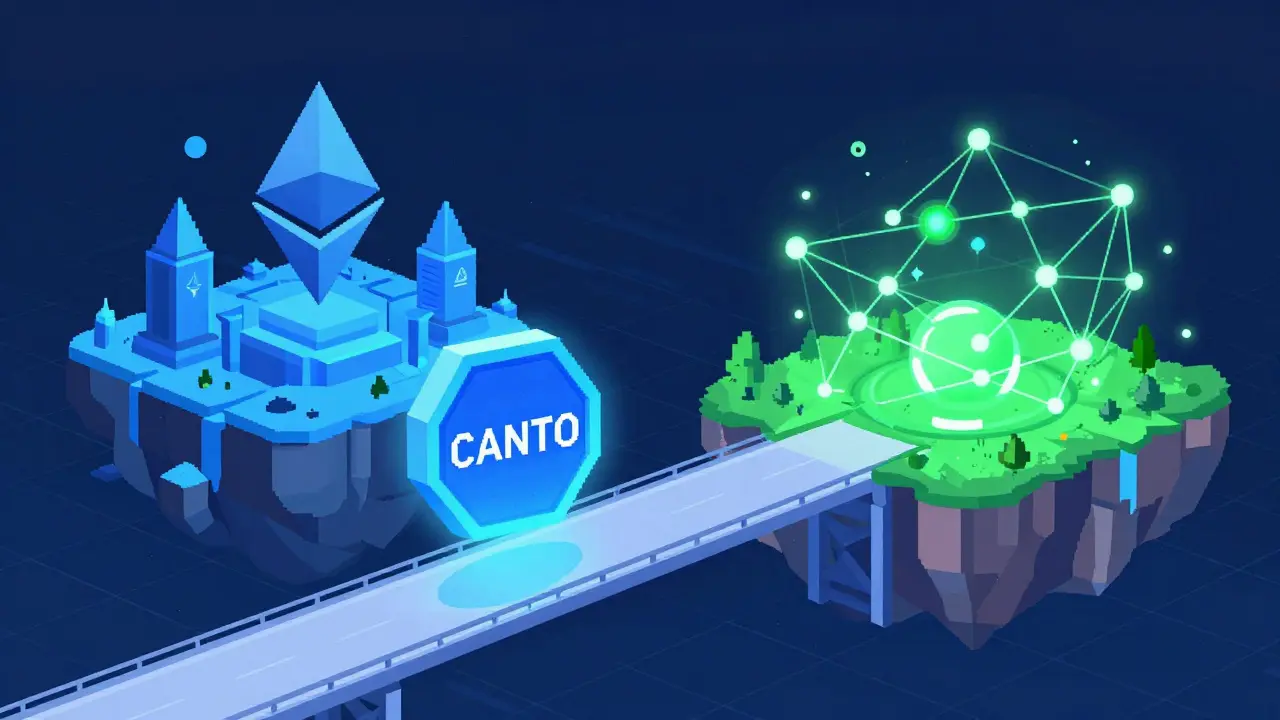
To understand CantoSwap, you first need to understand the network it runs on. The Canto blockchain is a Layer-1 blockchain built on Cosmos SDK with EVM compatibility. This technical jargon simply means two things. First, it is fast and secure because it uses the proven Cosmos technology. Second, it is compatible with Ethereum Virtual Machine (EVM). This allows developers who build apps on Ethereum to easily move their projects to Canto without rewriting all their code.
CantoSwap is the primary Automated Market Maker (AMM) on this network. Think of it as the local grocery store for the Canto ecosystem. When you want to swap tokens, you do not wait for another person to buy from you. You trade against a liquidity pool-a giant pot of money provided by other users. In return for providing liquidity, those users earn a share of the trading fees. You, as a trader, pay a small fee to make the instant swap happen.
The main token you will interact with here is CANTO, the native utility token of the Canto blockchain used for gas fees and governance. Just as you need ETH to use Ethereum, you need CANTO to pay for transaction fees on this network. Because Canto is an L1 chain, these fees are typically much lower than on Ethereum mainnet, making it attractive for smaller trades.
How Does Trading Work on CantoSwap?
Using CantoSwap is different from using a traditional exchange. Here is the step-by-step process:
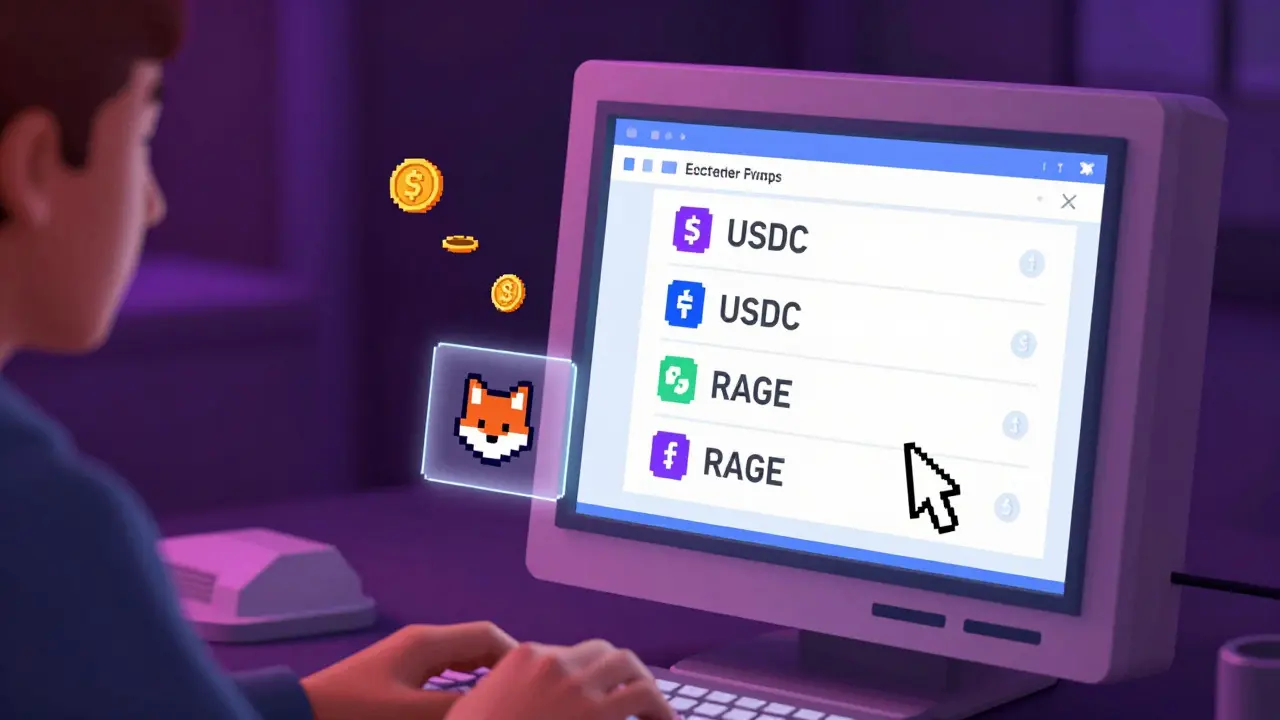
- Connect Your Wallet: You cannot create an account with an email. You must use a Web3 wallet. MetaMask is the most popular browser extension wallet for interacting with Ethereum-compatible chains is the standard choice. You will need to add the Canto network to MetaMask manually.
- Fund Your Wallet: You need to have some CANTO tokens in your wallet to pay for gas fees. You can buy CANTO on a major exchange like Binance or Kraken and send it to your MetaMask address.
- Select Token Pairs: Go to the CantoSwap interface. Select the token you want to sell (e.g., USDC) and the token you want to buy (e.g., RAGE or another asset on Canto).
- Approve and Swap: Click swap. You may need to approve the token spending first. Then confirm the transaction in your wallet. Within seconds, the new tokens appear in your wallet.
This process is non-custodial. This is a huge plus for security. No company holds your private keys. If the CantoSwap website goes offline, your funds are still safe in your wallet. However, it also means there is no customer support to call if you make a mistake. If you send funds to the wrong address, they are gone forever.
Security and Safety: Is Your Money Safe?
Security is the biggest concern for any DeFi user. Let us look at the risks involved with CantoSwap.
First, consider the smart contract risk. CantoSwap relies on code to execute trades. If there is a bug in that code, hackers could exploit it. Most reputable DEXs undergo audits by firms like CertiK or Hacken. You should check if CantoSwap has published recent audit reports. Without an audit, you are gambling on the competence of the developers.
Second, there is the risk of rug pulls. Since anyone can create a token on Canto, you might see strange tokens listed on CantoSwap. These could be scams designed to steal your liquidity. Always verify the token contract address before swapping. Stick to well-known pairs involving CANTO, USDC, or USDT unless you are doing deep research.
Third, remember that tax agencies can track these transactions. As noted in regulatory discussions, blockchain activity is transparent. Every swap you make on CantoSwap is recorded on the public ledger. Tools like Koinly or CoinTracker can import this data to help you calculate capital gains. Do not assume anonymity protects you from tax reporting requirements.
Fees and Costs: What Will It Cost You?
One of the main selling points of CantoSwap is cost efficiency. On Ethereum, a simple swap can cost $5 to $20 in gas fees during busy times. On Canto, fees are significantly lower. Typically, you might pay less than $0.01 per transaction. This makes it viable for micro-trades and frequent rebalancing.
However, there are hidden costs to watch out for:
- Trading Fees: Like Uniswap, CantoSwap charges a percentage fee on each swap. This is usually around 0.3%. This fee goes to the liquidity providers, not to a central company.
- Slippage: If you are trading a large amount or a low-liquidity token, the price might change while your transaction is processing. This is called slippage. You might end up getting fewer tokens than expected. Set a maximum slippage tolerance in your settings to protect yourself.
- Bridge Fees: To get assets onto Canto, you often need to bridge them from Ethereum or BSC. Bridges charge fees and take time. Factor this into your total cost.
CantoSwap vs. Other Decentralized Exchanges
Why choose CantoSwap over Uniswap on Ethereum or Raydium on Solana? Here is a quick comparison.
| Feature | CantoSwap | Uniswap (Ethereum) | Raydium (Solana) |
|---|---|---|---|
| Network | Canto (Cosmos/EVM) | Ethereum | Solana |
| Avg Gas Fee | Very Low (<$0.01) | High ($5-$20+) | Low (<$0.01) |
| Liquidity Depth | Moderate | Highest | High |
| User Base | Niche/Growing | Mainstream | Growing |
| Best For | Low-cost EVM trading | Large institutional trades | High-speed speculative trading |
CantoSwap shines if you want the familiarity of Ethereum tools (like MetaMask) but with Solana-like low fees. It is ideal for traders who find Ethereum too expensive but do not want to learn the completely different wallet systems required for Solana or Polkadot.
Pros and Cons Summary
Before you dive in, let us summarize the key advantages and disadvantages.
Pros:
- Low Fees: Transaction costs are negligible compared to Ethereum.
- EVM Compatibility: Easy to set up if you already use MetaMask.
- Non-Custodial: You retain full control of your assets.
- Fast Transactions: Finality is quick due to the Cosmos Tendermint consensus mechanism.
Cons:
- Limited Liquidity: Not as deep as Uniswap, which can lead to higher slippage on large orders.
- Smaller Ecosystem: Fewer tokens and dApps available compared to Ethereum or BSC.
- No Customer Support: If something goes wrong, you are on your own.
- Bridging Complexity: Moving assets in and out requires using bridges, which adds steps and risk.
Final Verdict: Who Should Use CantoSwap?
CantoSwap is not for everyone. If you are a beginner who wants to buy Bitcoin or Ethereum with a credit card, go to a centralized exchange like Coinbase or Kraken. They offer insurance, customer support, and easy fiat on-ramps.
CantoSwap is for intermediate to advanced crypto users. It is perfect for you if:
- You already hold CANTO tokens and want to swap them efficiently.
- You are exploring DeFi opportunities on newer, high-potential chains.
- You are tired of paying high gas fees on Ethereum for small trades.
- You understand the risks of smart contracts and self-custody.
If you fit this profile, CantoSwap offers a smooth, cheap, and efficient trading experience. Just remember to start small, verify every contract address, and never invest more than you can afford to lose. The world of DeFi is rewarding but unforgiving.
Is CantoSwap safe to use?
CantoSwap is non-custodial, meaning you control your funds via your wallet, which reduces the risk of exchange hacks. However, smart contract risks exist. Always ensure you are using the official URL and check for recent security audits. Never share your private keys.
How do I get CANTO tokens?
You can buy CANTO on major centralized exchanges like Binance, KuCoin, or Gate.io. Once purchased, withdraw the tokens to your personal wallet address (e.g., MetaMask) that supports the Canto network.
What wallets work with CantoSwap?
Since Canto is EVM-compatible, most Ethereum wallets work. MetaMask is the most common. You may also use Trust Wallet or Rabby Wallet. Ensure you have added the Canto network RPC details to your wallet settings.
Are there high fees on CantoSwap?
No. Gas fees on the Canto network are extremely low, often fractions of a cent. Trading fees are typically 0.3% per swap, which is standard for decentralized exchanges.
Do I need to pay taxes on CantoSwap trades?
Yes. In most jurisdictions, swapping one cryptocurrency for another is a taxable event. Keep records of your entry and exit prices. Blockchain explorers make these transactions public and traceable.