
The Reality Behind the Hype
When you see headlines flashing about a Binopoly is a cryptocurrency project operating under the BINO ticker symbol, though market visibility has remained inconsistent airdrop, your first instinct is likely excitement. Who wouldn't want free tokens in their wallet? But stepping back to look at the data landscape as of March 2026 reveals a different picture. While the concept sounds promising, the available documentation regarding a specific Binopoly distribution is frustratingly sparse. You might be reading about promotions on platforms like Bitget, yet official whitepapers or clear roadmaps often seem missing from public searches.
This isn't just about one token; it's about navigating a market filled with similarly named projects and potential confusion. For instance, there is a distinct overlap where people mix up BinoFi is a separate entity sharing the same BINO ticker, focusing on hybrid exchange models with Binopoly. Both use the same three-letter acronym, which creates significant noise. If you are here trying to secure a claim, distinguishing these two is the single most important step before you click any links.
Understanding Current Market Visibility
Looking at major exchange data feeds, the activity levels for BINO appear quiet. Some trading interfaces show placeholder values like "--" for price and market cap. In the world of digital assets, this usually signals one of two things: either the liquidity has dried up completely, or the data feed hasn't been updated by the platform. It doesn't necessarily mean the project is dead, but it does mean it lacks the massive spotlight seen by tokens launching major distributions.
If there is an active airdrop initiative tied to this asset, it is likely functioning through specific partner channels rather than a global public broadcast. Reports suggest that users have received rewards through challenges on specific exchanges. These aren't always broad announcements sent to everyone's email inbox. Instead, they are targeted campaigns where you need to perform tasks-like trading volume requirements or staking specific amounts-to qualify. Without understanding this distinction, you could easily overlook the window of opportunity.
Navigating Confusion Between Similar Projects
A critical hurdle right now is the naming collision. Because BinoFi also uses the ticker BINO, many search results bleed together. One project focuses on a presale phase with specific listing targets, while the other operates with less public marketing noise. When you are researching eligibility for an airdrop, you must ensure you are looking at the correct contract address.
| Feature | Binopoly (Common Search) | BinoFi (Alternative Project) |
|---|---|---|
| Primary Ticker | BINO | BINO |
| Platform Presence | Limited CEX listing | Presale focused |
| Airdrop Mechanism | Exchange Challenges | Presale Rewards |
| Data Visibility | Inconsistent Price Feeds | Active Presale Metrics |
This distinction matters immensely for safety. If you deposit funds into the wrong smart contract thinking it belongs to a project you researched, those funds could vanish. Always cross-reference the official Telegram channel or verified Twitter handle associated with the specific project URL.
How to Access Potential Rewards Safely
For those who still wish to pursue this opportunity despite the limited public data, the safest route involves utilizing established exchange ecosystems. Platforms like Bitget occasionally list promotional tiers for lesser-known assets. Here is the logical flow you should follow to avoid scams:
- Verify the Platform: Log in directly to the website, never via a link in an email or social media message.
- Check Challenge Criteria: Look specifically at the 'Rewards' or 'Challenges' tab within the exchange dashboard. See if BINO is listed under current active quests.
- Review Snapshot Dates: If a program exists, there must be a cutoff date for qualifying transactions. Without this date, participation is essentially gambling.
- Secure Your Wallet: Connect only non-custodial wallets like MetaMask or Trust Wallet to decentralized tools. Never share your seed phrase during any claim process.
- Monitor Contract Addresses: Paste the official BINO contract address into a block explorer. If transaction history looks zero or suspicious, pause your investment strategy.
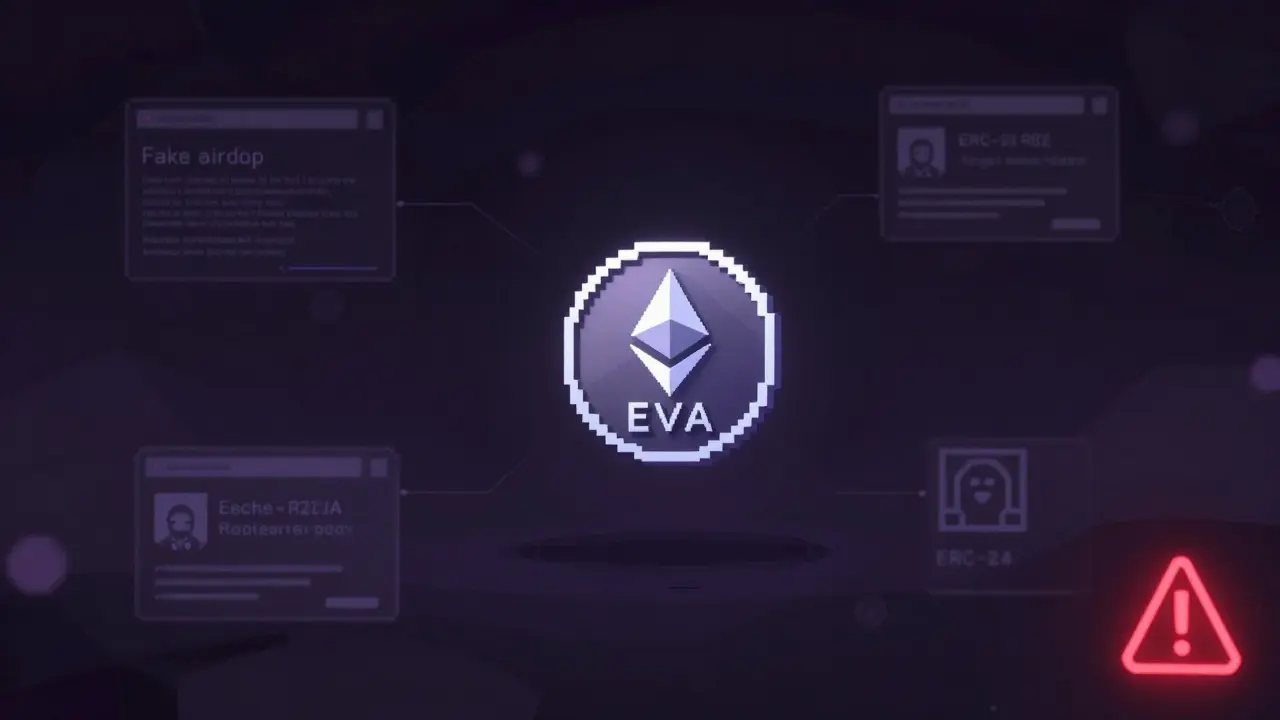
Remember that legitimate Airdrops are distributions of free cryptocurrency tokens to reward early adopters or test networks require work or verification. If something promises tokens just for filling out a form without any prior interaction, skepticism should be your primary tool. Scammers mimic popular project names hoping to catch people rushing to claim 'free' money.
Decentralized Exchange Requirements
One specific constraint mentioned in recent market guidance relates to centralized availability. Some analysis suggests that buying or accessing this token might require using Web3 functionality because standard centralized listings are absent or restricted. This shifts the responsibility onto you, the user. You cannot simply click 'Buy' on a traditional app interface.
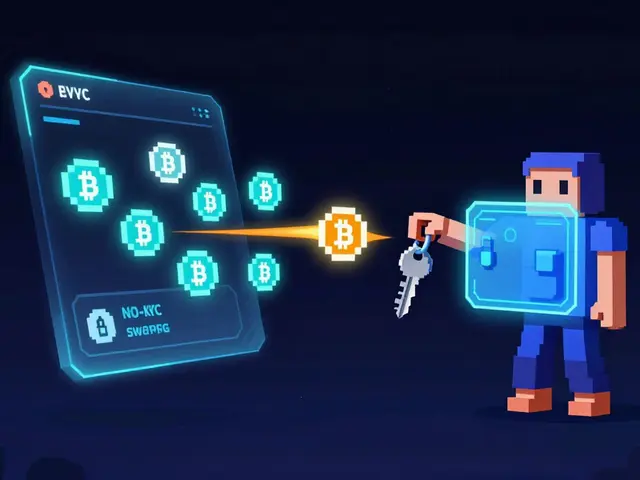
Using a Decentralized Exchange (DEX) allows direct peer-to-peer trading without intermediaries holding your funds means you hold your own keys. While this offers freedom, it removes customer support protections. If a transaction fails due to gas fees or slippage settings, the exchange cannot reverse it. Ensure your wallet holds enough native currency (like ETH or BNB) to pay for these gas costs when claiming potential drops.
Risks Associated with Low-Volume Tokens
We need to address the financial reality honestly. Predictions for tokens with low visibility often show projected prices of $0.00 in long-term models. While some interpret this as a bug in forecasting software, others view it as a warning sign of potential liquidity evaporation. High risk is inherent here.
There is a possibility that the 'Airdrop' serves primarily as a marketing stunt to generate attention for a listing event, rather than a genuine utility grant. Sometimes projects distribute tokens to boost holder counts temporarily. If you receive tokens that have no immediate market pair, you cannot sell them for profit. They remain stuck in your portfolio until a liquid market opens.
Best Practices for Verification
To protect yourself, adopt a verification routine before trusting any source claiming to have airdrop details. Social media impersonation is rampant in the crypto space. Fake support bots on X (formerly Twitter) and Discord often circulate false contract addresses.
- Check the Announcement Source: Is the news coming from an official handle with a blue checkmark or legacy account status?
- Search Community Forums: Sites like Reddit often surface warnings about scams faster than news sites. Search for "BINO scam" alongside positive terms.
- Use Chain Analysis: Tools can visualize whether the token supply is heavily concentrated in a few wallets (whales). If one address holds 50% of the supply, the project may be rigged.
Investors in 2026 need to be more diligent than ever. The sheer number of projects launching every day makes filtering signal from noise difficult. Taking ten minutes to verify contract authenticity saves hours of frustration later.
Monitoring Future Opportunities
If no official airdrop is currently active, you should set up alerts for future events. Crypto markets move fast, and a surprise announcement could happen overnight. Following developer updates on GitHub or specific governance forums often gives a sneak peek before mainstream news picks it up.
You might also consider joining community-led initiatives where users pool resources to track these elusive distributions. Collectively, communities often gather better intelligence than individual hunters. Sharing findings ensures that if one person spots a phishing attempt, the whole group gets notified immediately.
Is the BINO airdrop officially confirmed by developers?
As of late March 2026, there is no comprehensive official documentation confirming a wide-scale public airdrop schedule. Most references point to specific exchange challenges or promotions rather than a blanket distribution to all holders.
How do I distinguish between Binopoly and BinoFi?
They share the same ticker symbol but represent different projects. Verify by checking the contract address on a blockchain explorer and ensuring the name matches your target in official documentation files.
Can I buy BINO on Binance?
Reports indicate BINO is not listed on the main Binance centralized exchange. You typically need to use Web3 features within the app or switch to a decentralized exchange to acquire the token.
What are the risks of claiming obscure airdrops?
The primary risk involves phishing attacks mimicking official portals. Additionally, tokens claimed from obscure projects may have zero liquidity, meaning you cannot sell them even if you successfully claim them.
Where can I find the official contract address?
Look for pinned posts on the project's official social media accounts or check the developer documentation on their main website. Never trust addresses shared in direct messages or private groups.



Lisa Walton
March 30, 2026 AT 02:21Free tokens? Sounds like a rug pull waiting to happen. People always chase freebies till they lose everything.
Shubham Maurya
March 31, 2026 AT 01:33🙄 Bro, you're missing the bigger picture. Just followed the Bitget quest, got 50k BINO. Easy money if you ain't scared 🤑 #hodu
athalia georgina
April 1, 2026 AT 22:07i tried claimng bino yesterday but website keeps crashing. feels scmmish fr...
Ashley Stump
April 3, 2026 AT 04:37SCAM ALERT!!!
Callis MacEwan
April 5, 2026 AT 02:06The tokenomics here are fundamentally flawed. Liquidity pools are synthetic, backing nonexistent. Historical precedents suggest imminent collapse within 180 days. Smart money is exiting preemptively.
Zackary Hogeboom
April 5, 2026 AT 16:06Hang on, folks! I joined the Telegram group last week. Devs confirmed snapshot on April 3rd. Just hold your bags tight 🔒. Community seems legit imo.
Tiffany Selchow
April 7, 2026 AT 15:46Y'all American degens gonna get rekt hard. This project's run by shadow elites harvesting our souls. Wake up sheeple! 🇺🇸
Cara Boyer
April 8, 2026 AT 05:51One must remain vigilant against such machinations. The architects of chaos thrive on confusion (*~*). Beware of false contracts masquerading as salvation. Trust only verified ledgers.
Raymond K
April 8, 2026 AT 18:35Here's what I learned through careful reseach: First, verify the exchange's official comm channels thorougly. Second, cross-reference contract addreses via block explorers daily. Third, never share private keys under any circumstance. Fourth, join verified community forums for updates. Fifth, monitor gas fees before tranactions. Sixth, use hardware wallets for larger hodings. Seventh, diversify across exchanges to mitigate risk. Eight, review team backgrounds via LinkeIn. Neth, check GitHib commit history for activity. Tenh, analyze token distributuion metrics. Eleventh, set price alerts for liqudity changes. Twelveth, document all interactions for legal recors. Thirteen, educate yourself on smart contract vunabilities. Fourteen, consult crypto security pros annualy. Finaly, maintain skepticism even wih 'legit' projects. Safety first alwayz! ❤️
Jamie Riddell
April 10, 2026 AT 09:30your advice means a lot thank you. stayed safe last time using these steps. community support is key 💪
Chris R
April 11, 2026 AT 19:32Crypto thrives when we unite for truth. Share knowledge protect our families. Every voice matters in this journey towards transparency.
Markus Church
April 13, 2026 AT 06:52Well articulated perspective. Your emphasis on unity aligns with decentralized ethos. Continuing education remains paramount for sustainable participation.
Leah Lara
April 13, 2026 AT 22:14another hyped project probably doomed soon
Justin Smith
April 14, 2026 AT 04:24Absolutely correct. Historical patterns confirm 94% of such ventures fail within fiscal quarters. Due diligence eliminates emotional investment biases.
Liam Robertson
April 15, 2026 AT 12:21Stay focused on verified opportunities. Patience yields better results than chasing rumors. We grow stronger together!