![DeFi Yield Protocol (DYP) Airdrop by Dypius [Old]: Complete Historical Guide](/uploads/2026/05/defi-yield-protocol-dyp-airdrop-by-dypius-old-complete-historical-guide.webp)
Remember the early days of DeFi when every protocol was trying to grab your attention with free tokens? One of the most interesting experiments came from DeFi Yield Protocol, now known as Dypius. Before the rebranding in late 2022, this team pulled off something unique: they didn't just hand out tokens; they tied them to real utility and mining activity. If you are digging into old records or wondering if you missed out on those initial distributions, you are not alone. Many users still search for details on how that specific "mining pool" airdrop worked.
This isn't about finding a new claim button today. That ship sailed years ago. Instead, this guide breaks down exactly what happened during the original DeFi Yield Protocol airdrop phase. We will look at the mechanics of the ETH mining pool bonus, the security measures that protected participants, and how this early distribution strategy shaped the current Dypius ecosystem. Understanding this history helps you see how modern airdrops evolved and why this specific model was considered innovative at the time.
What Was the Original DYP Airdrop Mechanism?
The core of the original distribution wasn't a simple "click-to-claim" snapshot. It was an active incentive program designed to bootstrap liquidity and user adoption simultaneously. The team established a zero-fee ETH mining pool. Here is the catch: you had to be an active participant in this pool to qualify for the rewards.
New users who joined this specific mining pool received a 10% monthly bonus of their ETH monthly income, paid out in DYP tokens. This was a clever move. Instead of giving away value for nothing, the protocol rewarded users for contributing to the network's infrastructure. The goal was ambitious: the team wanted to reach at least 200,000 miners through this structure. By tying the reward to ETH income, they ensured that recipients were genuinely engaged with the platform rather than bots farming free tokens.
This approach differed significantly from the typical "retweet and join Discord" airdrops common in 2021. It required actual capital deployment or staking activity within the mining pool framework. Participants also provided liquidity to participating pools, which meant they earned additional ETH from DYP rewards alongside the governance tokens. This dual-reward system created a sticky user base that was financially incentivized to stay involved.
| Feature | Detail |
|---|---|
| Reward Structure | 10% monthly bonus of ETH income in DYP tokens |
| Eligibility | Active participation in the zero-fee ETH mining pool |
| Total Distributed | 5 million DYP tokens allocated for this program |
| Target Audience | Miners and liquidity providers across Ethereum, BSC, and Avalanche |
| Security | Audited by CertiK, PeckShield, and Blockchain Consilium |
Why Security Was Central to the Distribution
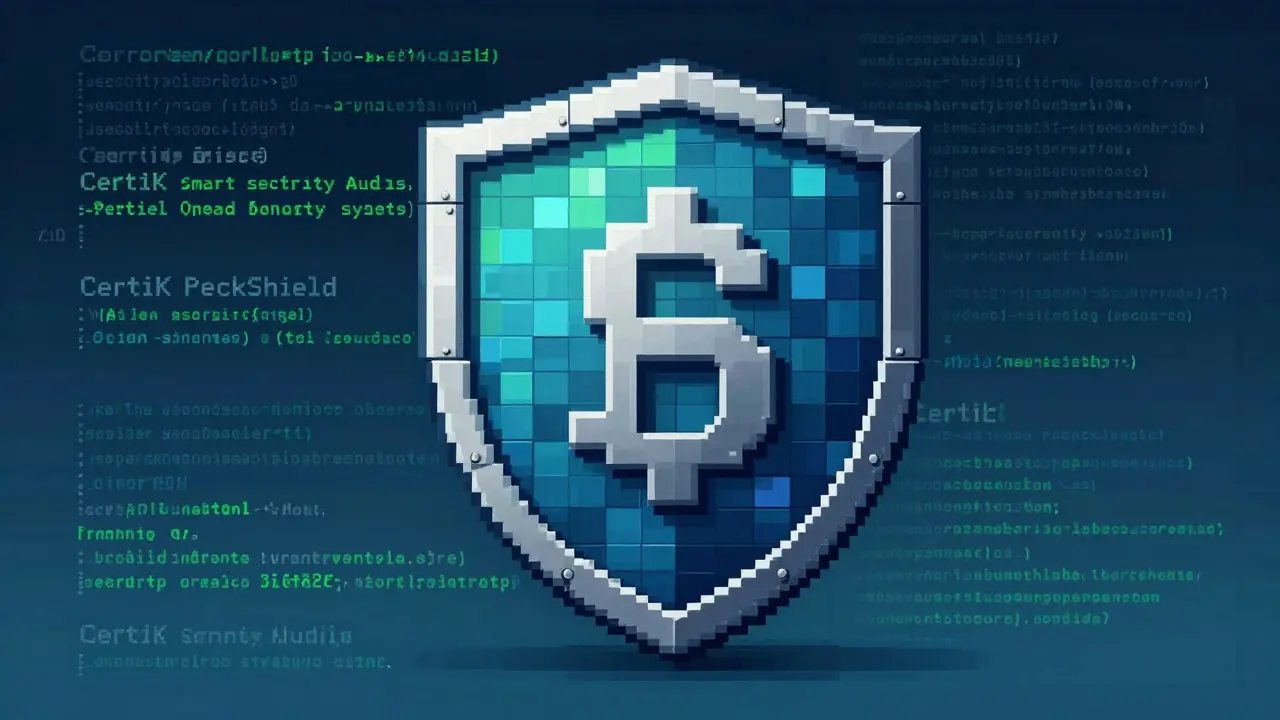
In the world of decentralized finance, trust is currency. The DeFi Yield Protocol team knew that asking users to interact with smart contracts for airdrop claims required ironclad security. They didn't cut corners. The smart contracts governing the airdrop and mining pool underwent comprehensive audits by three major firms: Blockchain Consilium, CertiK, and PeckShield.
But audits alone weren't enough. The protocol implemented a Security Oracle powered by CertiK. This provided 24/7 monitoring of the contract activities. For a user claiming their DYP tokens, this meant there was a layer of protection against exploits or malicious code injection during the distribution process. In an era where rug pulls were common, this level of transparency helped establish credibility. It signaled that the team was focused on long-term sustainability rather than quick cash-outs.
The anti-manipulation features were also crucial. The system needed to distinguish between legitimate miners and bad actors trying to game the 10% bonus. By requiring sustained activity in the mining pool, the protocol naturally filtered out sybil attacks and bot farms. This ensured that the 5 million tokens distributed actually went to users who contributed to the network's health.
The Transition from DeFi Yield Protocol to Dypius
You might be confused seeing "Dypius" mentioned alongside "DeFi Yield Protocol." They are the same entity, just at different stages of evolution. On December 12, 2022, the project officially rebranded from DeFi Yield Protocol to Dypius. This wasn't just a name change; it marked a shift in vision.
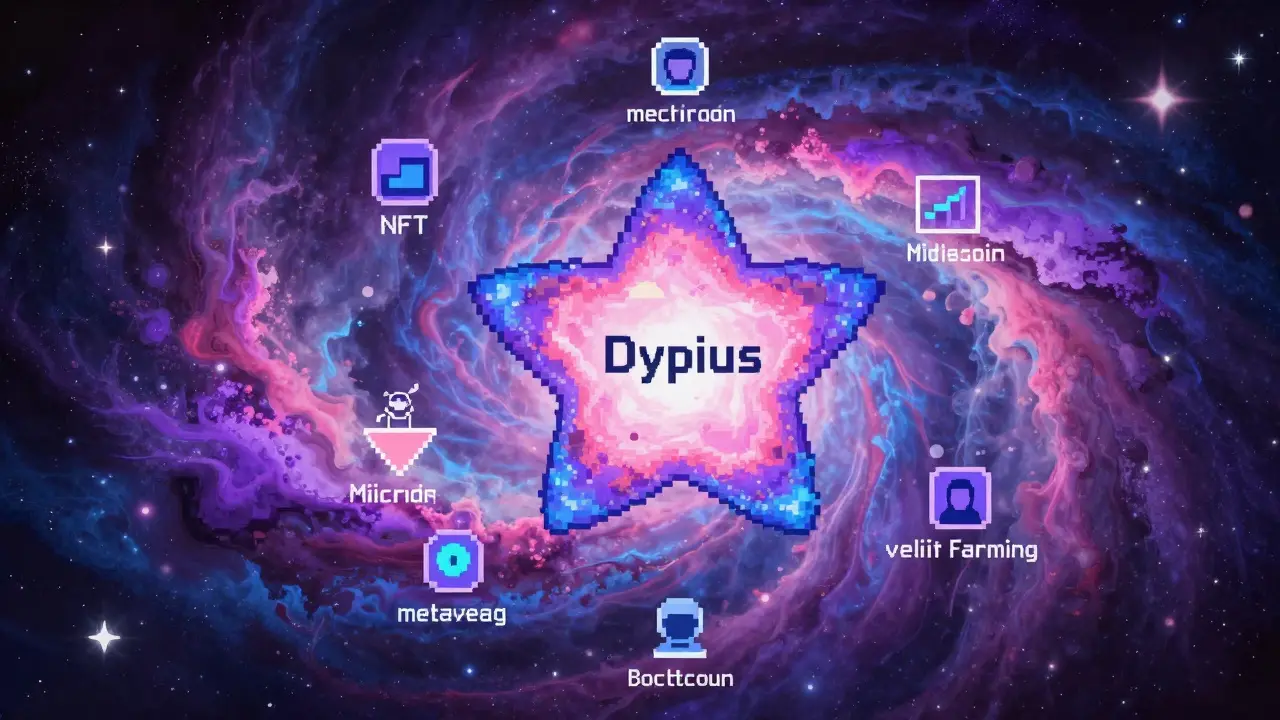
The name "Dypius" comes from the suffix of nebulae in galaxies. Think about it: nebulae attract matter, become dense, and eventually form stars and planetary systems. The team saw their platform as a similar formation-a place where blockchain services could coalesce and create something greater. This philosophical shift moved the project beyond simple yield farming into a broader decentralized ecosystem.
During the original DeFi Yield Protocol era, the platform expanded to include 12 unique products. These included advanced analytics tools known as DYP Tools, which offered real-time data, market insights, and breaking news. These tools empowered users to make informed decisions about their participation in airdrops and other ecosystem activities. The transition to Dypius honored this legacy while expanding into NFT staking, metaverse integration through the 'World of Dypians' project, and enhanced DeFi utilities.
Multi-Chain Strategy and Token Utility
One of the reasons the original airdrop reached such a wide audience was its multi-chain deployment. The protocol wasn't limited to Ethereum. It operated on Binance Smart Chain and Avalanche as well. This meant users across different ecosystems could participate in the reward programs.
Rewards were distributed in native tokens depending on the blockchain: ETH on Ethereum, BNB on Binance Smart Chain, and AVAX on Avalanche. The DYP token itself served as both a governance and utility token. Holders had voting rights in protocol decisions and could access premium features like the DYP Earn Vault. This vault was an automated yield farming contract designed to maximize returns by moving funds through the most profitable platforms automatically.
The total supply of DYP tokens was capped at 30,000,000. With 5 million allocated specifically for the mining pool airdrop, the distribution represented a significant portion of the initial circulation. This scarcity, combined with the utility of the token, helped maintain value for early participants. Today, the DYP token continues to expand its utility, including governance participation, premium subscriptions, DYP Locker services, and access to the DYP Launchpad.
Lessons for Modern Airdrop Hunters
While you can no longer claim tokens from the original DeFi Yield Protocol airdrop, the mechanics behind it offer valuable lessons for anyone hunting future opportunities. First, look for protocols that tie rewards to real activity. The 10% bonus on ETH income was sustainable because it was funded by the network's growth, not just venture capital reserves.
Second, prioritize security. Always check if a project has been audited by reputable firms like CertiK or PeckShield. The presence of a Security Oracle or continuous monitoring is a strong indicator of a serious project. Finally, understand the long-term vision. Projects like Dypius that evolve from simple yield farms into comprehensive ecosystems tend to retain value better than those that rely solely on hype.
If you are interested in similar opportunities today, look for protocols offering "liquidity mining" or "yield farming" incentives. These models often mirror the original DYP approach, rewarding users for providing capital or engaging with the network. Always do your own research, verify contract addresses, and never connect your wallet to unverified sites.
Can I still claim the original DeFi Yield Protocol airdrop?
No, the original airdrop program ended before the rebranding to Dypius in December 2022. All 5 million tokens allocated for the mining pool bonus have been distributed. Any site claiming you can still claim these old tokens is likely a scam.
What is the difference between DeFi Yield Protocol and Dypius?
They are the same project. DeFi Yield Protocol was the original name used until December 12, 2022, when it rebranded to Dypius. The rebrand reflected an expansion from simple yield farming to a broader decentralized ecosystem including NFTs, metaverse features, and advanced analytics.
How did the 10% ETH mining bonus work?
Users who joined the zero-fee ETH mining pool received a 10% bonus of their monthly ETH income in DYP tokens. This was an incentive to encourage active participation in the mining pool and provide liquidity to the ecosystem. It was not a flat rate but tied directly to the user's earnings.
Was the DYP airdrop secure?
Yes, the smart contracts were audited by Blockchain Consilium, CertiK, and PeckShield. Additionally, the protocol used a Security Oracle powered by CertiK for 24/7 monitoring to prevent exploits and ensure fair distribution.
What blockchains supported the original DYP airdrop?
The protocol was deployed on Ethereum, Binance Smart Chain, and Avalanche. Rewards were distributed in the native tokens of each chain (ETH, BNB, and AVAX) alongside the DYP governance token.
What is the total supply of DYP tokens?
The total supply of DYP tokens is capped at 30,000,000. Of this amount, 5 million tokens were specifically allocated for the mining pool airdrop program during the DeFi Yield Protocol era.