You probably saw a flashy post on Twitter or Telegram promising free AirCoin tokens. The message likely claimed that just by connecting your wallet or clicking a link, you could get thousands of dollars in value for doing nothing. It sounds too good to be true because it is. Right now, there is no legitimate, verified project called "AirCoin" with an official ticker symbol of AIR launching a major airdrop in 2026.
In the world of cryptocurrency, silence from reputable sources is often the loudest warning sign. Major tracking platforms like CoinGecko, CoinMarketCap, and Bitget Academy do not list an active, credible AirCoin airdrop. When a project this specific doesn't appear on these dashboards, it usually means one of two things: either the project is in extremely early private stages (which makes public airdrops impossible), or, more likely, it is a scam designed to steal your funds.
The Reality Check: Why AirCoin Isn't on the Radar
Let's look at how real airdrops work versus what you are seeing online. Legitimate protocols like Optimism, Berachain, or Jupiter don't just announce giveaways via random social media posts. They have years of development history, open-source code, and massive community engagement before they ever think about distributing tokens.
If you search for "AirCoin AIR token," you might find some obscure websites or copy-pasted articles. These sites often use SEO tricks to rank high when people search for popular terms. However, they lack the fundamental pillars of a trustworthy crypto project:
- No Official Website: There is no primary domain hosted by a known team.
- No Smart Contract Audit: No security firm has reviewed the code for vulnerabilities.
- No Tokenomics: There is no clear plan for how many tokens exist or who controls them.
Compare this to a real recent example. When Abstract Chain announced their plans, they had backing from the Pudgy Penguins team-a well-known entity in the NFT space. Their details were transparent, and their roadmap was public. AirCoin offers none of this transparency. It operates in the shadows, which is exactly where scammers prefer to stay.
How Fake Airdrop Scams Actually Work
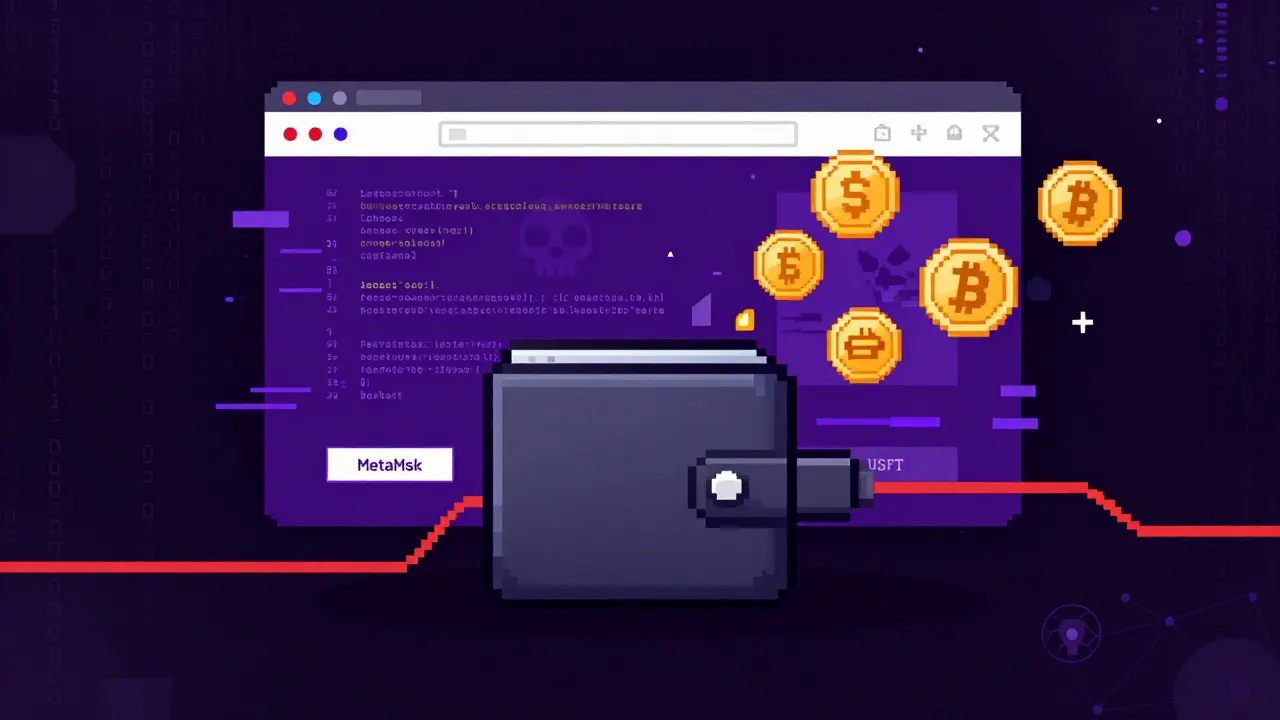
Understanding the mechanics behind these scams helps you spot them instantly. Most fake airdrops follow a predictable pattern known as a "honeypot" or a "drainer" attack. Here is the step-by-step process you need to watch out for:
- The Hook: You see a notification claiming you are eligible for an exclusive drop. It creates urgency, saying "Claim within 24 hours or lose your slot."
- The Connection: You are directed to a website that looks professional but is actually malicious. You are asked to connect your wallet (like MetaMask or Phantom).
- The Trap:
- The Approval: This is the critical moment. The site asks you to "approve" a transaction. In reality, you are signing a permit that allows the scammer to drain all assets of a certain type from your wallet. Once you click confirm, your ETH, SOL, or USDT disappears instantly.
Another variation involves sending you actual fake tokens. You receive a transfer of "AIR" tokens into your wallet. They look real in your interface. But when you try to sell them on a decentralized exchange, the transaction fails. Or worse, interacting with those fake tokens triggers a hidden script that drains your real funds. Always remember: if you didn't earn it through verifiable protocol usage, it’s likely bait.
Red Flags to Watch For Immediately
You can protect yourself by learning to identify the warning signs. If any of these apply to the AirCoin offer you received, close the tab immediately:
| Indicator | What It Means | Legitimate Alternative |
|---|---|---|
| DMs from "Support" Accounts | Scammers impersonate support staff to build trust. | Real projects never DM users first; check official channels only. |
| Urgency Tactics | Pressure to act fast prevents you from researching. | Real airdrops have long claim windows (weeks or months). |
| Unverified Links | Links from bio links or comments that lead to unknown domains. | Official announcements come from verified Twitter/X accounts and Discord servers. |
| Requesting Seed Phrase | Any site asking for your 12-24 word recovery phrase is stealing your wallet. | No legitimate service will ever ask for your seed phrase. |
Pay special attention to the URL. Scammers often buy domains that look similar to real ones, such as using numbers instead of letters (e.g., aircoin-airdrop.com vs. aircoin.io). If the domain was registered less than six months ago, treat it with extreme suspicion.
How to Verify Any Crypto Project Before Clicking
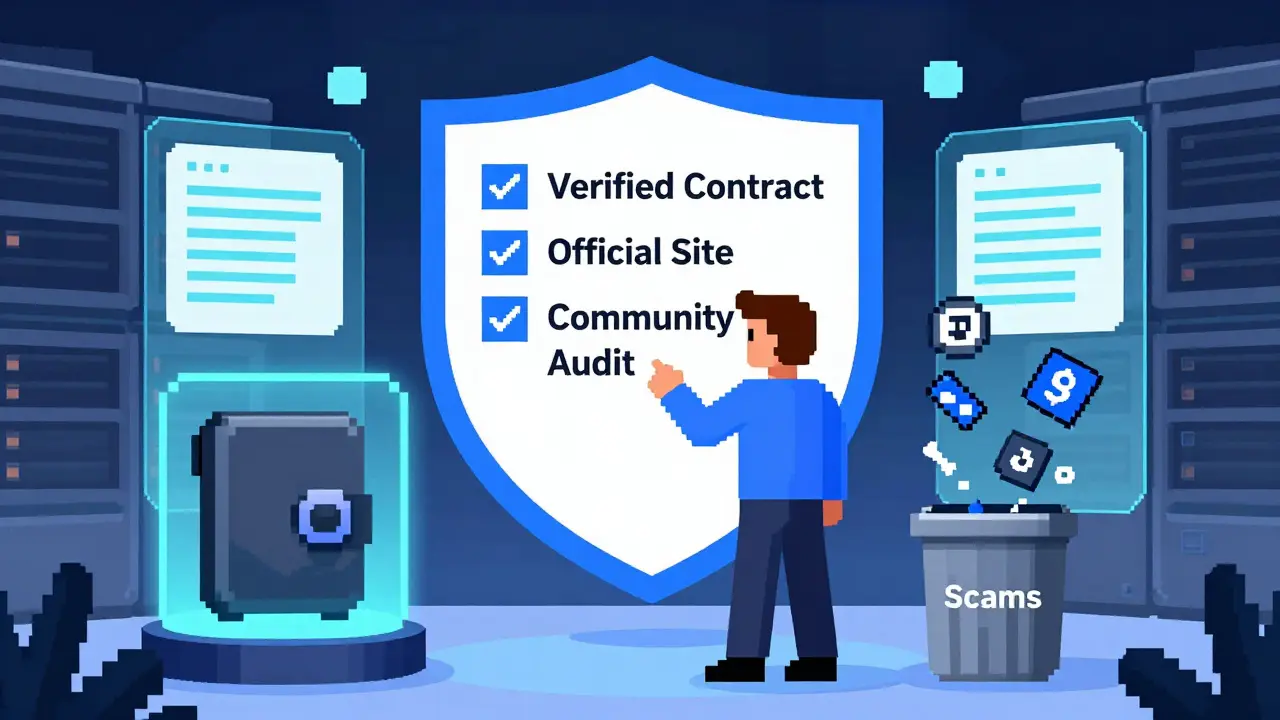
Before you engage with any airdrop-whether it’s AirCoin or something else-you should run a quick verification checklist. This takes less than five minutes and can save you thousands of dollars.
First, check the project's presence on aggregators. Go to CoinGecko or CoinMarketCap and search for the token name. If it doesn't appear, or if it appears with zero market cap and no trading volume, walk away. Second, look for the smart contract address. Legitimate projects publish their contract addresses on their official website and social media. You can paste this address into tools like Etherscan or Solscan to see the transaction history. If the contract has been created recently and has interactions only from suspicious wallets, it is a red flag.
Third, examine the team. Do they have LinkedIn profiles? Are they doxxed (publicly identified)? Anonymous teams aren't automatically bad, but combined with other risks, anonymity increases the chance of a rug pull. Finally, join their official Discord or Telegram. Read the pinned messages. If the chat is filled with bots spamming "When moon?" or if admins delete negative comments, it is a controlled environment designed to manipulate perception.
Safe Alternatives: Real Airdrops Worth Tracking
Instead of chasing ghosts like AirCoin, focus your energy on projects with proven track records and transparent roadmaps. While the landscape changes daily, here are types of projects that typically offer legitimate rewards:
- Layer 1 and Layer 2 Networks: New blockchains often reward early testers. Look for networks that require you to bridge funds or swap tokens. Examples from recent years include Arbitrum and Optimism. Always use a burner wallet for testing new chains.
- Decentralized Exchanges (DEXs): Some DEXs reward liquidity providers or traders with governance tokens. Participating in governance votes is also a common way to qualify for future drops.
- Data Indexers and Oracles: Projects that provide data to the blockchain ecosystem sometimes reward node operators or data submitters.
To stay updated on these legitimate opportunities, follow trusted educational resources like Bitget Academy or CoinTelegraph. They curate lists based on verification, not hype. Never rely on anonymous influencers who promise guaranteed returns.
Protecting Your Digital Assets
Your security hygiene is your best defense. Start by separating your main holdings from your experimental activities. Keep your long-term investments in a cold hardware wallet. Use a separate software wallet, funded with only a small amount of money you can afford to lose, for interacting with new protocols, claiming potential airdrops, or testing new features.
Enable two-factor authentication (2FA) on all your exchange accounts and email addresses. Use an authenticator app rather than SMS, which can be intercepted. Regularly revoke permissions for old contracts. Websites like Revoke.cash allow you to see which apps have access to your wallet and remove them if they are no longer needed. This prevents old approvals from being exploited later.
Finally, cultivate skepticism. In crypto, if someone promises you free money without effort, they are trying to take your money. The excitement of a potential windfall clouds judgment. Take a breath, verify the source, and prioritize safety over speed. There will always be another opportunity, but once your funds are drained, they are gone forever.
Is the AirCoin (AIR) airdrop legitimate?
No, there is currently no verified, legitimate project called AirCoin with an official AIR token airdrop listed on major tracking platforms like CoinGecko or CoinMarketCap. Offers claiming to be from AirCoin are likely scams designed to steal your wallet funds.
How can I tell if a crypto airdrop is a scam?
Look for red flags such as urgent deadlines, requests for your seed phrase, unverified websites, and direct messages from unofficial accounts. Legitimate airdrops are announced through official channels, have transparent tokenomics, and do not pressure you to act immediately.
What should I do if I already connected my wallet to a suspicious site?
Immediately disconnect your wallet from the site. Move any remaining funds to a new, secure wallet. Use a tool like Revoke.cash to check and revoke any unauthorized spending approvals granted to the malicious contract. Monitor your transaction history closely for any outgoing transfers.
Are there any safe ways to participate in crypto airdrops?
Yes, by focusing on established projects with public roadmaps and active communities. Use a dedicated "burner" wallet with minimal funds for testing new protocols. Always verify contract addresses on official websites and avoid clicking links from unsolicited messages.
Why don't major exchanges list AirCoin?
Major exchanges and trackers perform rigorous due diligence before listing tokens. If AirCoin is not listed, it indicates a lack of transparency, security audits, or genuine user base, which are standard requirements for legitimacy in the crypto industry.