
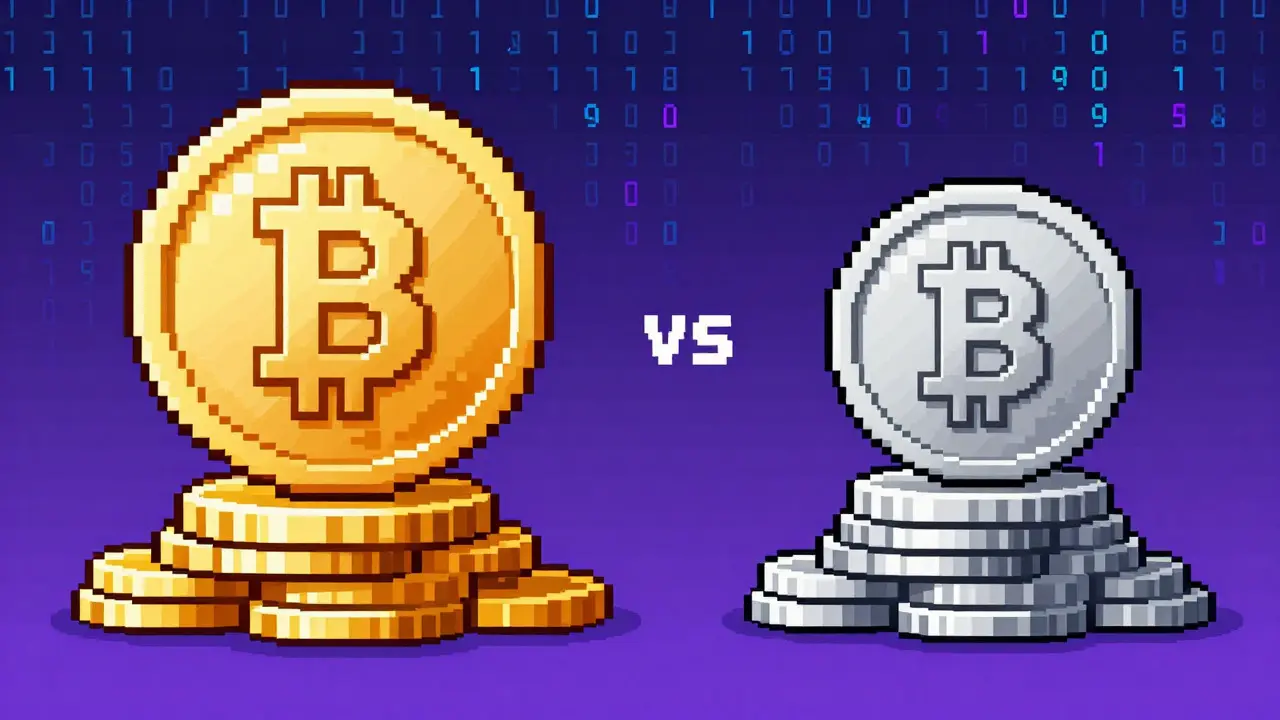
You see a coin trading at $0.01 and another at $50. Which one is the bigger company? Most beginners pick the $50 coin. They are usually wrong. In the world of cryptocurrency, which represents digital assets secured by cryptography and operating on decentralized networks, price per token is a vanity metric. It tells you nothing about the actual size or value of the project. That is where market capitalization comes in.
Market cap is the only way to judge the true weight of a digital asset. It strips away the confusion of decimal places and arbitrary token prices. If you want to invest without getting played by marketing hype, you need to understand this number better than anyone else in your group chat.
The Formula That Changes Everything
Calculating market cap is not rocket science. It is basic multiplication. You take the current price of one token and multiply it by the number of tokens currently available for trade. This specific number of available tokens is called the circulating supply, defined as the total amount of coins actively traded in the market, excluding locked or unissued tokens.
| Component | Definition | Example Value |
|---|---|---|
| Current Price | The real-time trading value of a single unit | $100 |
| Circulating Supply | Tokens publicly available for trading | 1,000,000 |
| Market Cap | Total value (Price × Supply) | $100,000,000 |
Let’s look at two hypothetical coins to see why this matters. Coin A costs $1. There are 10 million coins in circulation. Its market cap is $10 million. Coin B costs $100. But there are only 100,000 coins in circulation. Its market cap is also $10 million. Even though Coin B looks more expensive, they are the same size. If you buy Coin B because it has a higher price, you are ignoring the fact that both projects have the exact same total value. Market cap levels the playing field.
Circulating vs. Total Supply: The Hidden Trap
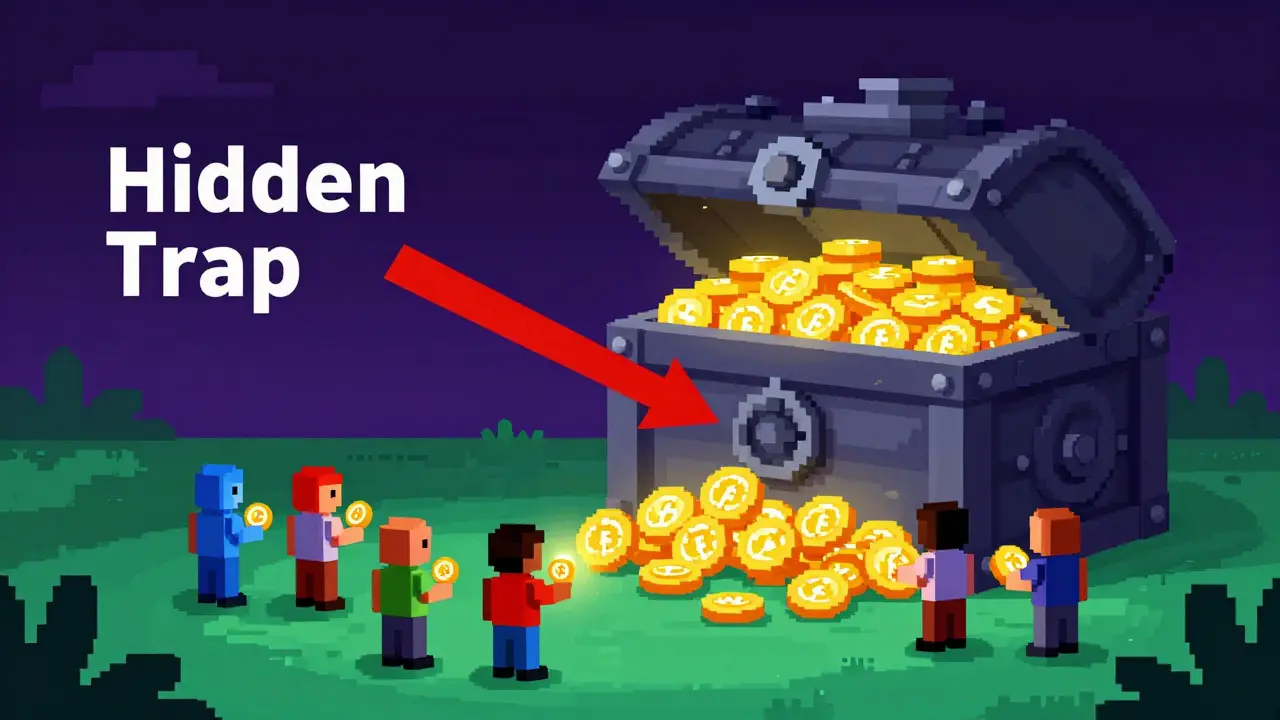
Here is where most people get burned. The formula above uses circulating supply. But every crypto project has a total supply, which refers to all tokens that exist or will ever be created according to the protocol's rules. Sometimes, these numbers are wildly different.
Imagine a new project launches. The team keeps 90% of the tokens locked up for themselves and their investors. Only 10% are released to the public. If the public buys up those initial tokens and pushes the price high, the market cap based on circulating supply looks huge. But if the team unlocks their 90% next month, the supply suddenly explodes. The price crashes. The market cap stays roughly the same, but your investment loses half its value overnight.
This is why you must check the fully diluted valuation (FDV), which calculates market cap assuming all possible tokens are already in circulation. FDV gives you a realistic view of the project’s potential ceiling. If a coin has a low market cap but a massive FDV, it means millions of tokens are waiting to enter the market. That is inflation waiting to happen. Always compare the current market cap to the FDV. If the gap is too wide, proceed with caution.
Why Size Matters: Risk and Reward Categories
In traditional finance, companies are grouped by size. Big companies like Apple or Microsoft are stable but grow slowly. Small startups are risky but can explode in value. Crypto works the same way. We use market cap to categorize risk.
- Large-Cap: These are the giants. Think Bitcoin, the first and largest cryptocurrency by market capitalization, often referred to as 'digital gold' or Ethereum, a programmable blockchain platform that supports smart contracts and decentralized applications. Their market caps are in the hundreds of billions. They are less likely to go to zero. They are also less likely to do a 100x return next week. You buy these for safety and steady growth.
- Mid-Cap: These projects have proven they work. They have real users and active development. They carry more risk than Bitcoin but offer higher growth potential. This is where many professional traders look for opportunities.
- Small-Cap: These are the lottery tickets. The market cap is under $300 million. They can pump 1000% in a day. They can also drop 99% just as fast. Most small-cap coins fail. Only invest money you are ready to lose entirely.
Understanding these categories helps you build a balanced portfolio. If you put everything into small-caps, you are gambling. If you put everything into large-caps, you might miss out on explosive gains. A mix allows you to manage risk while chasing returns.
Common Mistakes New Investors Make
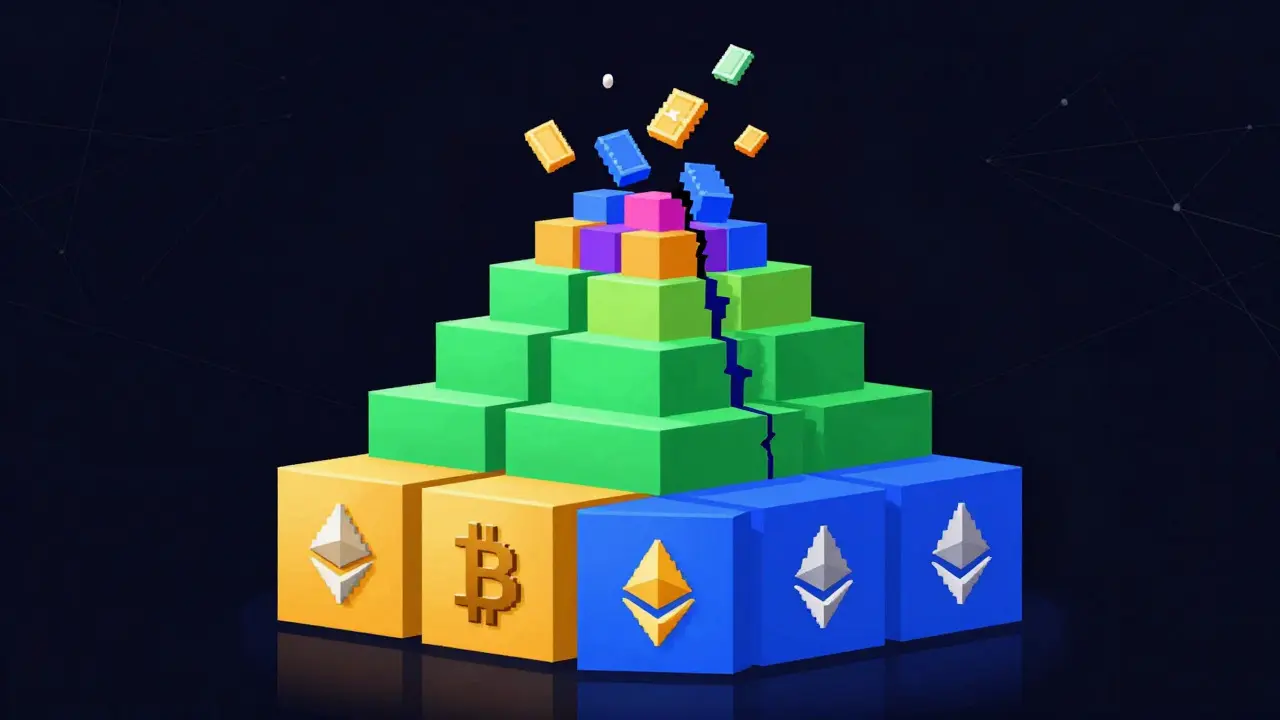
I see the same errors repeated across forums and social media. Avoiding them will save you thousands of dollars.
- Focusing on Price Alone: "I want to buy a coin under $1 so I can own thousands." This logic is flawed. Owning 1,000 shares of a worthless penny stock doesn't make you rich. Focus on the total value of the network, not the cost of entry.
- Ignoring Token Unlocks: Before buying, check when the team’s tokens unlock. Sites like TokenUnlocks provide this data. Buying right before a major unlock is like standing in front of a waterfall expecting to stay dry.
- Confusing Market Cap with Liquidity: Just because a coin has a high market cap doesn't mean you can sell it easily. Some coins have thin order books. You might see a price, but when you try to sell, the price slumps because there aren't enough buyers. Always check liquidity alongside market cap.
How to Track Market Cap Effectively
You don’t need to do math manually. Platforms like CoinMarketCap, a leading aggregator of cryptocurrency market data providing real-time pricing and volume information and CoinGecko, an independent cryptocurrency data aggregator known for its unbiased rankings and comprehensive metrics update these numbers every second. Look for the "MC" column. Sort by it to see the hierarchy of the market.
Also, watch the Total Crypto Market Cap. This is the sum of all cryptocurrencies’ values. It acts as a barometer for the entire industry. When the total market cap rises, sentiment is bullish. When it falls, fear is taking over. Using this macro indicator helps you time your entries and exits better than looking at individual charts alone.
Is market cap the same as price?
No. Price is what you pay for one single token. Market cap is the total value of all tokens in circulation multiplied by that price. A coin can have a low price but a huge market cap if there are billions of tokens in existence.
What is a good market cap for a new investor?
For beginners, sticking to large-cap cryptocurrencies (over $10 billion) is safest. They are established, have high liquidity, and are less prone to manipulation. As you gain experience, you can allocate smaller portions of your portfolio to mid and small caps.
Can market cap change without price changing?
Yes. If new tokens are added to the circulating supply through mining rewards or staking, the market cap increases even if the price stays flat. Conversely, if tokens are burned (destroyed), the supply drops, potentially increasing the value of remaining tokens.
What does Fully Diluted Valuation (FDV) tell me?
FDV shows what the market cap would be if all possible tokens were in circulation today. It helps you assess future inflation. If the current market cap is much lower than the FDV, expect significant selling pressure from unlocked tokens in the future.
Why is Bitcoin's market cap so high compared to others?
Bitcoin has the highest brand recognition, security, and institutional adoption. Its limited supply of 21 million coins creates scarcity. Large market cap indicates stability and trust, making it the primary store of value in the crypto ecosystem.




Matt Kay
August 5, 2026 AT 18:48tl;dr just buy btc
Erica Johnson
August 6, 2026 AT 03:48Oh honey, you really think the FDV is some magical crystal ball? :P It's just a number made up by dev teams to scare you. But sure, keep doing your homework while they rug pull your savings. Classic.
Dominic Greco
August 7, 2026 AT 10:24The whole market cap thing is a psyop 🤡📉 They want you to think it's real value when it's just numbers on a screen controlled by the central bank puppets. Wake up sheeple! 🚨💸
Carl Michaud
August 9, 2026 AT 01:36Amateur hour. You're looking at static metrics in a dynamic liquidity environment. The correlation between circulating supply and actual utility is negligible for 99% of altcoins. Most of these projects are vaporware with inflated valuations based on speculative FOMO rather than fundamental network effects. Stop listening to retail narratives.
Lance Jantz
August 10, 2026 AT 22:23My ancestors farmed this land for generations and now I'm watching digital coins go up and down? It’s beautiful chaos, isn’t it? Like a symphony of greed played out in binary code. I feel alive when the charts bleed red. Truly a spiritual experience for the modern soul.
Ken G
August 10, 2026 AT 23:45its all rigged anyway. the big players dump on us little guys. dont trust any project that has a vc backing. they are stealing our future. simple as that.
Dave Kjendal
August 11, 2026 AT 17:08Most people here are idiots. You don't need math to know which coin will pump. Just follow the influencers. Or don't. Whatever. Life is short, why worry about market cap?
Don Fizy
August 11, 2026 AT 23:18Great breakdown! 👍 Don't forget to check the team behind the project too. If they are doxxed and have a good track record, that adds a lot of confidence. Happy trading! 🚀
Phil Babb
August 13, 2026 AT 09:18LISTEN UP!!! This is exactly what we need more of!! Education saves lives!! Don't let the fear get you!! Buy the dip!! Sell the rip!! Stay strong warriors!!! 💪🔥📈
Sus Sawyer
August 14, 2026 AT 10:38Yo, great tips fam! Just remember to DYOR (Do Your Own Research) before tossing your cash into the void. The market can stay irrational longer than you can stay solvent, so keep your positions tight and your mind tighter. Let's get that bag! 💰
Aryan MISHRA
August 15, 2026 AT 09:58Market Cap = Price * Supply. Simple algebra. Why do people overcomplicate it? Check liquidity depth. Check volume. If volume is low, market cap is fake. Easy.
Ed Mitchell
August 17, 2026 AT 02:21One must consider the implications of such centralized data aggregation platforms. CoinMarketCap and CoinGecko are merely fronts for the globalist agenda to track your every move. The 'circulating supply' is a lie fabricated to mask the true inflationary nature of fiat-backed crypto scams. Do not trust the narrative. Trust only the paranoia.
Michael Mostyn
August 17, 2026 AT 03:07It is fascinating how we assign value to abstract concepts. Is market cap merely a collective hallucination agreed upon by millions? Perhaps the true value lies not in the token itself, but in the shared belief system that sustains its price. We are building cathedrals in the sky.
Rodmun Tarnowski
August 17, 2026 AT 21:12This is an excellent resource!! Thank you for sharing!! Knowledge is power!! Keep learning and growing!! The future is bright for those who prepare!! ✨📚🌟
Matthew Smith
August 18, 2026 AT 23:20We live in a society where money is imaginary. Market cap is just another layer of illusion. But if you must play the game, understand the rules. Morality has no place in finance. Only strategy.
Prudence Flemming
August 19, 2026 AT 11:35the fdv metric is often misinterpreted by retail investors who fail to grasp the temporal dynamics of token unlocks. essentially it represents potential selling pressure over time. one must analyze the vesting schedule meticulously to avoid being caught in the crossfire of institutional offloading. liquidity crunches are inevitable.
Kat Bennett
August 21, 2026 AT 07:11I've been thinking about this a lot lately because the way we define value in crypto is so different from traditional assets, and it makes me wonder if we are creating a new form of economic philosophy where community trust outweighs tangible assets, which could potentially reshape how global markets operate in the next decade if adoption continues at this pace.
Candice Cornett
August 22, 2026 AT 11:00Everyone says buy large caps for safety. Boring. Small caps are where the action is. Risk it all or go home. Safety is for losers.
Sean Rowland
August 24, 2026 AT 01:49Your analysis lacks depth regarding the macroeconomic implications of decentralized ledger technologies on sovereign monetary policy. Furthermore, your assumption that liquidity equals tradability is fundamentally flawed in fragmented order book environments. One must consider the bid-ask spread variance during high volatility events. Truly pedestrian observation.