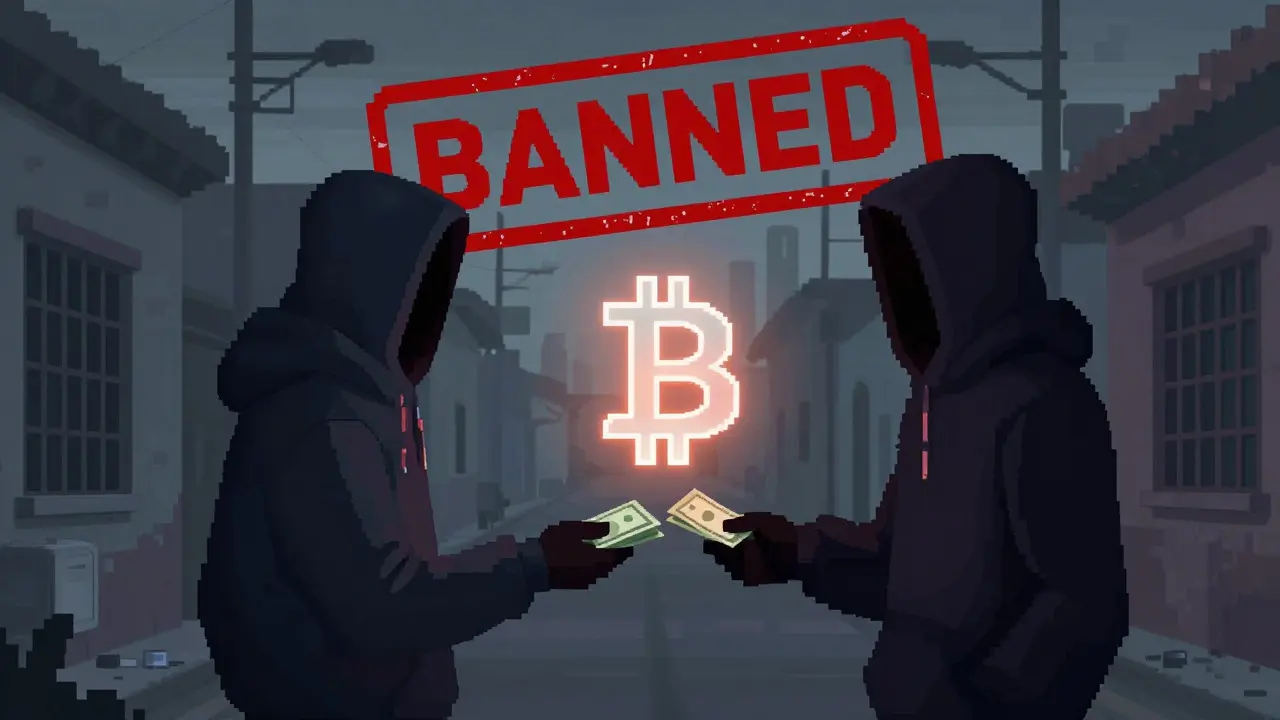
For over a decade, if you were a Bolivian citizen wanting to buy Bitcoin or send money abroad using Ethereum, you were essentially breaking the law. The Central Bank of Bolivia (BCB) had slapped a complete ban on all cryptocurrency activities back in 2014. Banks couldn't process transactions, exchanges couldn't operate locally, and citizens were left with very few options. But here is the twist that most people miss: Bolivia lifted its crypto ban in June 2024. The landscape has shifted dramatically since then.
If you are asking how Bolivians accessed crypto during the ban years, the answer involves peer-to-peer networks, offshore accounts, and significant risk. But if you are asking how they access it today, the answer is much simpler: through regulated channels and official bank partnerships. This article breaks down exactly what changed, why the government flipped its stance so quickly, and what this means for your ability to trade digital assets in Bolivia right now.
The End of the Decade-Long Ban
To understand the current situation, we have to look at why the ban existed in the first place. On May 6, 2014, the BCB issued a resolution prohibiting cryptocurrencies to "protect Bolivia." At the time, the government viewed digital assets as a threat to monetary stability and capital controls. This wasn't just a suggestion; it was enforced. Resolution N° 144/2020 reinforced this prohibition, ensuring that local banks stayed away from crypto entirely.
For ten years, Bolivia remained one of the few countries with a total blackout on crypto. However, economic reality eventually forced a rethink. By early 2024, Bolivia was facing a severe dollar crisis. Foreign reserves were dwindling, and the black market premium for US dollars was soaring. The traditional financial system was struggling to keep up with the demand for hard currency. In this context, the rigid ban started looking less like protection and more like an obstacle to economic survival.
The turning point came on June 26, 2024. The government issued Resolution No. 82/2024. This document did not just loosen restrictions; it actively lifted the ban and signaled support for crypto adoption as a tool for financial growth. It was a pragmatic decision driven by necessity rather than ideology. Within one year of this change, crypto usage in Bolivia skyrocketed by more than 500%. That is not a gradual increase; that is a pent-up demand exploding into the open.
How Bolivians Accessed Crypto During the Ban (2014-2024)
Before diving into the new rules, it is worth understanding how people operated under the old regime. If you lived in La Paz or Santa Cruz between 2014 and 2024 and wanted to hold Bitcoin, you had three main paths, all carrying varying degrees of risk.
- Peer-to-Peer (P2P) Trading: This was the most common method. Users would find each other on international platforms like Binance P2P or local Telegram groups. One person would transfer bolivianos via bank transfer or cash deposit, and the other would release Bitcoin from their wallet. Since the transaction happened between individuals, banks often didn't flag it unless the amounts were massive. However, there was no legal recourse if a scammer disappeared with the funds.
- Offshore Exchanges: Tech-savvy users created accounts on global exchanges like Coinbase or Kraken. They would fund these accounts using prepaid cards, Western Union, or by sending physical cash to trusted intermediaries who would deposit it for them. This method was expensive due to fees but offered better security than random P2P deals.
- Crypto ATMs: While rare, some neighboring countries like Chile or Argentina had crypto ATMs. Some adventurous Bolivians would cross the border to use these machines. It was inconvenient and costly, but it provided a way to enter the ecosystem without relying solely on online trust.
These methods worked, but they were fragile. You could lose your money to fraud, face frozen bank accounts if authorities noticed suspicious activity, or simply deal with high spreads. The lack of regulation meant everyone was operating in the shadows.

The New Regulatory Framework (2025-2026)
Since lifting the ban, Bolivia has moved quickly to build a structured environment. The goal is no longer to suppress crypto but to harness it while protecting consumers. Here is how the regulatory landscape looks today.
In April 2025, the government released Resolution no. 019/2025. This was a crucial step because it officially recognized virtual assets and defined Virtual Asset Service Providers (VASPs). Before this, there was no legal definition for a crypto exchange in Bolivia. Now, companies can apply for licenses to operate legally. This brings transparency and accountability to the sector.
Then, in May 2025, the government enacted Supreme Decree No. 5384. This decree established a comprehensive legal framework for the entire crypto sector. It introduced licensing obligations for market participants, meaning that any company offering custody, trading, or payment services involving crypto must be registered and monitored. This protects users because licensed entities are required to follow anti-money laundering (AML) and know-your-customer (KYC) standards.
The Central Bank of Bolivia has also changed its role from enforcer to educator. In March 2025, the BCB began utilizing USD-pegged stablecoins for cross-border payments and remittances. They are treating certain crypto exchanges as a store of value, acknowledging the volatility of the local currency. The BCB has launched public awareness campaigns to teach citizens about the basics of digital assets, helping to reduce the risk of scams.
Stablecoins: The Game Changer for Bolivians
One of the most significant developments for everyday Bolivians is the rise of stablecoins. Given the dollar shortage and inflation concerns, holding bolivianos can feel risky. Stablecoins like USDT (Tether) and USDC (USD Coin) offer a way to hold value pegged to the US dollar without needing physical cash.
As of 2025, owning and trading stablecoins is completely legal in Bolivia. For many families, this is a lifeline. Instead of standing in line for hours to buy physical dollars at a premium rate on the black market, they can convert bolivianos to USDT instantly via mobile apps. This reduces friction and cost. The BCB’s acceptance of stablecoins for cross-border payments validates their utility, encouraging wider adoption among businesses and individuals alike.
| Feature | During the Ban (2014-2024) | Current Status (2025-2026) |
|---|---|---|
| Legal Status | Prohibited by BCB resolutions | Legal and regulated under Supreme Decree No. 5384 |
| Bank Involvement | Banks prohibited from processing crypto transactions | Banks exploring integration; BCB uses stablecoins for payments |
| User Protection | None; high risk of fraud and frozen accounts | Licensed VASPs must follow AML/KYC rules |
| Primary Use Case | Speculation and underground savings | Remittances, savings (stablecoins), and cross-border trade |
| Government Stance | Hostile; focused on suppression | Supportive; focused on innovation and education |

International Cooperation and Future Outlook
Bolivia is not doing this alone. Recognizing the complexity of regulating digital assets, the Central Bank of Bolivia signed a Memorandum of Understanding (MoU) with El Salvador's National Commission for Digital Assets (CNAD). El Salvador was the first country to adopt Bitcoin as legal tender, giving them valuable experience in managing a crypto-heavy economy.
This agreement allows Bolivia to share knowledge and exchange regulatory expertise with El Salvador. Topics covered include blockchain intelligence tools, data analytics, risk analysis, and joint staff training. This partnership helps Bolivia avoid common pitfalls and build a robust oversight mechanism. It signals to international investors that Bolivia is serious about creating a safe and transparent crypto environment.
There are still isolated restrictions. For example, in May 2025, the state oil company YPFB attempted to use crypto for fuel imports, which was initially blocked by the government. This shows that while the general ban is gone, specific sectors may still face scrutiny. However, these are exceptions rather than the rule. The overall trend is toward greater integration.
Looking ahead, Bolivia is positioning itself as an emerging market for digital asset services in South America. With a 500% increase in usage and a clear legal path forward, the potential for growth is substantial. For Bolivians, this means easier access to global markets, cheaper remittances, and new opportunities for entrepreneurship. For the world, it serves as a case study in how economic pressure can drive rapid regulatory evolution.
Practical Steps for Bolivians Today
If you are in Bolivia and want to start using crypto, here is what you need to do. First, ensure you are using a licensed platform. Look for exchanges that comply with Resolution no. 019/2025. These platforms will require you to complete KYC verification, which includes providing identification and proof of address. This might feel like extra paperwork compared to the anonymous days of P2P trading, but it protects your funds and ensures legal compliance.
Second, consider starting with stablecoins if your goal is to preserve value against inflation. Apps that allow easy conversion from bolivianos to USDT or USDC are becoming more common. Check with your local bank to see if they offer direct fiat-to-crypto services, as some are beginning to integrate these options following the BCB’s lead.
Finally, stay educated. The BCB’s public awareness campaigns are a good resource. Understand the risks of volatility if you choose to invest in Bitcoin or Ethereum, and always use secure wallets. The era of wild west crypto in Bolivia is over; welcome to the age of regulated innovation.
Is cryptocurrency legal in Bolivia in 2026?
Yes, cryptocurrency is fully legal in Bolivia. The ban was lifted on June 26, 2024, via Resolution No. 82/2024. Since then, a comprehensive regulatory framework has been established, including Supreme Decree No. 5384 in May 2025, which provides clear guidelines for ownership, trading, and business operations involving digital assets.
Can I use my Bolivian bank account to buy crypto?
Increasingly, yes. While banks were previously prohibited from processing crypto transactions, the new regulations allow for greater integration. Some banks are beginning to partner with licensed Virtual Asset Service Providers (VASPs) to facilitate fiat-to-crypto conversions. Check with your specific bank for their current policies, as adoption varies by institution.
What is a VASP in Bolivia?
VASP stands for Virtual Asset Service Provider. Under Resolution no. 019/2025, these are companies that provide services such as exchanging virtual assets for fiat money, transferring virtual assets, or issuing and selling virtual assets. To operate legally in Bolivia, a VASP must be registered and comply with anti-money laundering and consumer protection regulations.
Why did Bolivia lift the crypto ban?
The primary driver was economic necessity. Bolivia faced a severe dollar crisis with dwindling foreign reserves. The government realized that banning crypto was hindering economic growth and financial inclusion. Lifting the ban allowed for alternative financial tools, particularly stablecoins, to help manage inflation and facilitate cross-border payments.
Are stablecoins like USDT legal in Bolivia?
Yes, owning and trading stablecoins is completely legal. The Central Bank of Bolivia has even begun using USD-pegged stablecoins for cross-border payments and remittances. They are widely adopted by citizens as a hedge against local currency volatility and a convenient way to save value.
How does Bolivia work with El Salvador on crypto regulation?
Bolivia signed a Memorandum of Understanding with El Salvador's National Commission for Digital Assets (CNAD). This partnership allows for the exchange of technical expertise, regulatory guidance, and best practices. It covers areas like blockchain intelligence, risk analysis, and staff training, helping Bolivia build a robust regulatory framework based on El Salvador's experience.
What happened to the old crypto ban resolutions?
The previous prohibitions, including Resolution N° 144/2020, were effectively nullified by Resolution No. 82/2024. This new resolution explicitly lifted the ban and set the stage for the subsequent regulatory frameworks introduced in 2025, marking a complete policy reversal from suppression to support.
Is there a tax on crypto profits in Bolivia?
While the initial focus has been on legalization and registration, tax implications are part of the broader financial regulatory framework. Generally, income generated from any source, including crypto trading, is subject to standard income tax laws in Bolivia. It is advisable to consult with a local tax professional to understand specific reporting requirements for your transactions.