
Understanding DOB on Base
You might have seen the ticker symbol DOB pop up in your feed recently. In the crowded world of cryptocurrency, ticker symbols can be confusing because dozens of projects share the same short code. When you search for "What is DOB on Base," you are specifically looking for a digital asset built on the Base network. This isn’t just another meme coin floating around; it has a specific design centered on community ownership and decentralized commerce.
The core identity of this token ties back to its infrastructure. Unlike legacy coins on older networks, DOB lives on Base. This connection matters because it defines how you interact with the token, where you store it, and what speed you get when you swap or sell. If you are considering adding this to your portfolio, understanding the underlying technology helps you see past the price chart and understand the actual utility.
The Foundation: Base Blockchain
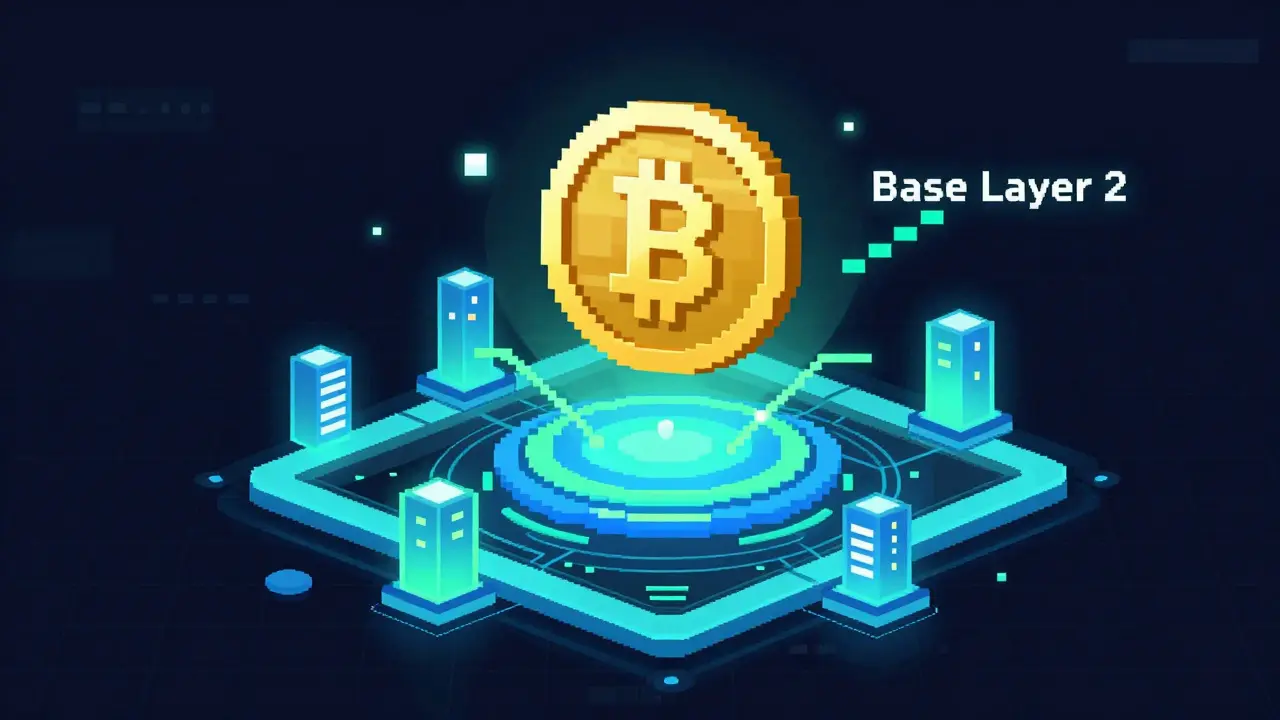
To understand the token, you first need to grasp the road it travels on. The token operates on Base a Layer 2 scaling solution built by Coinbase designed to reduce costs and increase transaction speeds. Base connects directly to Ethereum, inheriting its security benefits while solving its biggest problems: high gas fees and slow confirmation times.
Why does this matter for you as a holder? When you move DOB tokens, you benefit from this architecture. Transactions settle faster than on the main Ethereum network, and the cost is a fraction of a cent in many cases. This efficiency makes the ecosystem ideal for smaller value transactions, like those in a marketplace setting. If you were using a heavy, congested network, daily payments would become too expensive to use practically. Base solves that friction.
Coinbase acts as the backbone here. Their reputation adds a layer of trust to the platform itself, even though the specific DOB project remains independent. This distinction is crucial. The network is robust, but the success of the individual token relies on its own development team and community traction. Do not confuse the stability of the blockchain with the price stability of the token.
Utility and Ecosystem Features
Most tokens promise utility, but few deliver concrete applications. DOB positions itself as a tool for a decentralized e-commerce platform. The vision involves users buying and selling digital or physical goods without traditional middlemen. Imagine a shop online where payments go through smart contracts instead of credit card processors. This setup theoretically removes payment processing fees and chargeback risks associated with centralized systems.
The platform documentation describes features like dispute resolution mechanisms and seller verification processes. In traditional crypto purchases, trust is a massive hurdle. By building verification directly into the protocol, the project aims to lower that barrier. Furthermore, the token serves as a governance vehicle. Holders participate in decisions regarding the future roadmap of the ecosystem. This aligns with the broader principles of Decentralized Finance, often called DeFi.
Tech integration also plays a role. The infrastructure supports frameworks like React and Vue, making it easier for developers to build apps that interact with DOB. They offer temporary preview channels for teams to test changes before deploying live versions. These technical details might sound dry, but they indicate a working product rather than a concept phase. A functioning tech stack suggests long-term intent to support the application, not just pump the price.
Tokenomics and Supply Analysis
Numbers tell a story about scarcity and distribution. The total supply sits at 11 million DOB tokens. Out of this amount, approximately 10 million tokens are currently circulating. The remaining 1 million are likely locked, reserved for future incentives, or held in treasury wallets. Understanding this gap between total and circulating supply helps you calculate the real value at play.
Let’s look at the Fully Diluted Valuation (FDV). This metric assumes all tokens are released and calculates the market value based on that maximum number. Current data shows an FDV around $13,680. Compare this to the current market capitalization, which reflects only the actively trading supply. A significant difference between these two figures usually indicates that there is inflation pressure waiting to happen if the locked tokens eventually unlock.
Ownership distribution is another key metric. There are roughly 1,910 individual addresses holding DOB. While this looks like a decent spread, it represents a relatively small community compared to established giants like Bitcoin or Ethereum. However, for an emerging project on a newer Layer 2 network, this base provides a starting point for organic growth. A concentrated supply (few wallets owning most tokens) creates risk, whereas 1,910 holders suggest some level of decentralization already exists.
| Attribute | Value |
|---|---|
| Total Supply | 11 Million |
| Circulating Supply | 10 Million | Holder Count | 1,910 Addresses |
| Network | Base (Ethereum L2) |
Pricing and Market Realities
When you check the price of any crypto coin, consistency can vary wildly depending on where you look. Data discrepancies exist for DOB across different exchanges. Some platforms list the price closer to $0.000645 per token, while others show figures near $0.000275 USD. These gaps usually stem from different trading pairs, timing delays in data updates, or fragmented liquidity pools.
This variance is a red flag to watch closely. If the price jumps significantly between major trackers, arbitrage opportunities might exist, but they also highlight deep liquidity issues. Recent performance metrics show significant drops over longer timeframes. For instance, losses exceeding 75% over 30-day periods indicate high volatility. Such swings mean the asset behaves aggressively, which increases risk but also heightens potential reward scenarios.
Liquidity remains the biggest constraint. Reports show 24-hour trading volumes near zero on some tracking aggregators. Without consistent volume, buying large amounts becomes difficult without moving the price yourself. You could slip into a trade, meaning you pay much more than the listed price because there aren’t enough buyers on the other side. This lack of depth is typical for early-stage community tokens.
Risks and Due Diligence
Entering the space of low-market-cap tokens requires serious caution. The absence of detailed public technical documentation beyond basic descriptions makes deep auditing challenging. Without comprehensive whitepapers or open-source repositories, you rely heavily on the team’s communication history. Look for active development updates. If the GitHub repository is quiet for months, the project may be stalled despite the hype.
Security is another pillar. Since DOB leverages the Base network, it inherits Ethereum’s security standards. However, the smart contract logic governing the DOB token itself could have vulnerabilities. Always verify that audits have been performed by reputable third parties. Standard SSL certificates and CDN usage mentioned in their infrastructure help secure web applications, but they do not prevent exploits in the token contract itself.
Volatility presents a psychological challenge. Prices fluctuate sharply due to the low float. News affecting the wider Base ecosystem will impact DOB disproportionately more than larger assets. If Coinbase changes policy or Base faces regulatory scrutiny, tokens riding that chain will feel the shockwaves first. Diversification protects you from losing everything in one basket.
Community Engagement and Future Roadmap
The survival of niche crypto projects depends almost entirely on their community. With nearly 2,000 holders, the social dynamic is vital. Projects succeed when holders communicate, discuss upgrades, and vote on proposals. The goal of DOB appears to be fostering this engagement within the Base network specifically. They aim to solidify their presence as the ecosystem matures.
Social initiatives form part of this strategy, although specific voting procedures aren’t always detailed in public docs. This lack of transparency on governance mechanics is common but worth watching. Over time, successful tokens evolve clearer rules for who controls the funds and development direction. Keep an eye on Discord or X (Twitter) channels associated with the project to gauge sentiment and activity levels. A silent community usually predicts failure.
How to Evaluate Potential
If you decide to proceed, apply strict criteria. First, verify the contract address. Scammers often create fake tokens with the same name to steal funds from victims. Double-check the checksum on official documentation. Second, assess the utility. Does the token actually work in the marketplace, or is it purely speculative? Third, manage your position size. Given the volatility and liquidity constraints, keep exposure low until the project proves sustained volume and development activity.
Tech stacks change fast in 2026. Integration capabilities with React or Vue allow for modern dApp creation, but only if developers choose to build on top of it. Adoption requires more than just capability; it needs demand. Watch for real-world usage metrics. Are people actually trading goods using DOB, or just speculating on charts? Real usage is the strongest indicator of long-term value retention.
Where can I buy DOB on Base tokens?
You typically access DOB through decentralized exchanges supported by the Base network or via compatible aggregator platforms. Always verify the specific exchange listing to ensure liquidity exists before attempting a trade.
Is DOB on Base safe to hold?
All crypto holdings carry risk. DOB benefits from the Base blockchain security, but individual token contracts require independent audit checks. Be aware of price volatility and low liquidity risks before investing.
What wallet works with DOB tokens?
Any non-custodial wallet compatible with the Base network, such as MetaMask configured for the Base chain ID, supports DOB storage. Hardware wallets compatible with Ethereum L2s generally work as well.
Does DOB have staking rewards?
Current documentation focuses on marketplace utility rather than staking. Always check the official dashboard or latest whitepaper for updated yield or staking programs.
How does the token affect privacy?
Transactions occur on the public blockchain ledger. While the marketplace offers privacy benefits compared to traditional credit cards, transaction histories remain visible on the Base explorer.


Sean Carr
March 29, 2026 AT 00:39I really appreciate the breakdown on the Base network architecture here. Low gas fees are a massive factor for adoption. It makes microtransactions actually viable for everyday use cases. Many people overlook the speed aspect of Layer 2 solutions. Seeing this token integrate with that infrastructure is promising for utility. Hope the team continues building transparent features for holders.
Lisa Walton
March 30, 2026 AT 14:28Oh great another coin riding the Base hype wave. Probably just another pump and dump disguised as technology. You can smell the marketing budget on this writeup already. Good luck with your bags when the liquidity dries up next week. Typical bull run trap for the unsuspecting retail investors.
Zackary Hogeboom
April 1, 2026 AT 09:52The concerns about liquidity are definitely valid points to consider right now. Market depth on newer tokens is often quite shallow initially. Speculation drives early prices more than actual fundamentals sometimes. We should look past the immediate red flags to understand the roadmap. Governance rights could change the narrative if utilized correctly. Smart contract audits are the minimum standard we must demand. Transparency regarding vesting schedules prevents sudden dumps later. Team allocation wallets often dictate price stability more than supply. Community engagement metrics show organic interest beyond paid shilling. Developer activity on GitHub correlates with long term project survival rates. React integration suggests a focus on usability for general audiences. Decentralized commerce requires trust which is hard to build online. Dispute resolution mechanisms add necessary layers for buyer protection. Verification processes reduce fraud risks compared to traditional methods. Security standards inherit strength from the Ethereum mainnet foundation. Ultimately patience separates profitable traders from those who panic sell constantly.
Callis MacEwan
April 2, 2026 AT 13:58This FDV calculation ignores the inflation pressure from locked tokens completely. Real yield farming opportunities remain unverified against projected revenue. Liquidity provider fees need to cover the opportunity cost of capital. Risk adjusted returns do not justify the exposure levels recommended. Slippage tolerance is critical when entering positions of any significance.
Alex Lo
April 3, 2026 AT 15:21I totally agrre with the point abouy liquidity being teh biggest risk factor right now. Its kinda sad how people chage into these coins expecting moon shots immediately without due dilligence done properly. Teh volatility is insane and i feel like most dont even read teh docs before buyin. You gona slip badly on your entry if the order book is thin at all. Plus gas fees might spike if base gets congested during a bull run event again. We need better slippage setting defaults on wallets to protect regular users from getting rekt. Maybe staking would help lock supply but current docs dont mention yield clearly enough for me. Just hope the dev team isnt planning some kind of dump on early supporters soon. Anyway good luck everyone trying to navigate this mess in my opinion.
Michael Nadeau
April 4, 2026 AT 15:30The philosophical question remains whether true decentralization is possible with centralized custodians. Trust assumptions underlie every block we verify on these chains. Our reliance on intermediaries contradicts the original ethos of Bitcoin entirely. Power dynamics shift whenever a large player sponsors a protocol development. Ethical consumption involves scrutinizing the source code not just the marketing pitch. Values align when governance is distributed among genuine stakeholders rather than whales.
Disha Patil
April 4, 2026 AT 18:52Please someone stop acting like this is normal money behavior its so crazy. Why does everyone trust a whitepaper written by anonymous people anyway? This feels like another disaster waiting to unfold publicly soon. My heart hurts watching people throw away savings blindly like this. Just imagine waking up tomorrow and the token is worth nothing completely. Drama aside we all know this market hates the little guy specifically.
Joy Crawford
April 6, 2026 AT 14:15i feel so much worry reading this stuff :< maybe i should just stay away from charts entirely lol honestly the risk is huge right now :( hope nobody loses their rent money on this one xoxo please stay safe everyone!!
Lisa Miller
April 7, 2026 AT 21:44Hey there I know it feels scary but there is always a chance for recovery. Small communities grow strong bonds when they communicate openly together. I believe in the tech potential if managed by responsible developers. Just take small steps and keep learning as you go along. Positive vibes help us navigate uncertainty better sometimes. Stay optimistic while managing your risk appropriately.
Alex Kuzmenko
April 9, 2026 AT 08:25I thnk teh community shoudl focus on verifing contracts first. It is impoortant to avoid scammers who copy tickers easily. Dont rush in becaue of fear of missing out on gains. Safety comes before profit in my humble opinion always. Plese double check everything before moving funds around.
Tiffany Selchow
April 10, 2026 AT 06:00Total rug pull incoming sooner than you think.
Beverly Menezes
April 11, 2026 AT 10:31Everyone just needs to calm down and breathe deeply today. Scared reactions often lead to bad financial choices quickly. We can learn from history without being consumed by fear entirely. Kindness helps us share useful information for free supportively.
Ronald Siggy
April 12, 2026 AT 12:26You cannot ignore the fundamental weaknesses in the current tokenomics structure. Assertive measures are required to secure your assets independently. Relying on others creates unnecessary vulnerability in volatile markets. Vigilance is the highest form of self-protection against bad actors. Secure your private keys and never share seed phrases ever.
Cara Boyer
April 12, 2026 AT 23:02It is obvious that centralised entities are pulling the strings behing this scheme. Regulatory oversight is merely theater for the masses to believe freedom exists. They watch our transactions through blockchain explorers constantly. Trust no official documentation without verifying cryptographic proofs independently yourself. Freedom requires absolute separation from government approved infrastructure. Beware of digital ID requirements that compromise privacy totally. :) We must resist this encroachment on personal liberty immediately.