Imagine if your home Wi-Fi router could pay you to help build a city-wide internet network. Or if the solar panels on your roof automatically sold excess energy to your neighbor without a middleman taking a cut. This isn't science fiction anymore. It is the core promise of Decentralized Physical Infrastructure Networks, also known as DePIN. By 2026, this concept has moved from niche crypto experiments to a serious contender in how we build and manage real-world assets.
Traditional infrastructure-like telecom towers, power grids, and data centers-is expensive, slow to deploy, and controlled by a handful of giant corporations. DePIN flips this model. It uses blockchain technology and token incentives to let everyday people contribute physical resources like bandwidth, storage, or energy. In return, they get paid in cryptocurrency. The result? Faster deployment, lower costs, and ownership distributed among the users rather than locked up in corporate vaults.
How DePIN Actually Works
To understand where DePIN is going, you first need to grasp the mechanics driving it today. At its heart, DePIN relies on three main components: physical hardware, a blockchain ledger, and a token economy.
First, there is the hardware. Unlike pure software protocols, DePIN requires tangible devices. These could be wireless hotspots, hard drives for storage, sensors for environmental monitoring, or electric vehicle charging stations. Individuals buy or lease this equipment and place it in their homes, businesses, or vehicles.
Second, the blockchain acts as the coordinator. When your device provides service-say, storing a file or broadcasting a signal-the network records this contribution on an immutable ledger. Smart contracts verify that the work was done correctly. There is no central server deciding who gets paid; the code handles it automatically.
Third, tokens provide the incentive. If there were no financial reward, why would anyone plug in a device and leave it running? Tokens align the interests of providers and consumers. Providers earn tokens for contributing resources, while consumers spend tokens to access those services. This creates a self-sustaining marketplace.
| Feature | Traditional Centralized Model | DePIN Model |
|---|---|---|
| Ownership | Corporations or Governments | Distributed Network Participants |
| Deployment Speed | Slow (Years for permits/building) | Fast (Days/Weeks for individual setup) |
| Cost Structure | High CapEx, passed to consumers | Lower CapEx, shared risk/reward |
| Governance | Top-down management | Token-based voting (DAOs) |
| Transparency | Opaque internal processes | Public blockchain ledgers |
Key Sectors Driving Adoption in 2026
By mid-2026, several sectors have matured enough to show real-world utility. While early adopters focused heavily on telecommunications, the scope has widened significantly.
Telecommunications: This remains the crown jewel of DePIN. Projects like Helium a pioneering decentralized telecom network demonstrated that individuals could build cellular coverage by placing small antennas in their windows. In 2026, these networks are increasingly partnering with major mobile carriers to fill dead zones in rural areas or dense urban centers where traditional tower placement is too costly.
Storage and Compute: As AI demands explode, so does the need for computing power and data storage. Filecoin a decentralized storage protocol allows users to rent out unused hard drive space. Similarly, compute networks let GPU owners sell processing power to AI developers. This democratizes access to high-performance computing, which was previously restricted to massive data centers owned by tech giants.
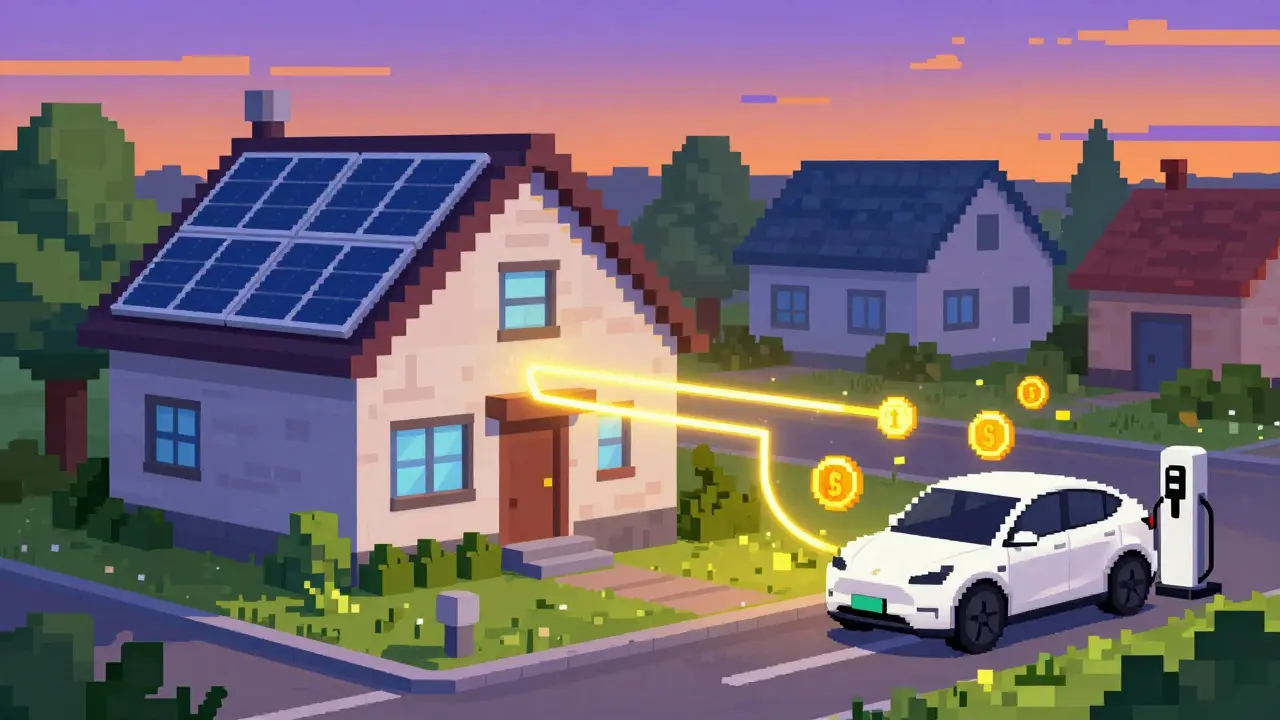
Energy Grids: Renewable energy is inherently decentralized. Solar panels and wind turbines are scattered across millions of properties. DePIN projects like Arkreen focused on decentralized green energy networks enable peer-to-peer energy trading. If your solar panel produces more power than you need, smart contracts can automatically sell that surplus to a neighbor’s electric car charger, bypassing the utility company’s markup.
Mobility and EV Charging: Electric vehicle adoption has surged globally. However, building public charging infrastructure is capital-intensive. DePIN models incentivize homeowners and businesses to install chargers and share them via apps. Drivers pay in tokens, and hosts earn passive income, accelerating the rollout of charging points without government subsidies.
The Challenges Holding DePIN Back
It is easy to get swept up in the hype, but DePIN faces significant hurdles. Ignoring these challenges would be irresponsible. The technology is promising, but it is not yet perfect.
Hardware Quality and Consistency: In a centralized network, engineers ensure every tower meets strict standards. In a decentralized network, thousands of individuals set up devices. Some may place them poorly, leading to inconsistent service quality. Ensuring reliability when you don’t control the hardware is a massive engineering challenge.
Regulatory Uncertainty: Governments are still figuring out how to classify DePIN tokens. Are they securities? Utilities? Commodities? In 2026, regulations vary wildly by region. The UK, EU, and US are all drafting different frameworks. For participants, this means legal risk. If a token is deemed an unregistered security, earnings could be jeopardized.
Token Volatility: Most DePIN rewards are paid in native cryptocurrencies. Crypto markets are notoriously volatile. A user might earn $50 worth of tokens one day, only to see that value drop to $10 the next. This unpredictability makes it hard for serious infrastructure providers to plan long-term budgets.
User Experience Complexity: Setting up a DePIN node often requires technical knowledge. You need to configure wallets, understand gas fees, and troubleshoot hardware connectivity. Until the interface becomes as simple as plugging in a printer, mass adoption will remain limited to tech-savvy early adopters.
What the Next Five Years Look Like
Looking ahead from June 2026, the trajectory for DePIN points toward integration rather than isolation. We are moving past the phase where DePIN exists as a separate, parallel system. Instead, it is beginning to weave into existing infrastructure.
Hybrid Models Will Dominate: Pure decentralization is idealistic, but hybrid approaches are practical. Expect to see traditional companies using DePIN layers to extend their reach. A major telecom provider might use its own towers for core coverage but rely on a DePIN network to handle peak loads or remote areas. This reduces costs for the corporation and increases demand for DePIN providers.
Stablecoin Integration: To solve volatility issues, many networks are shifting toward stablecoin payouts or dual-token systems. One token governs the network, while another (pegged to fiat currency) pays for services. This brings stability and makes DePIN viable for commercial enterprises that cannot afford crypto swings.
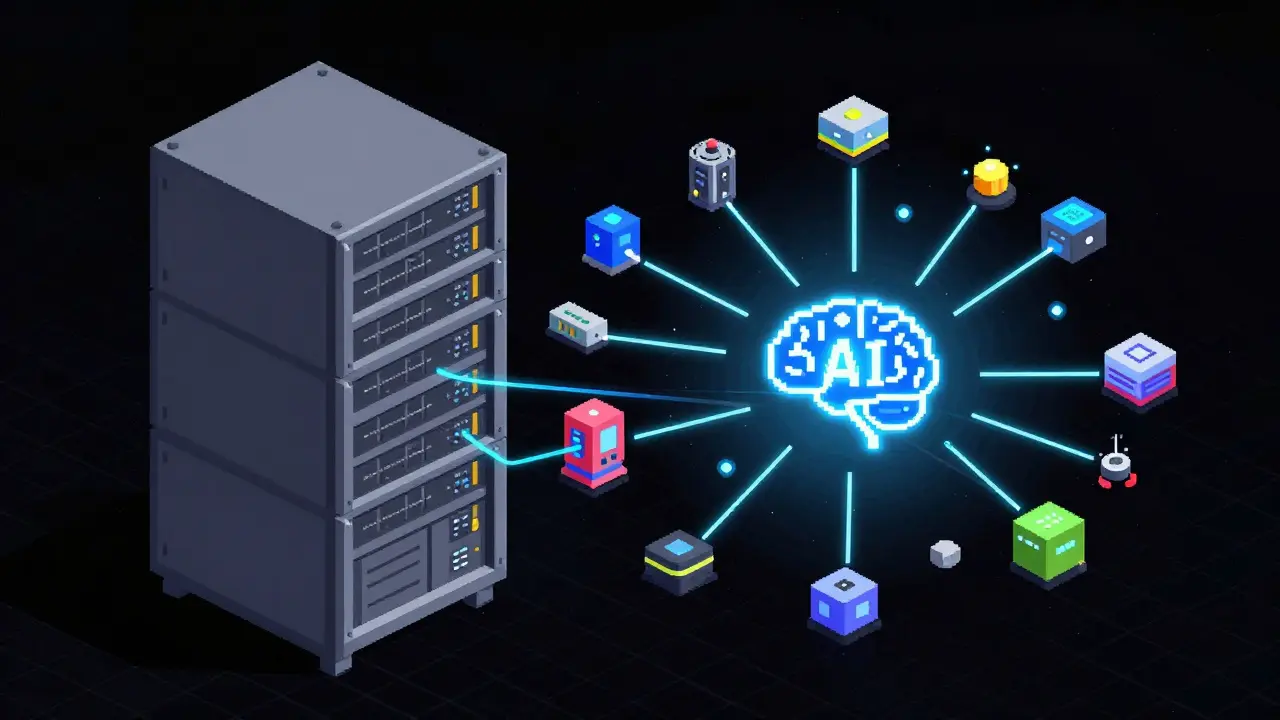
AI-Driven Optimization: Artificial intelligence will play a crucial role in managing decentralized chaos. AI agents will automatically route traffic, optimize energy distribution, and detect faulty hardware in real-time. This reduces the manual oversight required from individual node operators, lowering the barrier to entry.
Regulatory Clarity: By 2030, most major economies will likely have clear guidelines for DePIN. This won’t stifle innovation; it will legitimize it. Institutional investors, who have been waiting on the sidelines due to regulatory fear, will enter the market, bringing capital and professional management practices.
Should You Get Involved?
If you are considering joining a DePIN network, do your homework. It is not a "set and forget" investment like a savings account. It requires active participation and technical diligence.
- Start Small: Don’t buy ten hotspots at once. Start with one unit to understand the maintenance requirements and actual earnings potential in your specific location.
- Check Local Regulations: Ensure that operating a mini-cell tower or selling energy peer-to-peer is legal in your municipality.
- Understand Tokenomics: Read the whitepaper. How are tokens emitted? Is there a cap? Who holds the majority supply? If the team controls 50% of the tokens, your earnings could be diluted.
- Join Communities: Discord and Telegram groups are invaluable. Real users share troubleshooting tips and honest feedback about hardware reliability.
The future of infrastructure is not just about better technology; it is about better economics. DePIN offers a path where the people who build and maintain the infrastructure also own and benefit from it. While the road is bumpy, the destination-a more open, efficient, and democratic physical world-is worth the journey.
Is DePIN safe to invest in?
DePIN carries higher risks than traditional investments. Hardware can fail, tokens can lose value, and regulations can change. It is best suited for individuals who understand blockchain technology and can afford to lose their initial capital. Never invest money you cannot spare.
How much money can I make with DePIN?
Earnings vary wildly based on location, hardware type, and network demand. A hotspot in a busy city center might earn significantly more than one in a rural area. Early adopters often saw higher returns, but as networks mature, rewards typically decrease due to increased competition. Treat it as supplementary income, not a primary salary.
What is the difference between DePIN and Web3?
Web3 is a broad term for the decentralized internet, focusing on digital assets and identity. DePIN is a specific subset of Web3 that bridges the digital blockchain world with physical hardware. While Web3 deals with data and tokens, DePIN deals with tangible resources like bandwidth, energy, and storage.
Do I need technical skills to run a DePIN node?
Basic technical skills are helpful. You should be comfortable setting up Wi-Fi, configuring IP addresses, and using cryptocurrency wallets. However, many newer projects are simplifying the process with plug-and-play hardware and guided mobile apps. The learning curve is steepening for beginners but improving over time.
Which DePIN projects are the most established?
As of 2026, Helium leads in telecommunications, Filecoin dominates decentralized storage, and projects like Arkreen are gaining traction in energy. Always research current market caps, active node counts, and community sentiment before choosing a project, as the landscape shifts rapidly.