Korean Crypto Exchange: Reviews, Security, Fees & Regulations
When talking about Korean crypto exchange, a digital platform based in South Korea that lets users buy, sell and trade cryptocurrencies under local law. Also known as South Korean crypto exchange, it operates within a tight regulatory framework that aims to protect investors and prevent money‑laundering. This framework, referred to as crypto exchange regulation, the set of rules issued by the Korean Financial Services Commission and related bodies governing licensing, KYC/AML and reporting requirements, shapes everything from the fee structure to the security measures a platform must adopt. In practice, a Korean crypto exchange encompasses compliance, user protection and market accessibility, creating a unique landscape that differs from global counterparts.
Key Areas Covered
One of the biggest draws for traders is how an exchange handles security. The concept of exchange security, the combination of technical safeguards, custodial solutions and surveillance tools used to protect user funds and data is non‑negotiable. Strong security requires cold‑storage wallets, multi‑factor authentication and regular penetration testing—without these, even the best‑priced platform can become a liability. At the same time, the fee model—captured under trading fees, the charges applied to each buy, sell or swap transaction, often expressed as a percentage of trade volume—directly influences user adoption. Low fees can boost liquidity, while hidden costs may deter institutional players. The relationship is clear: exchange security influences trust, trading fees affect competitiveness, and both are governed by crypto exchange regulation.
Beyond the technical and cost aspects, the Korean market itself adds a layer of nuance. South Korea’s crypto audience is tech‑savvy, heavily mobile‑oriented, and increasingly interested in institutional‑grade products like futures and options. Platforms that can blend robust security, transparent fee structures and full regulatory compliance tend to attract both retail and institutional traders. This dynamic creates a feedback loop: stricter regulation drives better security practices, which in turn encourage higher trading volumes and more sophisticated product offerings. As you explore the articles below, you’ll see how each review touches on these three pillars—regulation, security, and fees—giving you a clear picture of which Korean crypto exchange fits your strategy.
OKX Korea Review: Fees, Security, and How to Trade in South Korea
By Robert Stukes On 15 Sep, 2025 Comments (14)
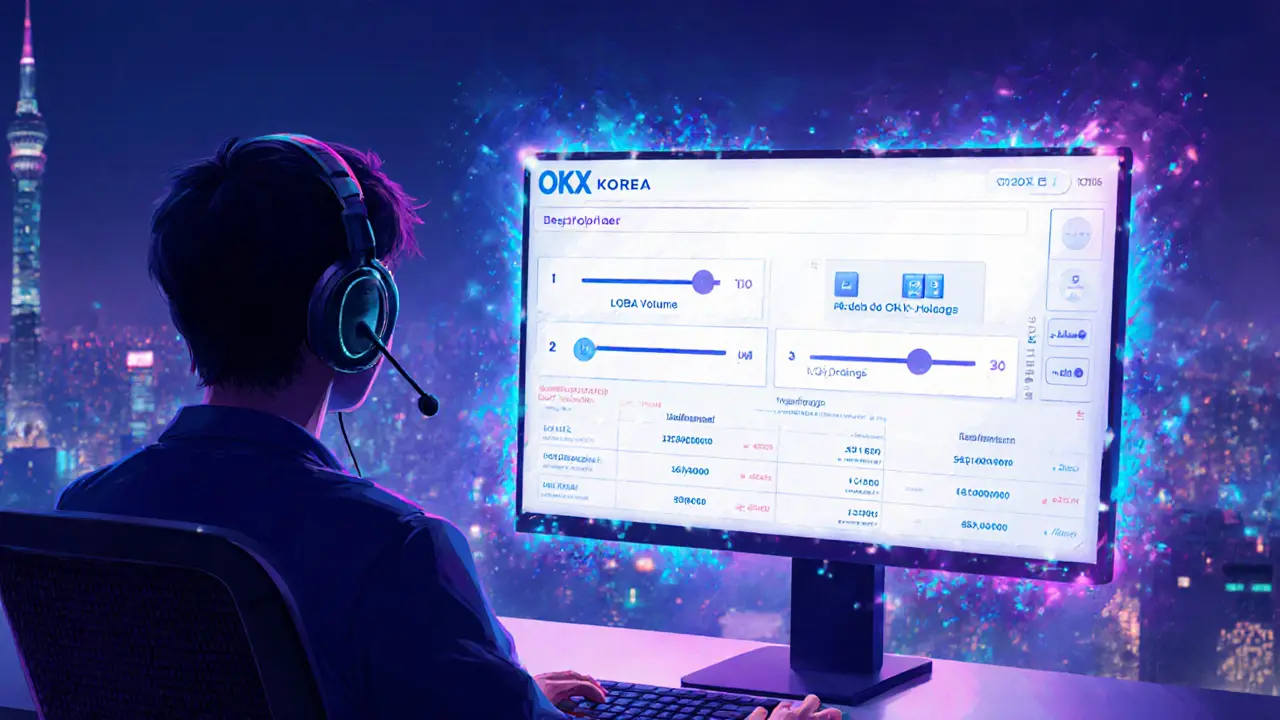
A detailed OKX Korea review covering fees, security, KRW support, account setup, pros and cons, and a comparison with local exchanges for South Korean traders.
View More