JetSwap Review: A Deep Look at the BSC DEX
When exploring JetSwap, a decentralized exchange built on Binance Smart Chain that enables instant BEP‑20 token swaps. Also known as JETS, it blends low‑fee trading with a straightforward user interface, making it a favorite for traders seeking speed without high gas costs.
This platform is a classic example of a Decentralized Exchange, a peer‑to‑peer marketplace that operates without a central order book. It relies on an Automated Market Maker, a smart‑contract algorithm that sets prices based on pool reserves rather than matching buyers and sellers. Because of that, JetSwap requires liquidity providers to deposit token pairs into Liquidity Pools, shared reserves that fund every swap and generate fees for contributors. The interaction between these entities forms a clear chain: JetSwap encompasses token swaps, the AMM model powers price discovery, and liquidity pools supply the capital that makes each trade possible. In practice, higher pool depth reduces slippage, while active market makers keep fees competitive.
What You’ll Find in This Collection
Below you’ll see a curated set of articles that dig into every angle of JetSwap. From security audits and fee structures to real‑world use cases on Binance Smart Chain, the posts break down how the AMM works, what incentives attract liquidity providers, and which trading strategies perform best. Whether you’re a newcomer curious about how DEXs differ from centralized platforms, or an experienced trader looking for fee‑saving tips, the upcoming guides give actionable insights you can apply right away. Armed with this context, you’ll be ready to evaluate JetSwap’s strengths, spot its weaknesses, and decide if it fits your portfolio.
JetSwap (Polygon) Review: Features, Security, and How It Stacks Up Against Other DEXs
By Robert Stukes On 11 Oct, 2025 Comments (24)
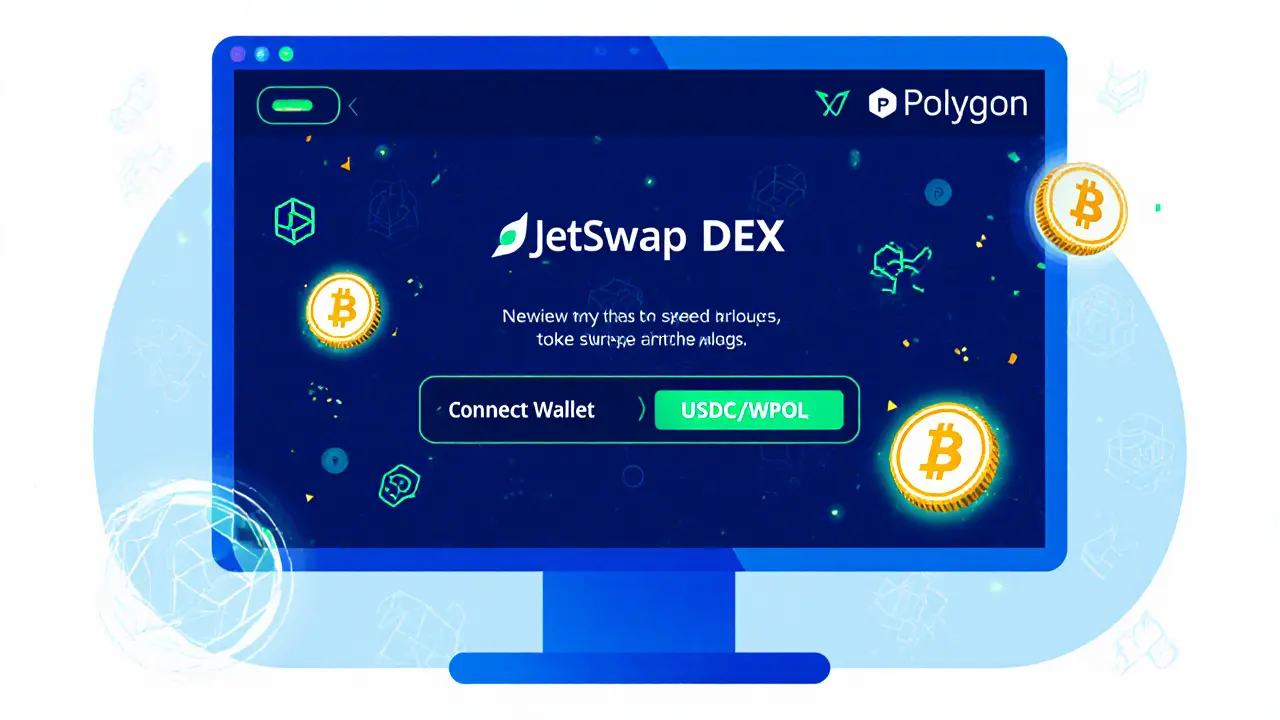
A detailed JetSwap (Polygon) review covering features, security, how to start trading, tokenomics, and a side‑by‑side comparison with top Polygon DEXs.
View More