How to Claim Crypto Airdrops – Step‑by‑Step Guides & Tips
When working with how to claim, the step‑by‑step process for securing free tokens from blockchain projects. Also known as claiming methods, it matters for anyone chasing airdrops. An airdrop, a distribution event where a project sends free tokens to qualified wallets is the most common scenario. The token claim, the actual act of receiving those free assets into your wallet follows a set of rules. Finally, eligibility, the criteria that determine who can participate in an airdrop drives everything from KYC checks to holding specific tokens.
Why does how to claim matter? Because a missed step can lock you out of a valuable reward. The claim process encompasses three core actions: verify eligibility, complete required tasks, and submit the claim transaction. Each action links to a distinct entity. For example, eligibility influences which wallets can receive the airdrop, while the claim transaction relies on a compatible blockchain wallet. If you ignore any link in this chain, the airdrop payout fails.
Key Elements of a Successful Claim
First, confirm you meet the eligibility criteria. Projects often require you to hold a certain token amount, join their Telegram, or complete a short survey. These requirements are publicly listed on the project's official channels. Once you satisfy them, the next step is to prepare a wallet that supports the token’s blockchain—Ethereum, Solana, or Polygon are common choices. Your wallet must be able to sign transactions, so hardware wallets or reputable software wallets like MetaMask or Phantom are preferred.
Second, follow the claim instructions exactly. Some projects use a simple button on their website that triggers a smart‑contract call; others ask you to fill a Google Form and then manually send an address to the team. In either case, the claim transaction is a blockchain operation that records your receipt of the new tokens. Make sure you have enough native gas (ETH, SOL, MATIC) to pay for the transaction fee; otherwise the claim will sit pending forever.
Third, monitor the distribution timeline. Airdrops can be released in phases, and many projects impose a claim window of 24‑72 hours. Missing that window means you lose the tokens permanently. Set a reminder, keep an eye on the project's social media, and double‑check the claim status on block explorers like Etherscan. If the token appears in your wallet after the claim, you’re done; if not, reach out to the project's support channel with your transaction hash.
Being aware of common pitfalls can save you time and frustration. A frequent mistake is using a wallet that doesn’t support the token’s standard (ERC‑20 vs. SPL). Another is ignoring gas price spikes, which make the claim prohibitively expensive. Finally, watch out for phishing sites that mimic legitimate claim pages—always verify the URL and use bookmarks from official sources.
Beyond simple airdrops, the same claim fundamentals apply to token launches, liquidity mining rewards, and even NFT drops. Each of these uses a claim mechanism that ties back to eligibility verification, wallet compatibility, and transaction submission. By mastering the core steps, you’ll be ready for any future distribution event the crypto world throws at you.
Now that you understand the full landscape of how to claim, you can dive into the detailed guides below. From DeFi lending interest models to specific airdrop walkthroughs, the articles ahead break down each process with screenshots, code snippets, and real‑world examples. Explore the collection to sharpen your claiming skills, avoid common errors, and make the most of every free token opportunity.
MoMo KEY (KEY) Airdrop Details 2025 - What You Need to Know
By Robert Stukes On 9 Oct, 2025 Comments (25)
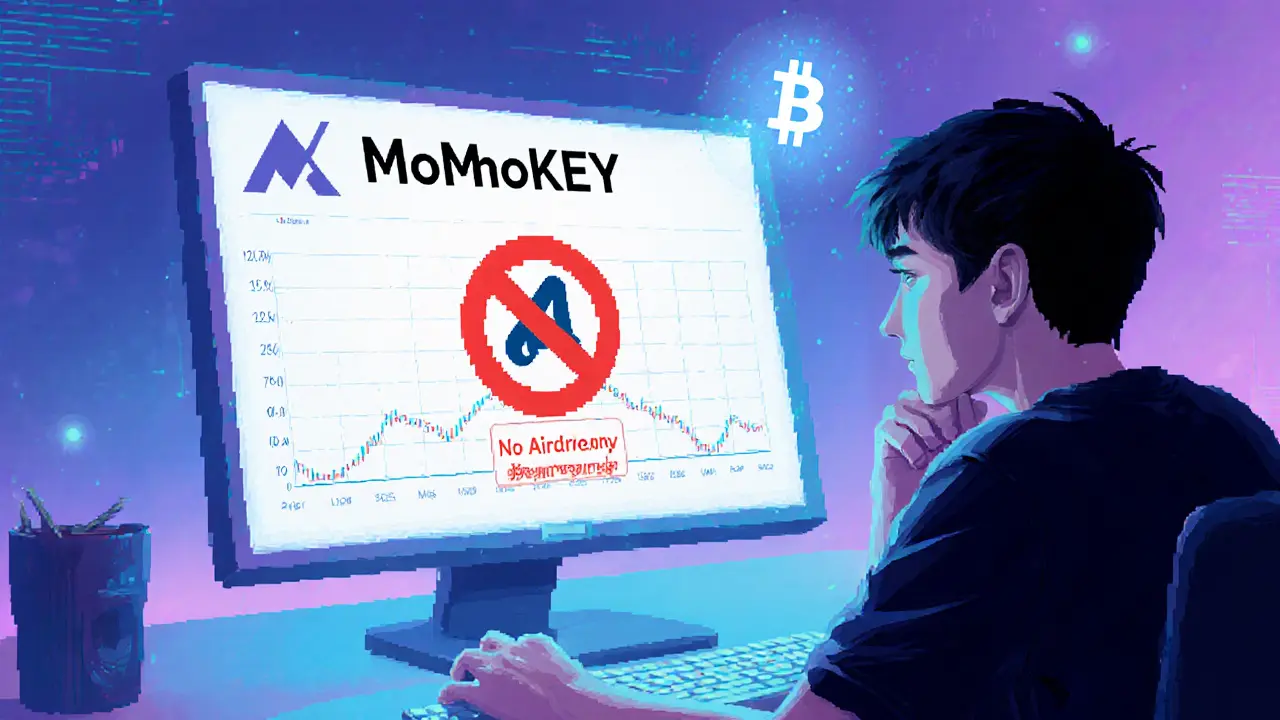
Explore whether a MoMo KEY (KEY) airdrop exists, how to verify legitimacy, claim steps, and compare it with other Momo projects. Get risks, liquidity info, and FAQs.
View More