Blockchain: Real‑World Insights, Tools & Trends
When working with Blockchain, a distributed ledger technology that records transactions across many computers. Also known as Distributed Ledger, it powers everything from crypto coins to supply‑chain tracking, enabling trust without a central authority. Blockchain isn’t just hype; it reshapes finance, gaming, and data storage by letting anyone verify a record in seconds. This page pulls together the most useful guides, reviews, and deep dives to help you understand how the tech works today and where it heads tomorrow.
One of the fastest ways to boost transaction speed is through State Channels, off‑chain pathways that let participants settle multiple transactions instantly and cheaply. Also called Layer‑2 payment channels, they keep most activity off the main chain, only posting the final result. State channels are perfect for gaming micro‑payments, frequent trading, or any use case where latency matters. By reducing on‑chain load, they help the network stay cheap and fast, a crucial advantage as demand grows.
When you hear folks talk about network security, they often point to the Hash Rate, the total computational power used to mine blocks in a proof‑of‑work network. Also referred to as mining power, a high hash rate means more miners are defending the chain, making 51% attacks costly and unlikely. Investors watch hash rate trends to gauge a blockchain’s health, while developers use it to adjust difficulty and reward structures. In short, hash rate is the pulse that shows how robust a proof‑of‑work system really is.
Another key scaling method is Rollup Technology, a layer‑2 solution that bundles many transactions into a single proof posted on‑chain. Also known as Rollups, it comes in two flavors: ZK (zero‑knowledge) and Optimistic. Both dramatically cut fees and boost throughput, yet they differ in how they verify data. Rollups are rapidly becoming the go‑to choice for DeFi platforms that need speed without sacrificing security.
Beyond these core concepts, the ecosystem is full of related ideas that influence how blockchain is used. Token utility, for example, determines how a token’s features—like staking, governance, or fee discounts—drive real economic value. Understanding tokenomics helps you spot projects with sustainable models versus hype‑driven tokens. Meanwhile, NFT storage solutions such as IPFS, Arweave, and Filecoin ensure that digital collectibles remain accessible forever, addressing the permanence problem that early NFTs faced.
Hard forks and soft forks represent another critical dimension of blockchain evolution. A hard fork creates a permanent split, requiring all participants to upgrade, while a soft fork is backward compatible, allowing gradual adoption. Knowing the differences helps investors anticipate price volatility and developers plan upgrade paths. Similarly, DAO governance tokens empower communities to vote on protocol changes, funding, and strategic direction, turning token holders into active decision‑makers.
All these topics—state channels, hash rate, rollups, token utility, NFT storage, forks, and DAO governance—interact to shape the blockchain landscape. In the collection below you’ll find hands‑on reviews of exchanges, deep dives into specific technologies, and practical guides for navigating regulation and tax implications. Dive in to sharpen your knowledge, find tools that fit your workflow, and stay ahead of the curve as the blockchain world continues to evolve.
Ethereum: The Leading Smart Contract Platform
By Robert Stukes On 29 Jan, 2026 Comments (15)
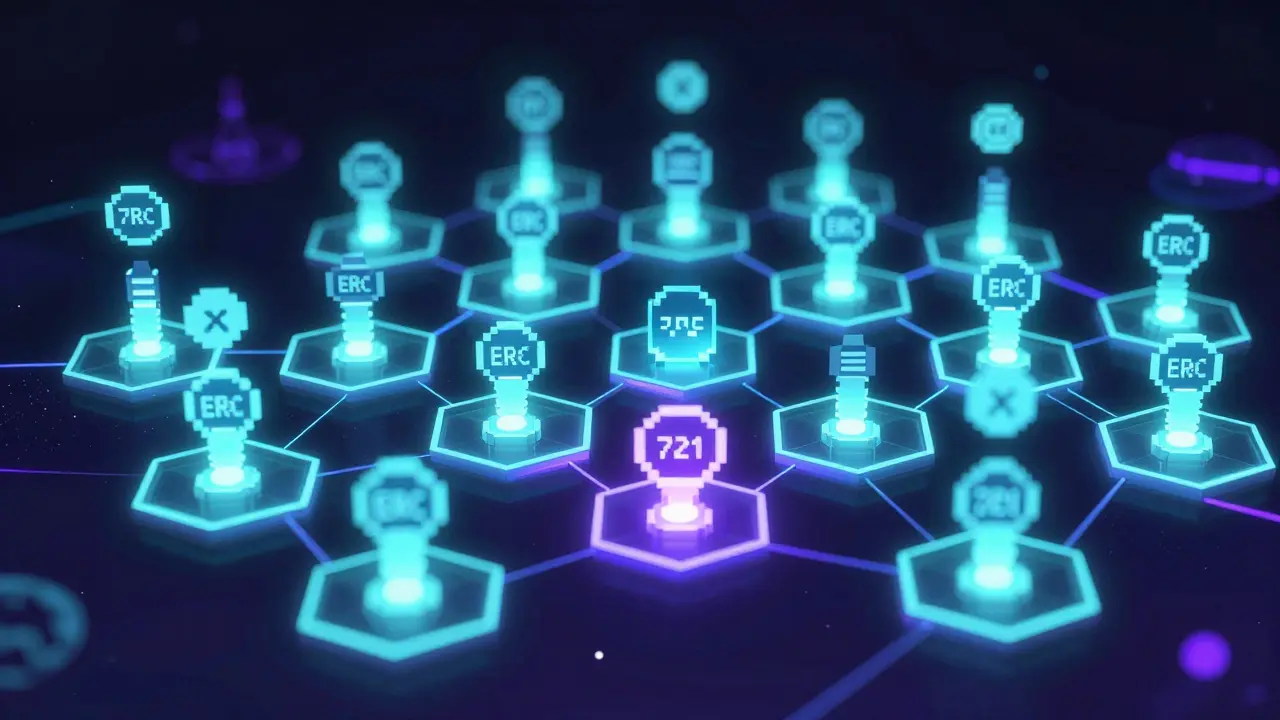
Ethereum is the leading smart contract platform, powering millions of decentralized apps, DeFi protocols, and NFTs. With its secure, developer-friendly ecosystem and ongoing upgrades, it remains the backbone of the blockchain economy.
View MoreWhat Are Decentralized Exchanges? A Clear Guide to Peer-to-Peer Crypto Trading
By Robert Stukes On 11 Jan, 2026 Comments (25)

Decentralized exchanges let you trade crypto without intermediaries, using smart contracts instead of banks. Learn how DEXs like Uniswap work, their risks, how they compare to CEXs, and whether they're right for you.
View MoreNFTs for Product Authenticity: Tracking & Counterfeit Prevention
By Robert Stukes On 6 Oct, 2025 Comments (21)

Learn how NFTs create tamper‑proof product passports, enable instant smartphone verification, and protect luxury goods from counterfeiting.
View MoreCryptocurrency Explained: Complete Beginner’s Guide
By Robert Stukes On 30 Jun, 2025 Comments (13)
A plain‑English guide that defines cryptocurrency, explains Bitcoin and Ethereum, shows how to buy securely, and offers beginner‑friendly investing tips.
View MoreTheta Network (THETA) Explained: How the Crypto Coin Powers Decentralized Video Streaming
By Robert Stukes On 28 Feb, 2025 Comments (14)
Learn what Theta Network (THETA) is, how its dual-token system works, the three‑tier node architecture, real‑world partnerships, and ways to earn crypto by staking or running an Edge Node.
View More