Have you heard the buzz about the BlockSwap Network StakeHouse NFT airdrop? If you’ve been scrolling through crypto Twitter or Discord channels lately, you might have seen claims about free tokens, exclusive NFTs, and massive yields. It’s easy to get swept up in the excitement, but let’s cut through the noise. The reality of this specific airdrop is more nuanced than the hype suggests. This guide breaks down exactly what BlockSwap is, what the StakeHouse mechanism actually does, and whether there is a legitimate NFT airdrop opportunity for you right now.
First, we need to separate fact from fiction. BlockSwap Network is not a new meme project popping up overnight. It is an established Web3 infrastructure layer focused on multichain composability for Ethereum. However, details regarding a specific "StakeHouse NFT airdrop" are scarce in official documentation. Most recent campaigns have focused on fungible token distributions (CBSN) rather than non-fungible tokens. Understanding this distinction is crucial before you connect your wallet or spend any gas fees.
What Is BlockSwap Network?
To understand the value of any potential reward, you first need to understand the platform itself. BlockSwap Network is a permissionless web3 infrastructure layer that facilitates multichain composable ETH and modular Ethereum blockspace. Launched with its Token Generation Event (TGE) on April 26, 2021, it has been operating for several years. Unlike many newer projects that promise the moon and vanish, BlockSwap has a track record of development and funding.
The network raised $7 million across four completed funding rounds. This capital supports their mission: onboarding everyday users to Proof of Stake (PoS) chains by providing stable yield. Their goal isn’t just to serve hardcore DeFi degens; they want to connect mainstream finance with decentralized protocols. They achieve this through products like OpenSaver, which aims to provide a 7% USD yield on native currencies without complex crypto hurdles.
The native token of this ecosystem is CBSN the utility token of BlockSwap Network. Here is where things get interesting from a data perspective. While the total supply is capped at 5 billion tokens, with 500 million minted for the TGE, CoinMarketCap currently lists the circulating supply as zero. This doesn’t mean the token doesn’t exist; it often indicates low liquidity, lack of listing on major centralized exchanges, or that most tokens are held in vesting contracts or private wallets. For anyone looking to sell rewards quickly, this liquidity profile is a critical factor to consider.
The StakeHouse Mechanism Explained
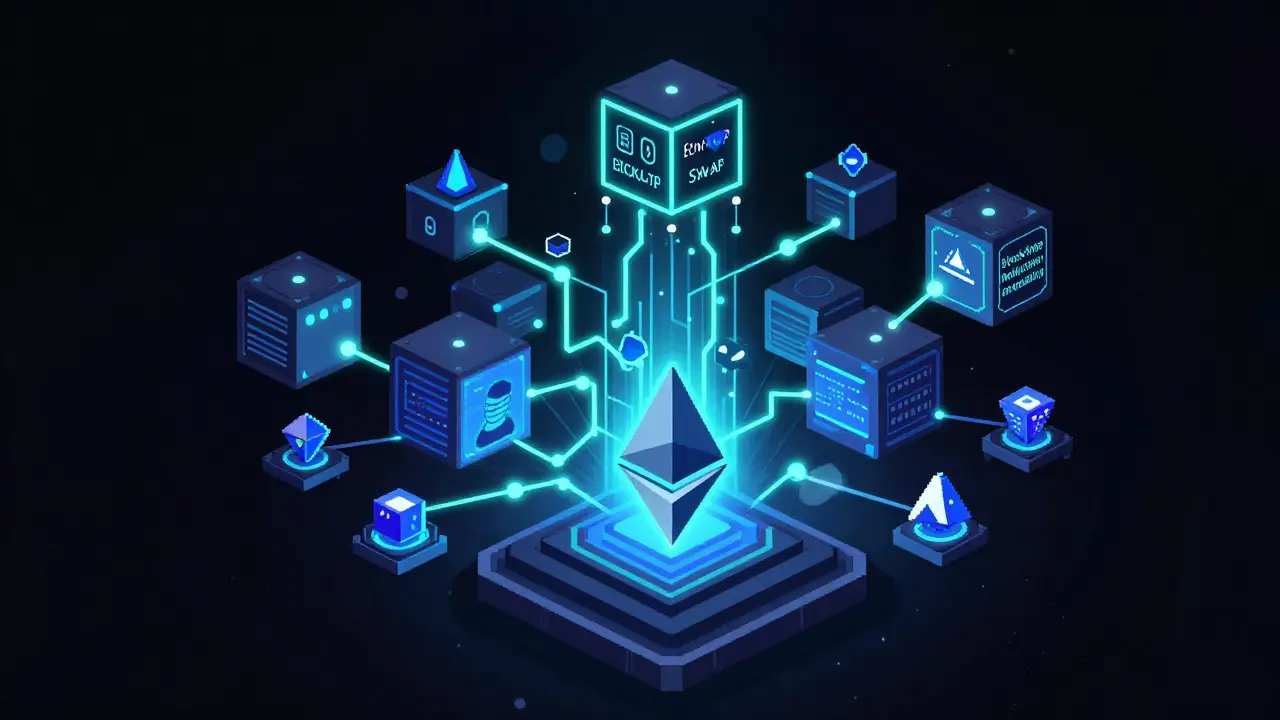
You can’t understand the airdrop without understanding the product it’s tied to: StakeHouse a decentralized liquid staking platform within the BlockSwap ecosystem. StakeHouse is described as a revolutionary protocol that brings an automated coordination layer to Ethereum for staked ETH2 liquidity. In simpler terms, it makes staking easier and more flexible.
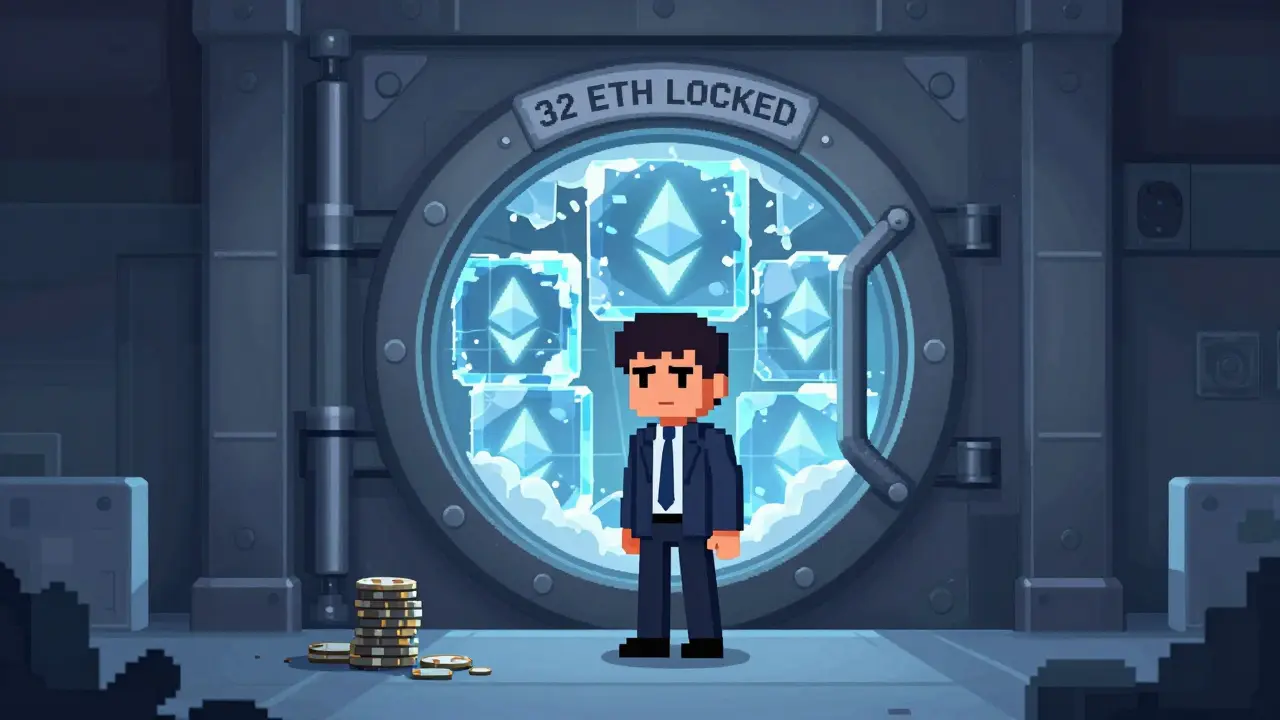
Traditionally, staking Ethereum requires 32 ETH and running a validator node, which is expensive and technical. StakeHouse abstracts this complexity. It uses smart contracts to manage staked assets trustlessly, allowing users to access liquidity via ERC20 tokens. This is known as Liquid Staking. Instead of locking your ETH away for months, you receive a representative token that you can use in other DeFi protocols while still earning staking rewards.
A key component here is the SHB token StakeHouse Batch token used for minting batches in the CommunityNet. These are batch minter tokens with native yield. They are exclusive to minting "Batches" for Stakehouses in the BlockSwap CommunityNet. Each batch represents a simulated 32 ETH deposit. This simulation allows the protocol to stress-test contracts in real-time environments without risking actual mainnet funds during early testing phases. Currently, SHB tokens are not listed on major exchanges like CoinGecko, meaning you cannot easily trade them for fiat or other cryptocurrencies.
The Truth About the NFT Airdrop
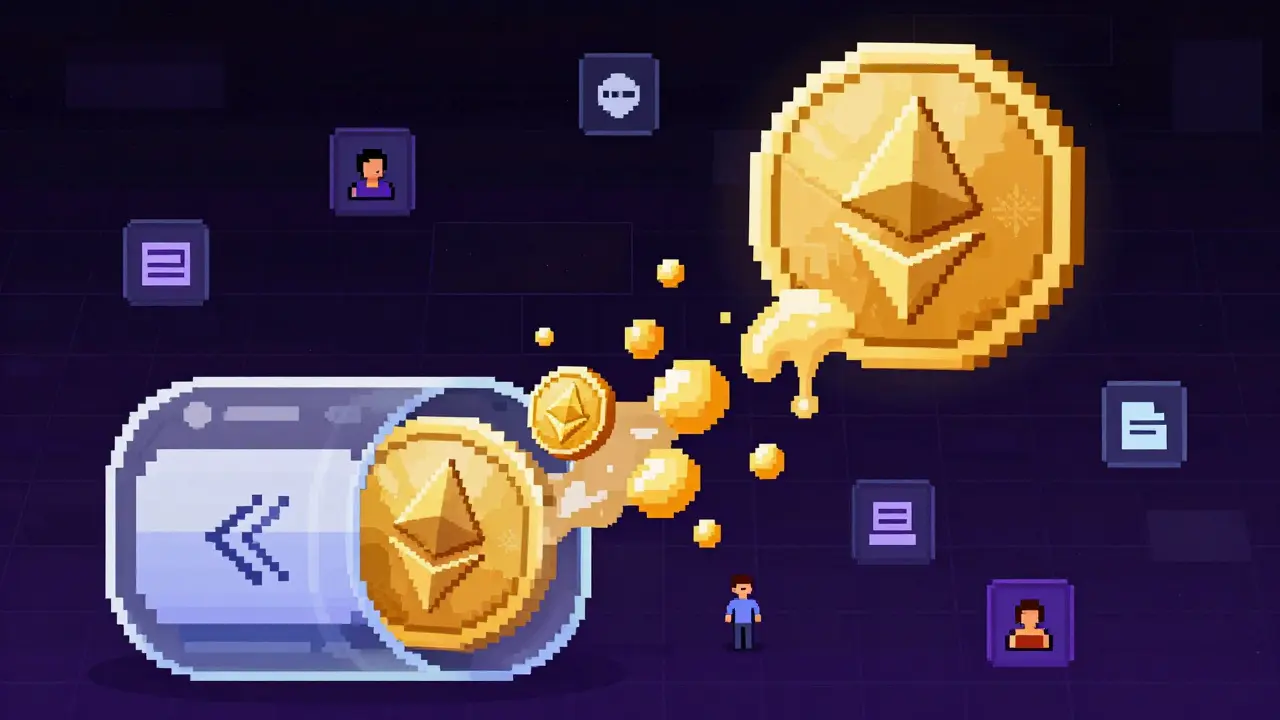
Now, let’s address the elephant in the room: the NFT airdrop. There is significant confusion in the community because BlockSwap has run multiple campaigns, but they look different.
Historically, BlockSwap conducted airdrop campaigns with prize pools worth approximately $2,500 in cBSN tokens. These were specifically targeted at participants in the StakeHouse CommunityNet. If you were active in these testnets or beta programs, you may have received these fungible tokens. However, there is no widespread, public announcement of a generic "StakeHouse NFT" drop available to everyone who joins today.
Some sources mention ICOmarks listings offering small amounts of coins (around 100 coins valued near $0), but these are typically marketing gimmicks rather than valuable asset distributions. The absence of clear information regarding upcoming NFT-specific drops suggests one of two things:
- It was a limited campaign: The NFT distribution may have already concluded for a select group of early testers.
- It is unannounced: Major airdrops are usually teased weeks in advance on official social channels to build anticipation.
If you see someone selling "guaranteed" entry to a BlockSwap NFT airdrop, be extremely cautious. Scammers often create fake landing pages that mimic official designs to steal seed phrases or drain wallets. Always verify links through the official BlockSwap website or their verified Twitter account.
How to Participate Legitimately
If you want to position yourself for future rewards or simply use the platform, here is how you engage with BlockSwap safely. Since there is no simple "click to claim" button for a current NFT drop, participation involves using the protocol.
- Connect to the CommunityNet: Look for invitations or open access to the BlockSwap CommunityNet. This is the testing ground where SHB tokens are utilized.
- Utilize StakeHouse: You can participate by staking ETH through the StakeHouse protocol. You can act as a solo staker or join existing staking pools. This generates transaction history, which is often a metric for future retroactive airdrops.
- Develop on the Platform: Developers can use the provided SDKs and tools to build applications on the StakeHouse ecosystem. Building dApps often qualifies teams for grants or token incentives.
- Monitor Official Channels: Follow BlockSwap’s official announcements. Do not rely on third-party aggregators for critical security updates.
Remember, the goal of BlockSwap is democratization. They want to simplify Ethereum staking. By using their tools to earn yield or provide liquidity, you contribute to the network’s health, which increases the likelihood of being recognized in future incentive programs.
Security and Risk Assessment
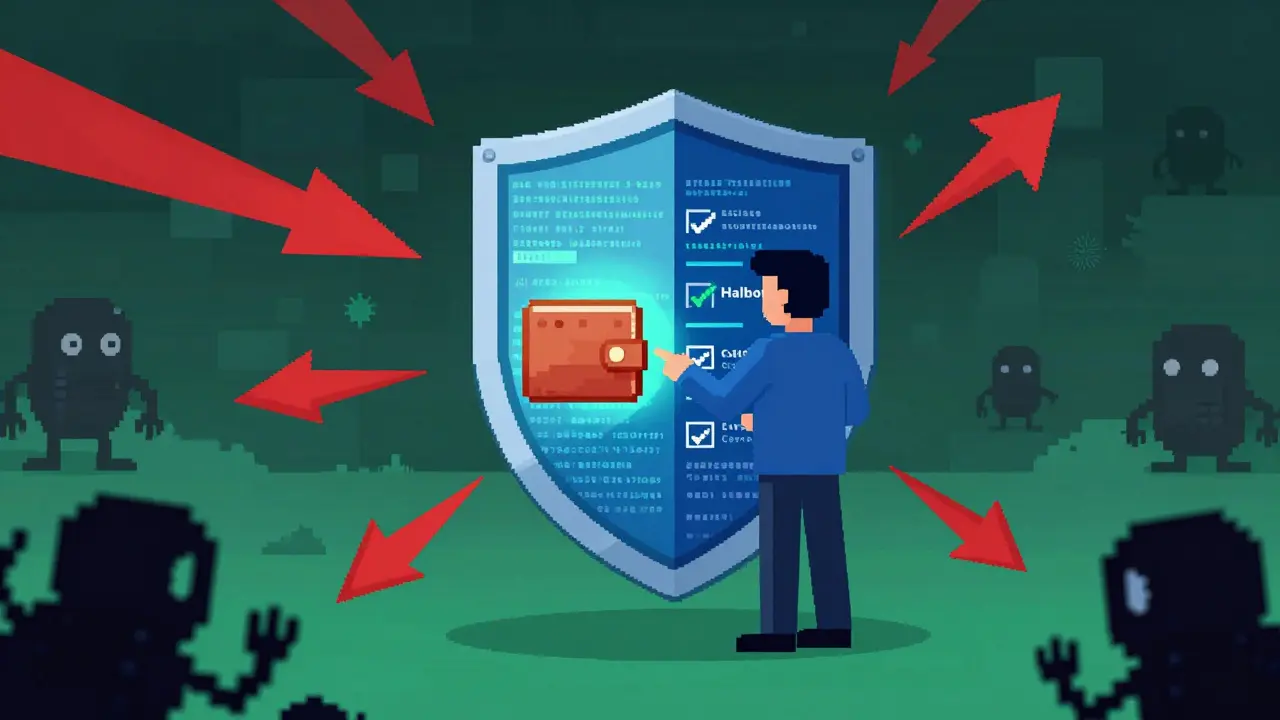
No DeFi interaction is without risk. Before you stake any ETH or interact with Smart Contracts, you must understand the security posture of BlockSwap. The good news is that BlockSwap takes security seriously. Their protocols have undergone multiple audits and formal verifications by reputable firms, including:
- Halborn: Known for deep-dive smart contract audits.
- Solidified: Specializes in secure smart contract development.
- Runtime Verification: Uses formal methods to prove code correctness.
- Certora: Provides automated verification of smart contracts.
These audits help mitigate the risk of smart contract vulnerabilities. However, they do not eliminate all risks. You still face standard DeFi dangers:
- Market Volatility: The value of CBSN and SHB tokens can fluctuate wildly. With zero circulating supply on major trackers, price discovery is difficult.
- Regulatory Changes: As governments tighten rules around staking and securities, protocols may need to adapt, potentially affecting user access.
- Smart Contract Bugs: Even audited code can have undiscovered flaws. Never invest more than you can afford to lose.
BlockSwap mitigates some of these risks through transparency and user education. They emphasize a "trustless" design, meaning the protocol operates based on code, not on the goodwill of a central team. This is a core tenet of Ethereum-based projects.
Comparison: BlockSwap vs. Traditional Liquid Staking
To understand why you might care about BlockSwap, let’s compare it to the giants in the space, like Lido or Rocket Pool. This comparison helps clarify the unique value proposition of the StakeHouse model.
| Feature | BlockSwap StakeHouse | Lido Finance | Rocket Pool |
|---|---|---|---|
| Primary Focus | Modular Blockspace & Multichain Composability | Pure Yield Generation | Decentralized Node Operator Network |
| Token Liquidity | Low (Limited Exchange Listings) | High (Major CEX & DEX Listings) | Medium-High |
| Minimum Stake | Flexible (via Pools) | Any Amount (for stETH) | 16 ETH (for Node Operators) |
| Yield Source | Staking Rewards + Protocol Fees | Validator Rewards | Validator Rewards + RPL Emissions |
| Target Audience | DeFi Users & Developers | Mainstream Investors | Node Operators & Validators |
As you can see, BlockSwap is not trying to compete directly on liquidity volume. Its strength lies in its infrastructure approach-providing the building blocks for other apps to use staked ETH. If you are a developer looking for composable assets, BlockSwap offers unique utilities. If you are a casual investor wanting instant liquidity, Lido might be a safer bet due to its market dominance.
Future Outlook and Strategic Goals
Where is BlockSwap heading? The project positions itself at the intersection of the rollup-centric future of Ethereum. By supercharging modular blockspace, they aim to solve scalability issues inherent in Layer 1 transactions. Their flagship product, OpenSaver, demonstrates their commitment to bridging traditional finance (TradFi) with DeFi. Offering a fixed-income instrument that leverages Automated Asset Market Makers is a bold move toward institutional adoption.
The continued operation of the CommunityNet and the stress-testing of contracts via SHB tokens indicate active development. They are not idle. However, the lack of high-profile partnerships or massive exchange listings suggests they are still in the growth phase. For investors, this means higher risk but potentially higher reward if the protocol gains traction in the modular blockchain narrative.
Keep an eye on their integration with other Layer 2 solutions. As Ethereum moves toward a more fragmented but efficient state, protocols that can bridge liquidity across these chains will become invaluable. BlockSwap’s architecture is designed specifically for this multichain environment.
Practical Tips for Safety
If you decide to explore BlockSwap, follow these safety tips to protect your assets:
- Use a Burner Wallet: Never connect your primary wallet holding your life savings to new or lesser-known protocols. Use a separate wallet with minimal funds.
- Revoke Permissions: After interacting with contracts, use tools like Revoke.cash to remove spending approvals. This prevents malicious contracts from draining your funds later.
- Verify URLs: Bookmark the official site. Phishing sites often use similar domains (e.g., block-swap.com vs blockswap.network).
- Ignore DMs: Support teams will never message you first on Discord or Telegram. Any unsolicited offer is a scam.
The crypto space is full of opportunities, but it is also rife with traps. By staying informed and skeptical, you can navigate the BlockSwap ecosystem without falling victim to fraud.
Is the BlockSwap Network StakeHouse NFT airdrop real?
While BlockSwap has conducted past airdrop campaigns involving cBSN tokens for CommunityNet participants, there is no current, widely publicized "StakeHouse NFT" airdrop available to the general public. Most references to NFTs in this context are either outdated, limited to specific beta testers, or potentially misleading scams. Always check official BlockSwap social channels for the latest announcements.
What is the CBSN token and why is its circulating supply zero?
CBSN is the native utility token of BlockSwap Network. The reported zero circulating supply on platforms like CoinMarketCap often indicates that the token is not actively traded on major centralized exchanges or that liquidity is very low. This does not mean the token is invalid, but it does mean selling it for fiat currency may be difficult without using decentralized swaps, which carry high slippage risks.
How do I participate in the StakeHouse protocol?
You can participate by connecting your wallet to the BlockSwap interface and staking ETH through their StakeHouse pools. Alternatively, developers can engage by building applications using the BlockSwap SDKs. Participation in the CommunityNet, where SHB tokens are used for batch minting, is another way to interact with the protocol, though this is primarily for testing purposes.
Are BlockSwap smart contracts safe?
BlockSwap has undergone audits by reputable firms such as Halborn, Solidified, Runtime Verification, and Certora. While these audits significantly reduce the risk of smart contract vulnerabilities, no system is 100% immune to bugs. Users should always exercise caution, start with small amounts, and be aware of standard DeFi risks like market volatility and regulatory changes.
What are SHB tokens used for?
SHB (StakeHouse Batch) tokens are used within the BlockSwap CommunityNet to mint batches that simulate 32 ETH deposits. They serve as a tool for stress-testing the protocol's smart contracts in a real-time environment without risking mainnet funds. Currently, SHB tokens are not listed on major exchanges and have limited trading availability.
Can I earn yield with BlockSwap?
Yes, BlockSwap offers yield opportunities through its StakeHouse liquid staking solution and its OpenSaver product. OpenSaver aims to provide a 7% USD yield on native currencies by leveraging their Automated Asset Market Maker. However, yields can vary based on market conditions and protocol performance, so past results do not guarantee future earnings.