
| Feature | Bitcoin.me | Top-Tier Exchanges (e.g., Kraken, Coinbase) |
|---|---|---|
| Regulatory License | None found | SEC, CFTC, or state-level licenses |
| Proof of Reserves | None | Independent third-party audits |
| Trading Volume | Zero verifiable volume | Billions in daily verifiable volume |
| Security Protocols | Absent/Unspecified | Multi-sig wallets, Cold Storage, 2FA |
The Warning Signs in the Marketing
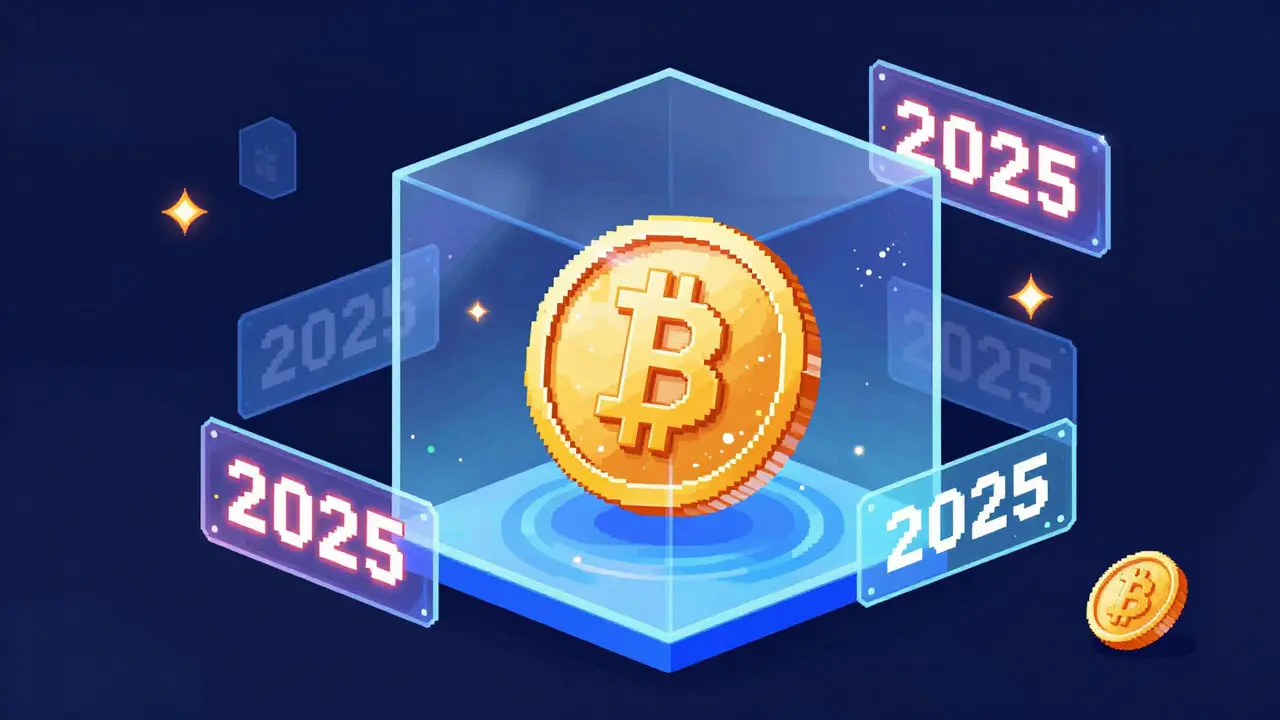
Have you ever seen a business claim to be the "best of" a year that hasn't even happened yet? Bitcoin.me does exactly that. This tactic is what cybersecurity experts call "future-dated legitimacy claims." It's a psychological trick designed to make a new, unproven site seem like an established leader. In reality, the crypto market is far too volatile for any platform to guarantee dominance years in advance. Another red flag is the domain name. While it looks clean, the use of a .me top-level domain instead of a .com or .org is a common trait among phishing sites. These sites often try to mimic the official Bitcoin.org, the original site established in 2009, to trick users into trusting them. If a site looks like a famous brand but uses a strange web address, your instincts are probably right: stay away.Lack of Transparency and Infrastructure
Legitimate exchanges are like glass houses; they show you exactly how they handle your money. Platforms like Kraken keep about 95% of assets in cold storage-offline wallets that can't be hacked-and provide transparent API documentation for developers. Bitcoin.me, on the other hand, is a black box. There are no security audits, no proof of reserves, and no technical specifications. They claim to let you trade the main cryptocurrencies on the market, but they aren't integrated with established blockchain explorers. This means there's no way to verify that any trades are actually happening on the blockchain. If you can't see the transaction on the ledger, the "balance" you see on your screen is just a number in a database, not actual money.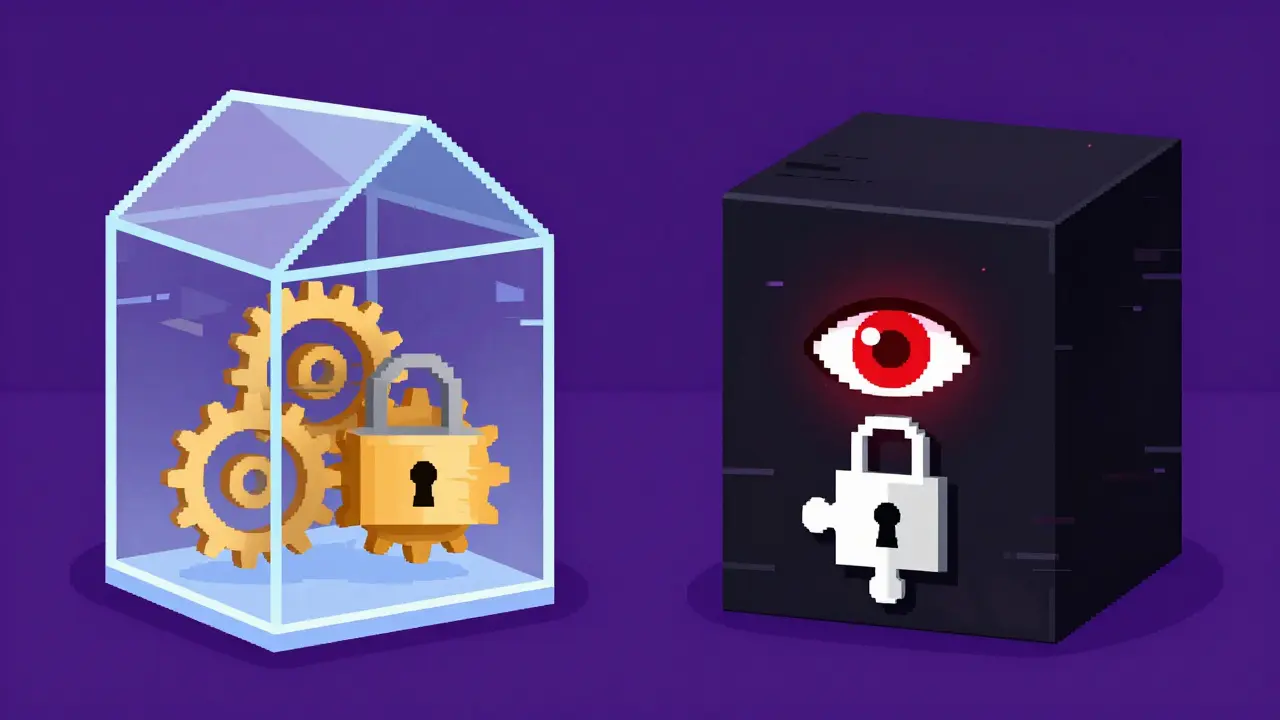
Regulatory Vacuum and Compliance Failures
In the US and UK, financial platforms must follow strict KYC (Know Your Customer) and AML (Anti-Money Laundering) laws. These rules, set by the Financial Action Task Force (FATF), protect users and prevent crime. Bitcoin.me ignores these standards entirely. It isn't registered with the SEC (Securities and Exchange Commission) or the CFTC. Unlike Gemini or Coinbase, which operate as chartered trust companies, Bitcoin.me provides no physical address, no company registration details, and no identifiable leadership team. When a company hides who is running it and where they are located, it's usually because they don't want to be found when the money disappears.Real User Experiences: The Deposit Trap
If you look at community forums like Reddit, specifically in the r/CryptoScams community, a consistent pattern emerges. Users report a "honeypot" experience: they deposit funds, the platform shows an inflated balance (making it look like they're making a profit), but when they try to withdraw, the site demands a "verification fee" or "tax payment." This is a classic scam. Legitimate exchanges deduct fees from the trade itself; they never ask for more money upfront to release your own funds. One victim reported losing 0.5 BTC after being hit with fake verification requirements. On sites like Trustpilot, you'll find a complete absence of positive, verified reviews, which contrasts sharply with the thousands of reviews for regulated platforms.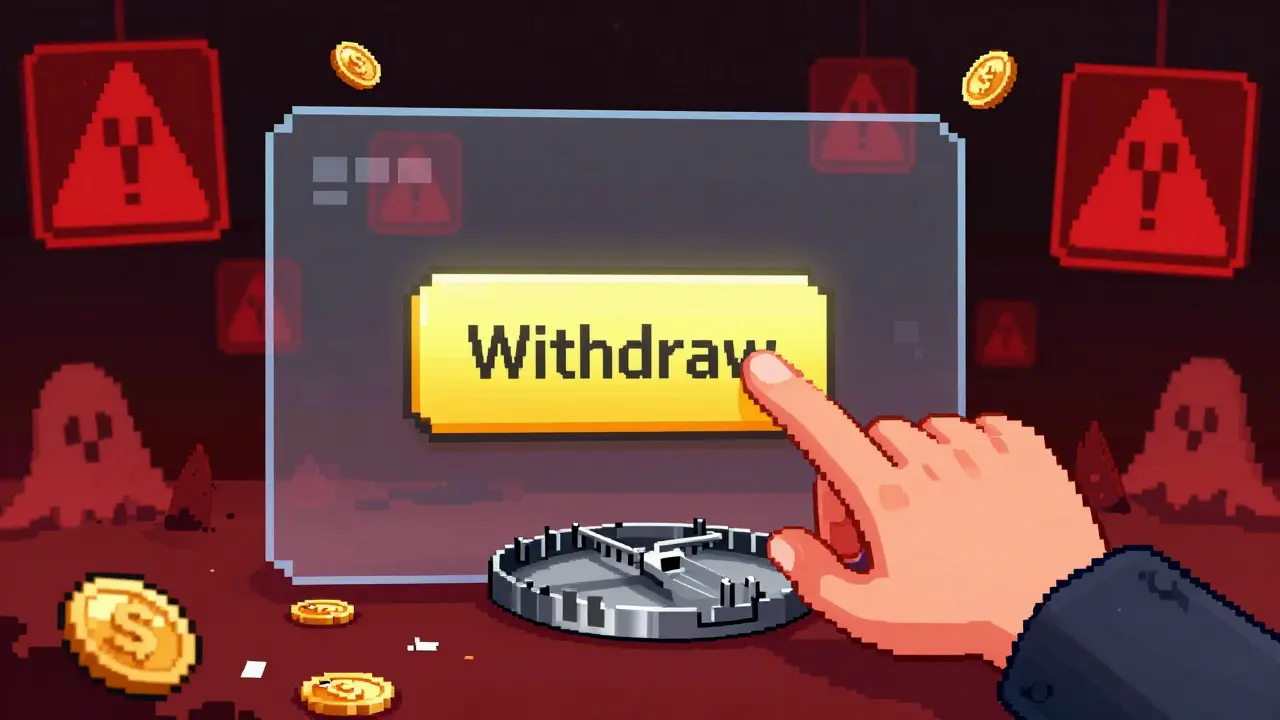
How to Spot a Fake Exchange in 2026
With the rise of AI-generated websites, scams are getting harder to spot, but the fundamentals remain the same. If you're looking for a place to trade, follow this checklist:- Check the Rankings: Is the exchange listed on CoinMarketCap or CoinGecko with verifiable trading volume? If the volume is zero or missing, walk away.
- Verify the License: Can you find their registration number on a government regulator's website?
- Test the Support: Send a technical question. Scam sites often have non-functional support or generic bot responses that never solve the problem.
- Look for Hardware Wallet Support: Legitimate platforms integrate with Ledger or Trezor. If you can't move your funds to a hardware wallet, you don't truly own them.
The Bottom Line on Bitcoin.me
There is no evidence that Bitcoin.me is a functioning, honest business. Every metric-from the suspicious .me domain to the lack of regulatory filings and the predatory withdrawal tactics-points to a fraudulent operation. The IC3 (Internet Crime Complaint Center) has repeatedly warned about variants of these types of platforms, noting that they often route funds immediately through "mixers" to hide the trail of the stolen money. Stop searching for a way to "recover" funds from this site if you've already been hit. Many scammers will message you claiming they are "recovery experts" for a fee; these are simply secondary scams targeting the same victims. Your best bet is to report the fraud to your local authorities and the IC3.Is Bitcoin.me a legitimate cryptocurrency exchange?
No. Bitcoin.me shows all the hallmarks of a scam. It lacks regulatory registration, provides no proof of reserves, and has no verifiable trading volume on major industry trackers. Its claims of being the "best exchange of 2025" are a common red flag used by fraudulent platforms.
Can I withdraw my money from Bitcoin.me?
Most users report that withdrawal requests are denied or blocked by demands for additional "verification fees" or "taxes." This is a typical tactic used by scam platforms to steal more money from victims before cutting off communication.
What should I do if I deposited money into Bitcoin.me?
Immediately stop sending any more funds. Do not pay "recovery fees" to anyone claiming they can get your money back. Report the incident to the Internet Crime Complaint Center (IC3) and your national financial regulator.
Why does the site look professional if it is a scam?
Modern scammers use professional templates and AI to create convincing interfaces. A polished website does not equal a legal business. Real legitimacy is proven through regulatory licenses and third-party audits, not a nice-looking homepage.
How do I find a safe exchange instead?
Stick to platforms that are licensed in your jurisdiction and listed with high volume on CoinMarketCap. Look for exchanges that offer 2-factor authentication (2FA) and support for hardware wallets like Ledger or Trezor.

Rob Mitchell
April 10, 2026 AT 22:16Always check the domain and the volume on CoinGecko first.
Tyler Webb
April 12, 2026 AT 07:06It's really heartbreaking to see people lose their hard-earned money to these kinds of tricks. :( Be careful everyone!
Samson Selleck
April 14, 2026 AT 03:21The asymmetric information here is glaring. We're seeing a textbook liquidity trap leveraging psychological anchoring via future-dated claims to bypass the cognitive filters of retail investors. The lack of an audited Proof of Reserves (PoR) essentially confirms the platform is a synthetic facade designed for capital extraction without any actual order-book matching or blockchain settlement. It's honestly embarrassing that anyone would fall for a .me TLD in this macro environment.
James Bone
April 15, 2026 AT 21:51Classic. People love the idea of 'magic money' and then act shocked when the magic turns out to be a guy in a basement stealing their BTC. It's almost poetic how greed blinds people to the most basic red flags. If it sounds too good to be true, it's because it's a lie. Simple as that.
Alan Seiden
April 16, 2026 AT 16:18Absolutely pathetic that these foreign-run scams are targeting people. We need stricter controls and a return to actual financial sovereignty. It is an utter disgrace that the internet allows this rubbish to flourish while our own standards are ignored!
Aaliyah BROTHERS
April 17, 2026 AT 16:56WAKE UP PEOPLE!!! This is just the tip of the iceberg!!! The globalists are using these fake exchanges to track our every move and steal our wealth!!!! They want us broke and desperate!!!! Look at the patterns... it's all connected to the Great Reset!!!! DON'T TRUST THE SYSTEM!!!!
Amanda Faust
April 18, 2026 AT 12:52everyone knows .me domains are a joke
Heather Warren
April 20, 2026 AT 00:36I completely agree that checking for a regulatory license is the best first step. It's such a great way to protect yourself from these kinds of platforms!
Adam Auksel
April 20, 2026 AT 23:42Thanks for sharing this helpful guide! 🌟 It's so important to educate the community so we can all grow together safely. Stay vigilant! 🛡️
william manes
April 22, 2026 AT 18:53Get a clue! 🤡 Use a real exchange or just lose your money. Your choice! 💸
Kieran Smith
April 23, 2026 AT 15:02I wonder if there are any wayz to track where the money went? Like maybe some tool that can see the mixer? I'm just curious how these guys actually do it without geting caught.
Jessie Tayaban
April 24, 2026 AT 06:01Omg this is just terrifing!! I can't even imagine how much stress someone feels when they realize theyve been scammed... it's just a nightmare!! 😭
Omotola Balogun
April 24, 2026 AT 20:13You missed the part where they use fake testimonials. I have seen this many times on other sites too. It is a very common trick to make the site look trustworty even though it is a total lie.
Emily H
April 25, 2026 AT 23:45It is highly advisable to utilize a hardware wallet for the long-term storage of digital assets. This ensures that the private keys remain under the sole control of the owner, thereby mitigating the risks associated with centralized exchange failures.
Lane Montgomery
April 26, 2026 AT 22:36Who did you use for the data?
EDOZIEM MICHAEL
April 28, 2026 AT 17:04money is just an illusion anyway and these scams only prove that we attach too much value to numbers on a screen
Akshay Gorad
April 28, 2026 AT 20:44I believe it is important to maintain a cautious approach when exploring new DeFi platforms. Thank you for the detailed analysis.
Mikayla Murphy
April 29, 2026 AT 05:25It's so important to have these warnings. Many people are new to crypto and don't know the signs of a honeypot. I hope everyone who lost money finds some peace and doesn't fall for the recovery scams.