
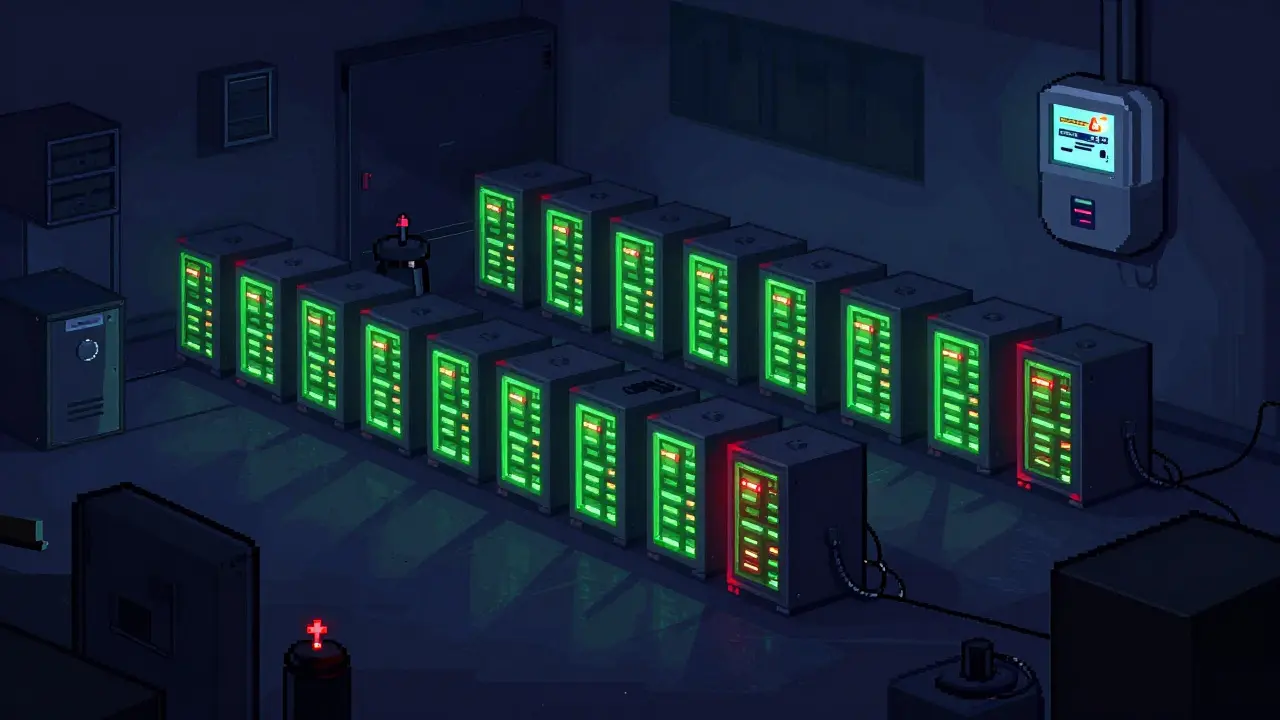
Imagine plugging in your high-end graphics cards to mine Bitcoin, only for the power company to shut off your entire neighborhood because you’re draining the grid. That is exactly what happened in Algeria, leading to one of the strictest bans on digital assets in the world. If you are looking to mine or trade crypto in North Africa right now, you need to know that it is not just discouraged-it is a criminal offense.
In July 2025, the government passed Law No. 25-10, which criminalizes all cryptocurrency activities including mining, trading, holding, and promotion. This wasn't just a warning shot. It was a full-scale crackdown driven by two main fears: protecting the national financial system from money laundering and saving the country’s fragile electricity grid from collapsing under the weight of energy-hungry mining rigs.
Why Did Algeria Ban Cryptocurrency Mining?
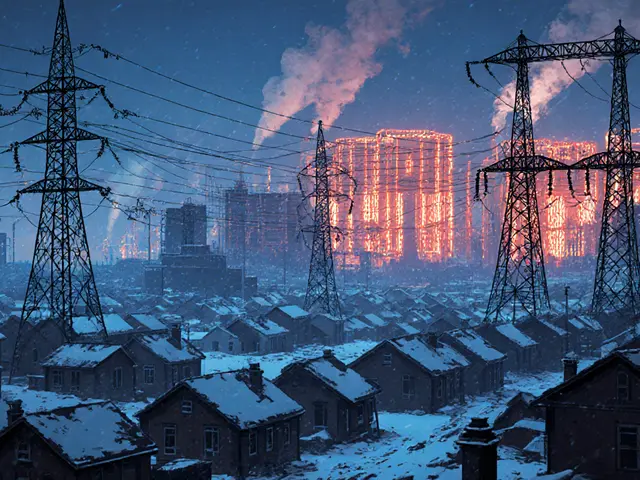
You might think this is just about stopping people from making money online. While financial stability plays a role, the real trigger here is energy. SONELGAZ, the national electricity provider of Algeria, has been struggling for years. During the summer months, when everyone turns on their air conditioning, the grid hits 95-100% capacity. It’s already tight.
Then came the miners. In 2024, authorities detected unauthorized mining operations sucking up between 15 and 20 megawatts of power during peak hours. To put that in perspective, that’s roughly 1.5% of the entire national grid’s capacity during the most critical times of the year. When you add that to the fact that residential electricity is heavily subsidized-costing locals as little as $0.035 per kWh compared to the global average of $0.14-the math becomes obvious. Miners were getting cheap power, causing blackouts for regular citizens, and making easy money.
The government saw this as unsustainable. Salah Eddine Taleb, the Governor of the Bank of Algeria, pointed out that mining a single Bitcoin consumes about 1,500 kWh. That is enough electricity to power 30 average Algerian households for a month. He argued that letting this continue would create "unsustainable pressure" on the national infrastructure. So, they pulled the plug entirely.
What Does Law No. 25-10 Actually Prohibit?
This law leaves no loopholes. Unlike some countries that only ban exchanges or banking connections to crypto, Algeria went nuclear. Here is what you cannot do:
- Mining: Whether you have one GPU in your bedroom or a warehouse full of ASICs, it is illegal. The law specifically targets "production" of virtual currencies.
- Trading: Buying, selling, or exchanging cryptocurrencies for fiat money (like the Algerian Dinar) is banned.
- Holding: Yes, even passive possession is a crime. You can be fined just for having Bitcoin in a wallet.
- Promotion: Influencers, educators, and content creators who talk positively about crypto risk legal action. This has led to self-censorship in universities and online forums.
- Using VPNs: To close the digital escape route, the use of Virtual Private Networks to access blocked services is also prohibited.
The definition of "crypto-assets" in the law is incredibly broad. It covers any property, income, funds, or financial assets used as currency, regardless of their intended purpose. This means there is no "educational exception" or "small amount exemption."
Penalties: Fines, Jail Time, and Seized Gear
If you get caught, the consequences are severe. The government isn't asking nicely; they are enforcing this with teeth. Under Law No. 25-10, first-time offenders face prison sentences ranging from two months to one year. On top of that, fines range from 200,000 to 1,000,000 Algerian dinars (approximately $1,540 to $7,700 USD).
If you are a repeat offender, those penalties double. You could be looking at 500,000 to 2,000,000 DZD ($3,700 to $14,700) in fines plus more jail time. But the scariest part for miners? Equipment seizure. Authorities have the power to confiscate any hardware used for mining. We’ve seen cases where university students had their rigs taken away after surprise inspections. For someone investing thousands into mining hardware, losing the equipment itself is often worse than the fine.
| Violation Type | Prison Sentence | Fine Range (DZD) | Additional Consequences |
|---|---|---|---|
| First Offense | 2 months - 1 year | 200,000 - 1,000,000 | Equipment seizure possible |
| Repeat Offender | Increased sentence | 500,000 - 2,000,000 | Mandatory equipment seizure |
| Large-Scale Operations | Up to 1 year+ | Maximum fines applied | Criminal record, business closure |
How Is the Government Enforcing This?
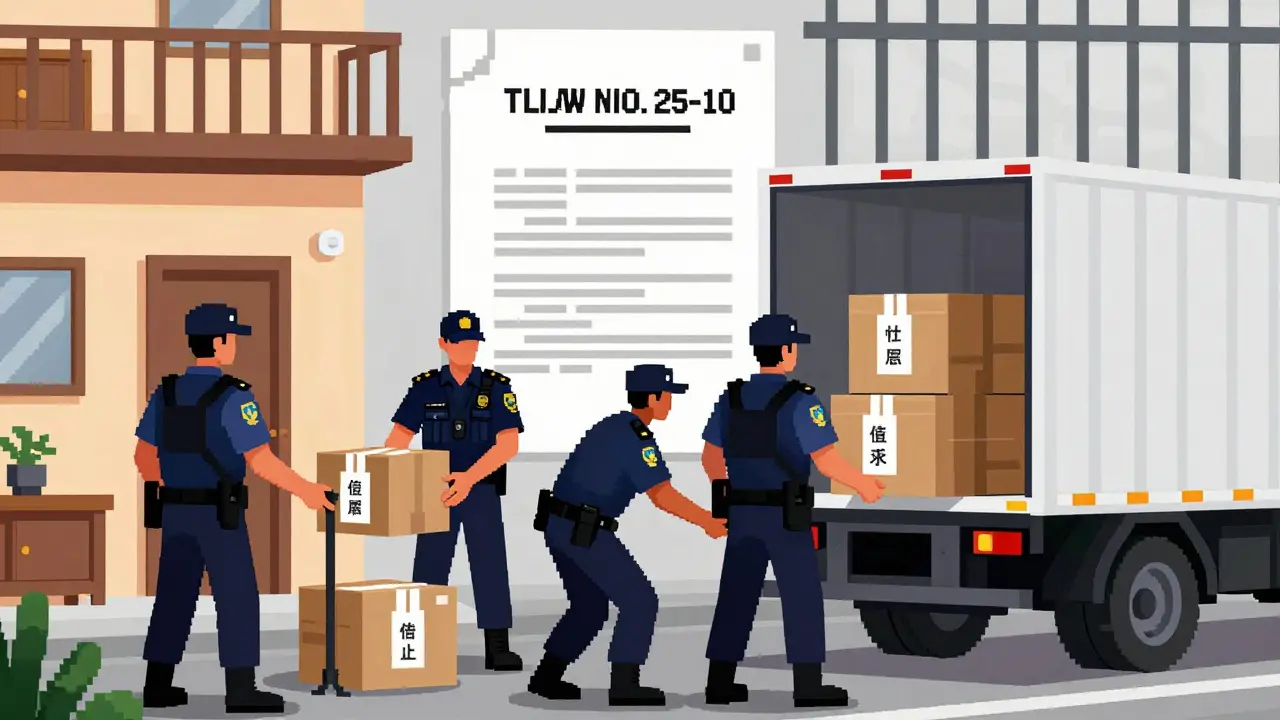
You might wonder how they catch individual users. The answer lies in data and electricity patterns. The Algerian government allocated 1.2 billion DZD (about $9.2 million) in the 2025 budget specifically for enforcement. They created specialized cyber units within the National Gendarmerie trained to spot suspicious transactions.
For miners, it’s easier. SONELGAZ monitors industrial and commercial zones closely. If a facility’s power usage spikes 30-50% above normal for its size without a corresponding increase in production output, it raises a red flag. Authorities then conduct surprise inspections. In Oran, for example, police recently confiscated seven mining rigs from a student after such an inspection. The message is clear: if you draw too much power, they will come knocking.
Algeria vs. Its Neighbors: A Regional Outlier
Look around the Middle East and North Africa (MENA) region, and Algeria stands out like a sore thumb. Most of its neighbors are embracing crypto. The United Arab Emirates has a dedicated regulator, the VARA, which processed over 150 license applications by mid-2025. Bahrain and Saudi Arabia are building regulatory frameworks to attract blockchain startups.
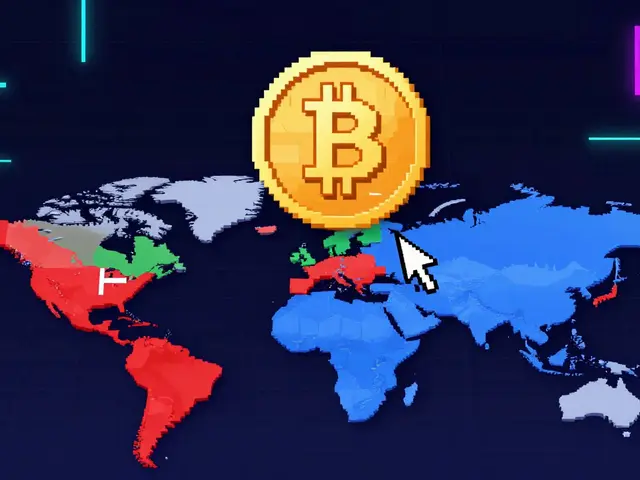
Even Morocco, which has restrictive laws, doesn’t criminalize mere holding of assets to the same extent. Tunisia allows mining under specific licenses. Algeria, however, chose total prohibition. This puts them in the same camp as China (which banned transactions but allowed blockchain tech) and Egypt (which prohibits banking links). But Algeria goes further by explicitly targeting the energy drain of mining. According to the World Bank’s 2025 MENA Digital Economy Report, 7 out of 12 MENA countries have clear regulatory frameworks. Algeria is firmly in the minority.
The Human Cost: Brain Drain and Frustration
Laws don't exist in a vacuum; they affect real people. The reaction from Algerians has been largely negative. On social media platforms like Reddit and Facebook, users express frustration. One user, 'DZCryptoMiner', shared that he shut down a 12-rig Ethereum operation that earned him $350 a month. "The risk of jail and seized gear isn't worth it," he said.
This crackdown has accelerated a "crypto brain drain." Data from LinkedIn analyzed by Startup Researcher shows that 37% of Algerian blockchain developers moved to more friendly jurisdictions like Tunisia and Morocco between 2023 and 2025. These are skilled workers leaving the country because their profession is illegal at home. Meanwhile, traditional bank employees support the ban, arguing it protects ordinary citizens from scams and volatility. But among the tech-savvy population, the sentiment is one of missed opportunity.
Is There Any Hope for Reversal?
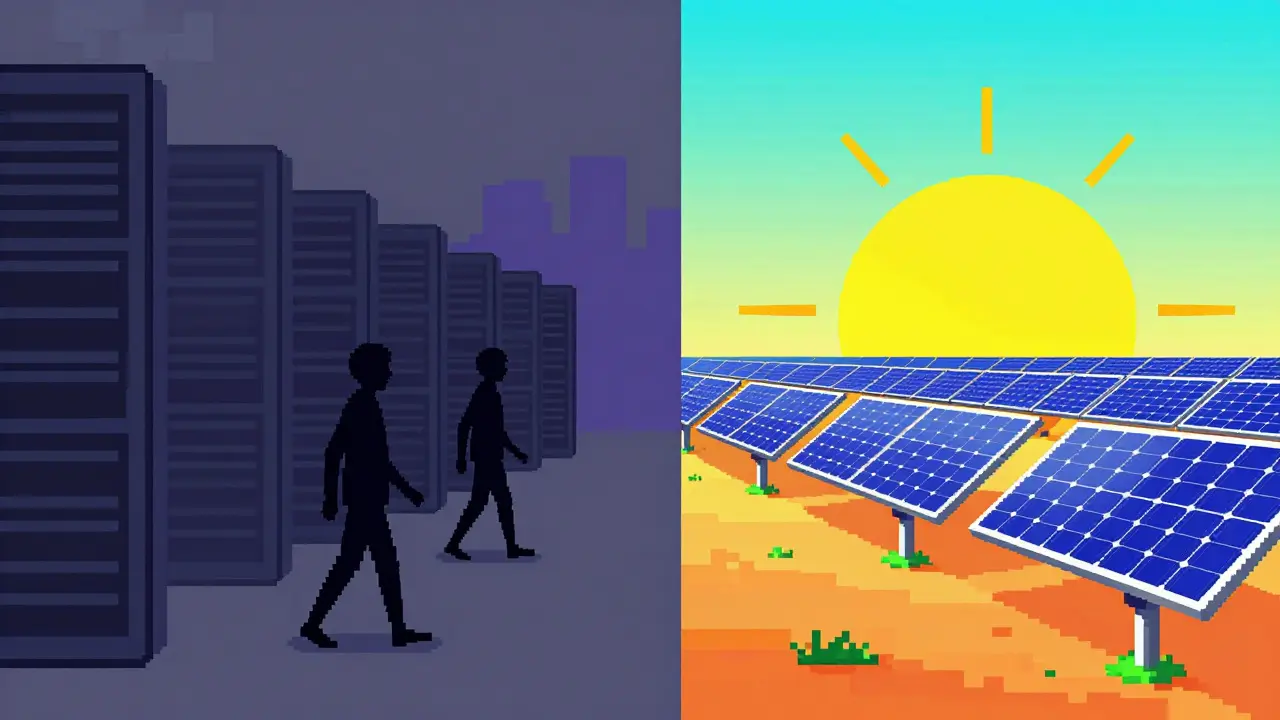
Right now, the door seems closed. President Abdelmadjid Tebboune’s administration has shown no signs of softening its stance. However, experts suggest the ban might not last forever. Dr. Leila Bencharif, a professor at Algiers University, argues that Algeria is wasting its potential. She points out that the country has 22GW of solar energy potential. Instead of banning mining, she proposes using excess solar power to fuel regulated mining operations. Her team is working on a white paper to present this idea.
Historically, bans tend to fail. The Global Crypto Alliance notes that 68% of crypto bans implemented between 2020 and 2025 were partially or fully reversed within three years due to economic pressure. As demand for decentralized finance grows globally, Algeria may eventually find that isolation hurts its economy more than helping it. But until then, the risk remains extremely high.
Is it legal to hold Bitcoin in Algeria?
No. Under Law No. 25-10, merely holding cryptocurrency is a criminal offense. The law defines crypto-assets broadly and prohibits purchase, sale, use, and holding. You can be fined or imprisoned for simply possessing digital assets in a wallet.
Why did Algeria focus so much on energy consumption?
Algeria's electricity grid is strained, especially in summer when it reaches near-capacity. Subsidized electricity rates ($0.035/kWh) made mining highly profitable but inefficient. Unauthorized miners consumed 15-20 MW during peaks, threatening blackouts for residents. The government viewed this as an unacceptable drain on public resources.
Can I use a VPN to access crypto exchanges in Algeria?
Technically, no. Law No. 25-10 also bans the use of Virtual Private Networks (VPNs) to bypass restrictions. Using a VPN to access foreign crypto platforms adds another layer of illegality to your actions and increases the risk of detection by cyber units.
How does Algeria's ban compare to other African countries?
Algeria is one of the strictest. While countries like Nigeria have fluctuated policies, and South Africa regulates crypto as an asset, Algeria criminalizes almost all activity. Even neighboring Tunisia allows licensed mining, whereas Algeria permits none. This makes Algeria an outlier in the African tech landscape.
Will the ban be lifted in the future?
There is no official plan to lift it soon. However, experts predict many crypto bans reverse within three years due to economic pressures. Some academics are proposing regulated mining using solar energy, which could change policy if adopted. For now, assume the ban is permanent.

Kwon Bill
June 11, 2026 AT 22:45The macroeconomic implications of Law 25-10 are staggering when you consider the opportunity cost of foregone energy arbitrage. By criminalizing the utilization of subsidized grid capacity for Proof-of-Work validation, the state is essentially engaging in a form of resource misallocation that stifles technological innovation in favor of short-term grid stability metrics. It’s a classic case of regulatory overreach where the government fails to distinguish between illicit financial flows and legitimate decentralized infrastructure development.
Danna Charris
June 12, 2026 AT 05:13It is frankly amusing how these tech enthusiasts romanticize crypto while ignoring basic civic responsibility. If your hobby requires stealing electricity from your neighbors to function, perhaps you should reconsider your life choices rather than blaming the government.
Fede Faith
June 14, 2026 AT 03:41Look, I get the frustration with the ban, but we have to look at the bigger picture here. The grid was literally collapsing under the weight of unauthorized mining operations during peak summer hours. SONELGAZ wasn't just shutting off lights; they were preventing total blackouts for hospitals and essential services.
That said, the solution shouldn't be a blanket criminalization. We need regulated frameworks that allow mining to happen using excess renewable energy, like the solar potential Dr. Bencharif mentioned. Banning it entirely just pushes it underground and makes enforcement harder. Let's push for policy changes that balance energy needs with economic opportunities instead of just complaining about jail time.
Josh Dodson
June 15, 2026 AT 20:48totally agree with the above! its such a waste of talent. imagine all those devs leaving for tunisia or morocco. the brain drain is real and its gonna hurt algeria long term. we need to fix the system not break it :(
Suman Patil
June 17, 2026 AT 07:36The narrative around energy consumption is often oversimplified in mainstream discourse. While it is true that PoW algorithms are energy-intensive, the concept of 'wasted' energy is flawed when considering the marginal cost of electricity generation in regions with high capacity factors. Algeria has immense solar potential. Instead of a prohibitionist approach, which creates a black market and drives skilled labor abroad, a strategic integration of blockchain technology into the national energy grid could have been pursued. This would have allowed for demand-response mechanisms where miners act as flexible loads, stabilizing the grid rather than destabilizing it. The current punitive measures reflect a lack of technical understanding among policymakers.
Nick Rice
June 19, 2026 AT 02:01You people are missing the point entirely. This isn't about 'innovation' or 'solar potential.' It's about sovereignty and control. When you subsidize electricity for citizens, you expect them to use it for living, not for speculative gambling on digital tokens. The government has a duty to protect the public infrastructure from being drained by individuals seeking quick profits. If you can't afford market-rate electricity, you don't mine Bitcoin. Simple as that. Stop whining about 'brain drain'-those who leave are choosing personal gain over national stability.
Amit Thakur
June 20, 2026 AT 19:27The inefficiency of this policy is glaring. You are creating a parallel economy that operates completely outside of regulatory oversight, which ironically increases money laundering risks rather than mitigating them. By banning VPNs and holding assets, you are forcing transactions into untraceable peer-to-peer channels that are far more dangerous for national security. A regulated exchange model, similar to what is emerging in the UAE, would provide transparency, tax revenue, and grid management capabilities. This aggressive stance is counterproductive and demonstrates a fundamental misunderstanding of how decentralized networks operate.
Eric Scheinberg
June 21, 2026 AT 16:53The legal framework established by Law No. 25-10 represents a significant shift in the jurisprudence regarding digital assets within North Africa. The broad definition of 'crypto-assets' ensures that there are no ambiguities in enforcement. From a legal standpoint, the penalties are proportionate to the severity of the offense, particularly given the strain on public utilities. However, the long-term viability of such a strict prohibition remains questionable as global trends move towards integration rather than isolation.
Rob Aronson
June 23, 2026 AT 00:53I’ve been following the MENA crypto scene closely 📊. It’s wild to see Algeria so isolated compared to neighbors like Bahrain or even Morocco. The VARA regulator in Dubai is processing hundreds of applications, while Algeria is seizing GPUs. It’s not just about energy; it’s about signaling. They’re telling investors: ‘Don’t come here.’ That’s a huge missed opportunity for FDI. The tech sector needs openness, not fear. 😬
Kumaran sowkarpet
June 23, 2026 AT 21:52its sad to see this happening :/ i know some guys who lost their rigs in oran. its really tough for students trying to make ends meet. maybe if the govt offered cheap power specifically for mining hubs it would be better? but yeah, right now its just scary. hope things change soon :)
Mauricio Contreras Loredo
June 24, 2026 AT 02:47Oh, sure, let’s just blame the poor students mining Bitcoin for the grid failure. Because clearly, the root cause of Algeria’s energy crisis is a few teenagers with graphics cards, not decades of mismanagement and corruption in the energy sector. But hey, scapegoating crypto is much easier than fixing the actual infrastructure problems, right? Classic move.
sreeja boora
June 25, 2026 AT 16:07The preservation of national resources is paramount. The state must prioritize the welfare of its citizens over the speculative interests of a small minority. The ban is a necessary measure to ensure that public utilities remain accessible to all residents without disruption. Any attempt to circumvent these laws undermines social cohesion and economic stability.
Grace Newman
June 25, 2026 AT 19:03One must consider the deeper geopolitical motivations behind this sudden crackdown. Is it merely about energy, or is there an external influence at play? The timing coincides with increased scrutiny on digital currencies by global financial institutions. Perhaps the Algerian government is aligning itself with certain international powers to maintain control over capital flight. The prohibition of VPNs suggests a desire to monitor and restrict information flow, which raises serious concerns about civil liberties and digital freedom.
Benjamin Eisen
June 26, 2026 AT 16:25i think the real issue is trust. ppl dont trust the dinar so they turn to crypto. banning it doesnt fix the inflation or the lack of opportunities. it just makes people angry. we need better economic policies not more police raids. feels like they are treating symptoms not the disease :/