
Why 2FA is Critical for Blockchain Security
Two-Factor Authentication (2FA) is the first line of defense for blockchain accounts. Without it, a stolen password means instant access to your funds. In 2025, Chainalysis reported over $300 million in crypto thefts linked to weak 2FA setups. The biggest culprit? SMS-based verification.
SMS-Based 2FA: A Ticking Time Bomb for Crypto
SMS-based 2FA sends a code via text message to your phone. It sounds simple, but it's dangerously insecure for blockchain accounts. Attackers use SIM swapping-tricking your mobile carrier into transferring your number to their device. Once they have your number, they intercept the 2FA codes. In early 2025, a Ledger user lost $1.2 million this way. Worse, SMS messages travel unencrypted over cellular networks, making them easy targets for interception. Even if your carrier is secure, SMS delivery can fail in areas with poor signal. For blockchain users, SMS is simply not safe.
Authenticator Apps: A Step Up but Still Risky
Authenticator apps like Google Authenticator or Microsoft Authenticator generate time-based codes. They're better than SMS because they don't rely on cellular networks. But they still have flaws. If your phone is stolen or infected with malware, attackers can access the codes. Exchanges like Coinbase use authenticator apps for user security. However, for self-custody wallets like MetaMask, relying solely on an app is risky. The TOTP algorithm generates codes that expire every 30 seconds, but they're still vulnerable to phishing attacks where you're tricked into entering the code on a fake site.
Hardware Keys: The Ultimate Security for Blockchain
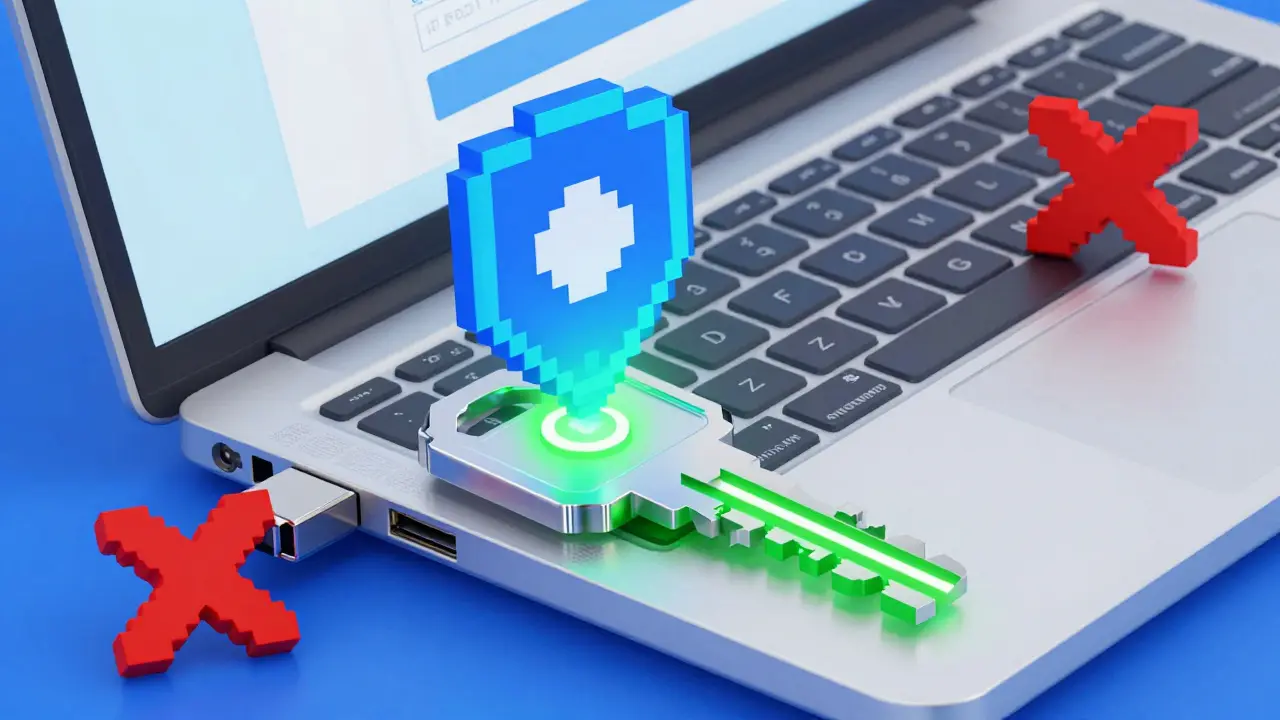
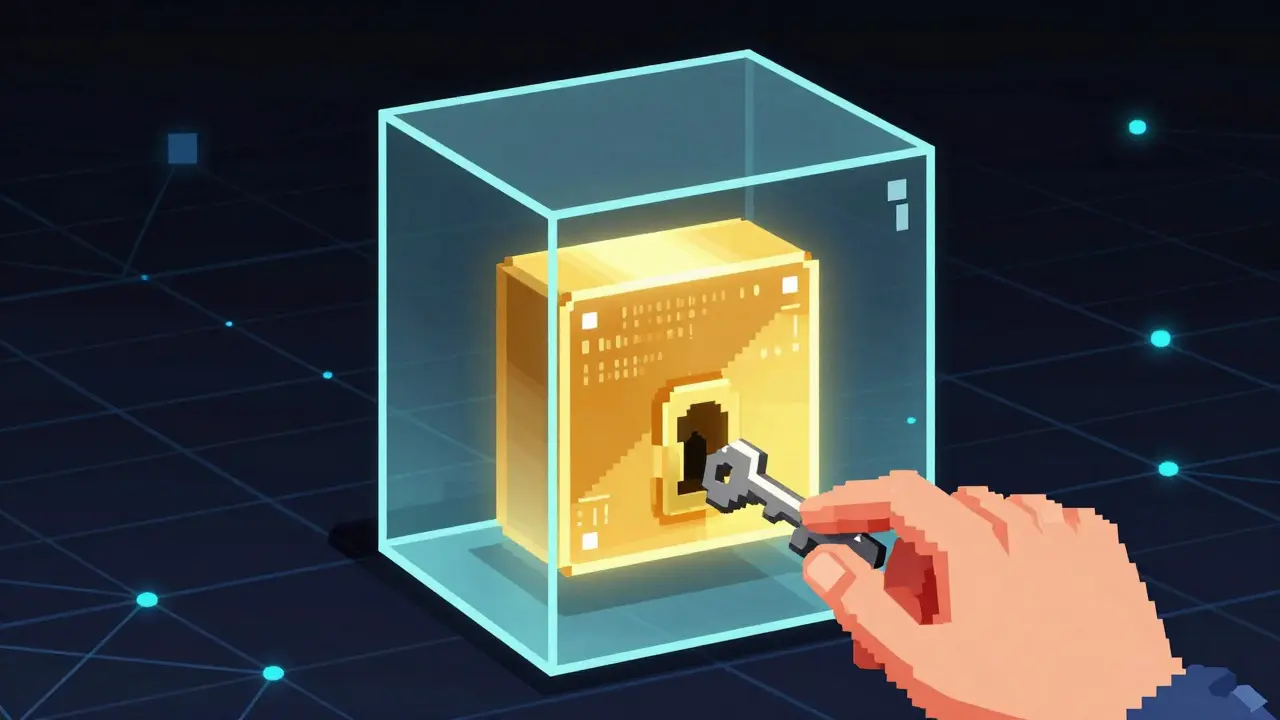
Hardware security keys, like YubiKey or Ledger, are physical devices that plug into your computer or tap against your phone. They're the most secure option because they're phishing-resistant. Unlike SMS or apps, hardware keys use cryptographic protocols that can't be intercepted or duplicated. When you log in, the key verifies the website's identity before sending the authentication signal. This stops attackers from stealing your credentials even if they trick you into visiting a fake site. For blockchain wallets, this is critical. A Trezor user recently reported that their hardware key blocked a phishing attempt that would have stolen $50,000 in Bitcoin. The downside? Cost. Hardware keys range from $20 to $50, but it's a small price for peace of mind.
Making the Right Choice: A Quick Comparison
| Method | Security Level | Cost | User Experience |
|---|---|---|---|
| SMS | Low | $0.01-$0.10 per message | Easy setup but unreliable |
| Authenticator App | Moderate | Free | Good balance of security and convenience |
| Hardware Key | High | $20-$50 | Requires physical device but fastest login |
Best Practices for Securing Your Crypto Assets
Here's what you should do right now:
- Never use SMS for blockchain accounts. It's too easy to compromise.
- For self-custody wallets like MetaMask, hardware keys are non-negotiable. Set them up immediately.
- If you use an exchange, enable push notification 2FA (like Duo Security) instead of SMS.
- Store backup recovery phrases offline. Hardware keys often include this feature.
- Update wallet software regularly. Many hacks exploit outdated versions.
The Future of 2FA in Blockchain
The industry is moving toward FIDO2 standards and passwordless authentication. These protocols use hardware keys or biometrics to replace passwords entirely. Companies like Google and Microsoft are already adopting FIDO2 for enterprise security. For blockchain, this means even stronger protection. Soon, you might log in to your wallet using just a fingerprint scan on your hardware key. This shift is crucial as cybercriminals get more sophisticated. Staying ahead requires using the most secure methods available.
Why is SMS-based 2FA dangerous for blockchain?
SMS-based 2FA is vulnerable to SIM swapping attacks, where criminals trick your mobile carrier into transferring your number. Once they control your number, they intercept 2FA codes. In 2025, over $300 million in crypto was stolen this way. SMS also travels unencrypted over cellular networks, making it easy to intercept. For blockchain accounts, this is a critical risk.
Can authenticator apps be hacked?
Yes, if your phone is stolen or infected with malware. Authenticator apps store secret keys on your device, so if someone gains access to your phone, they can generate codes. However, they're safer than SMS because they don't rely on cellular networks. For maximum security, pair an authenticator app with a hardware key as a backup.
What's the best hardware key for blockchain?
For most users, Ledger Nano X or Trezor Model T are top choices. Both support FIDO2 and WebAuthn standards, making them compatible with major blockchain wallets. Ledger has a larger ecosystem of supported coins, while Trezor offers a more user-friendly interface. Either is significantly safer than SMS or app-based 2FA.
Do exchanges support hardware keys?
Yes, most major exchanges like Binance, Coinbase, and Kraken support hardware keys. You'll need to enable the option in your account settings. This adds a critical layer of security, especially since exchanges are frequent targets for hackers.
Is there a free alternative to hardware keys?
Not really. While authenticator apps are free, they're not as secure as hardware keys. For blockchain accounts, the small cost of a hardware key (around $20) is worth the peace of mind. Free alternatives like SMS or basic app-based 2FA are easily compromised. Investing in a hardware key is the safest choice for protecting your crypto.



perry jody
February 5, 2026 AT 10:46Hey everyone! Just wanted to share how switching to a hardware key has made my crypto experience so much safer. No more worrying about SIM swaps or phishing attacks. It's a small investment for peace of mind. 🔑💪
Paul Jardetzky
February 6, 2026 AT 21:55I've been using a hardware key for months now and it's been a game-changer. No more SMS delays or app vulnerabilities. Highly recommend it for anyone serious about security. 🔒👍
Katie Haywood
February 7, 2026 AT 23:39Oh sure, SMS is totally secure. Because everyone knows text messages are encrypted and impossible to hack. *sarcasm* Anyway, hardware keys are the way to go. Simple and effective. 🤷♀️
Matt Smith
February 9, 2026 AT 00:51Hardware keys? Yeah right. They're just another way for tech bros to feel superior. I've had mine break twice. SMS is way more reliable. 😂
Josh Flohre
February 9, 2026 AT 23:23SMS-based 2FA is fundamentally flawed. It's not even debatable. The fact that anyone still uses it is a testament to their lack of technical knowledge. Period. The security risks are well-documented and undeniable. If you're using SMS, you're a liability.
Jesse Pasichnyk
February 11, 2026 AT 15:12Hardware keys are the best. SMS is for weaklings. You want to protect your crypto? Get a hardware key. Simple as that. 💪
aryan danial
February 11, 2026 AT 23:33Let's take a moment to consider the broader implications of 2FA methodologies in the context of blockchain security. The reliance on SMS-based verification is not merely a technical oversight but a systemic failure in cryptographic best practices. Cellular networks are inherently insecure; they transmit data without encryption, making them susceptible to interception by malicious actors. Moreover, SIM swapping attacks have become increasingly sophisticated, with criminals exploiting social engineering tactics to hijack phone numbers. This vulnerability is compounded by the fact that many users are unaware of the risks associated with SMS-based 2FA. While authenticator apps offer a step up in security, they are not without their own pitfalls. For instance, if your device is compromised, the TOTP codes can be stolen. Additionally, the reliance on a single device introduces a single point of failure. Hardware security keys, on the other hand, provide a robust solution. They utilize cryptographic protocols that are resistant to phishing and remote attacks. However, the adoption of hardware keys requires a certain level of technical literacy, which can be a barrier for some users. The cost of these devices, though minimal compared to potential losses, may deter casual users. In conclusion, while no 2FA method is perfect, hardware keys represent the most secure option available today. It's crucial for the community to educate users on these risks and promote best practices. The future of blockchain security depends on adopting more robust authentication mechanisms. We must prioritize security over convenience. Otherwise, we risk losing trust in the entire ecosystem. This is not just a technical issue but a social one. The industry needs to do better. It's time to move beyond outdated methods like SMS. Hardware keys are the way forward. Let's make it happen.
Oliver James Scarth
February 12, 2026 AT 04:34The utilization of hardware security keys constitutes an indispensable advancement in cryptographic authentication protocols. SMS-based verification is an antiquated and inherently insecure methodology that should be deprecated immediately. The British intelligence community has long recognized the vulnerabilities inherent in cellular-based authentication systems. It is imperative that we adopt state-of-the-art cryptographic standards to safeguard our digital assets. This is not merely a technical consideration but a matter of national security. The time for complacency is over.
sachin bunny
February 13, 2026 AT 14:08Hardware keys are just a way for the government to spy on you. SMS is safer because it's decentralized. 😡 Also, the whole blockchain thing is a scam. Trust me, I know.
Danica Cheney
February 15, 2026 AT 03:14SMS is trash. Hardware keys all the way. 🔑
Kyle Pearce-O'Brien
February 15, 2026 AT 23:32The very notion of relying on SMS for 2FA is a catastrophic oversight in modern cryptographic protocols. The inherent vulnerabilities of TOTP-based systems are exacerbated by the lack of forward secrecy. Hardware keys, while not perfect, represent a significant leap forward in cryptographic resilience. However, the industry's fixation on proprietary solutions like YubiKey is shortsighted. We need open standards, not corporate walled gardens. 🔐
Matthew Ryan
February 16, 2026 AT 20:26I agree with the post. Hardware keys are the best option. They're simple to use and very secure. No need to overcomplicate it.
Nathaniel Okubule
February 17, 2026 AT 16:34I appreciate the detailed breakdown. Hardware keys are indeed the most secure option. Just make sure to store your recovery phrase safely. Thank you for the information.
Brittany Coleman
February 18, 2026 AT 08:05SMS is bad. Hardware keys are good. There's a middle ground, but I'm not sure what it is. Just saying.
David Bain
February 19, 2026 AT 01:24The epistemological framework of cryptographic authentication necessitates a multi-factor approach that transcends token-based methodologies. While hardware keys offer tangible security benefits, their adoption is predicated upon a comprehensive understanding of threat vectors. It is imperative to transcend simplistic dichotomies and embrace a holistic security posture.
Freddie Palmer
February 19, 2026 AT 08:16I've been using an authenticator app for a while now, but I'm considering switching to a hardware key. The trade-offs between security and convenience are significant; however, the peace of mind is worth it. I recommend Ledger Nano X for its reliability. It's been great for me!
Alisha Arora
February 21, 2026 AT 05:42SMS is a joke. Hardware keys are the only way to go. If you're not using one, you're an idiot. Just saying.
Reda Adaou
February 21, 2026 AT 05:48Great post! Hardware keys are definitely the way to go. They're easy to set up and keep your crypto safe. Always remember to back up your recovery phrase. Thanks for sharing!