

There’s a lot of confusion out there about something called the Strategic Bitcoin Reserve-some people think it’s a new cryptocurrency coin you can buy. It’s not. SBR isn’t a coin at all. It’s a government policy. Specifically, it’s the U.S. government’s official plan to hold Bitcoin as a long-term national asset, like gold or oil. This isn’t speculation. It’s real. And it started in March 2025.
How SBR Actually Works
The Strategic Bitcoin Reserve (SBR) doesn’t buy Bitcoin on the open market. Instead, it collects Bitcoin that the U.S. government has seized. Think of it like this: when the DEA, FBI, or IRS confiscates Bitcoin from drug traffickers, hackers, or fraudsters, they used to just auction it off. Now, they send it all to one place: the SBR. This Bitcoin is stored in ultra-secure digital vaults, not physical ones. No one can touch it without multiple layers of approval. The Department of the Treasury runs the whole thing.
This shift happened because the government realized something important. Selling Bitcoin as soon as it’s seized doesn’t make sense if you believe Bitcoin’s value could rise over time. Holding it could mean the U.S. gains billions in future value. That’s the core idea behind SBR: treat Bitcoin like a strategic reserve asset, not a cash windfall.
Why This Is a Big Deal
Before SBR, the U.S. government treated Bitcoin like contraband. Now, it’s treating it like a national asset. That’s a massive change in perception. Countries like El Salvador and corporations like MicroStrategy had already started holding Bitcoin as long-term reserves. But when the world’s largest economy does it? That changes everything.
The SBR is built on a few key principles:
- Fixed supply: Bitcoin’s total supply is capped at 21 million coins. That’s scarcity built into code, not politics. This makes it fundamentally different from fiat currency, which can be printed.
- Non-sovereign: No government controls Bitcoin. That means the U.S. can’t be pressured to release it. It’s truly independent.
- Deflationary: Unlike dollars, Bitcoin gets harder to mine over time. That makes it a natural hedge against inflation.
Think of the SBR like the U.S. Strategic Petroleum Reserve. When oil prices spike or supply chains break, the government taps into that reserve. The SBR works the same way-but with Bitcoin. If the dollar weakens, or global financial systems get shaky, the U.S. could use its Bitcoin holdings to stabilize its position.
What’s in the Reserve Right Now?
As of early 2026, the SBR holds over 180,000 Bitcoin. All of it came from seizures. The government hasn’t spent a single dollar buying Bitcoin. Every coin was taken from criminals. The value of that reserve has grown from around $6 billion at launch to over $14 billion today, thanks to Bitcoin’s price surge in 2025.
There’s also a sister program called the U.S. Digital Asset Stockpile. That one holds other seized crypto like Ethereum, Solana, or Dogecoin. But here’s the key difference: those assets can be sold anytime. The SBR? It’s locked in. Only under very specific conditions-like a budget-neutral reallocation-can Bitcoin be moved out of the reserve.

How Could the U.S. Use This Reserve?
There are three main ways experts believe the SBR could be used down the line:
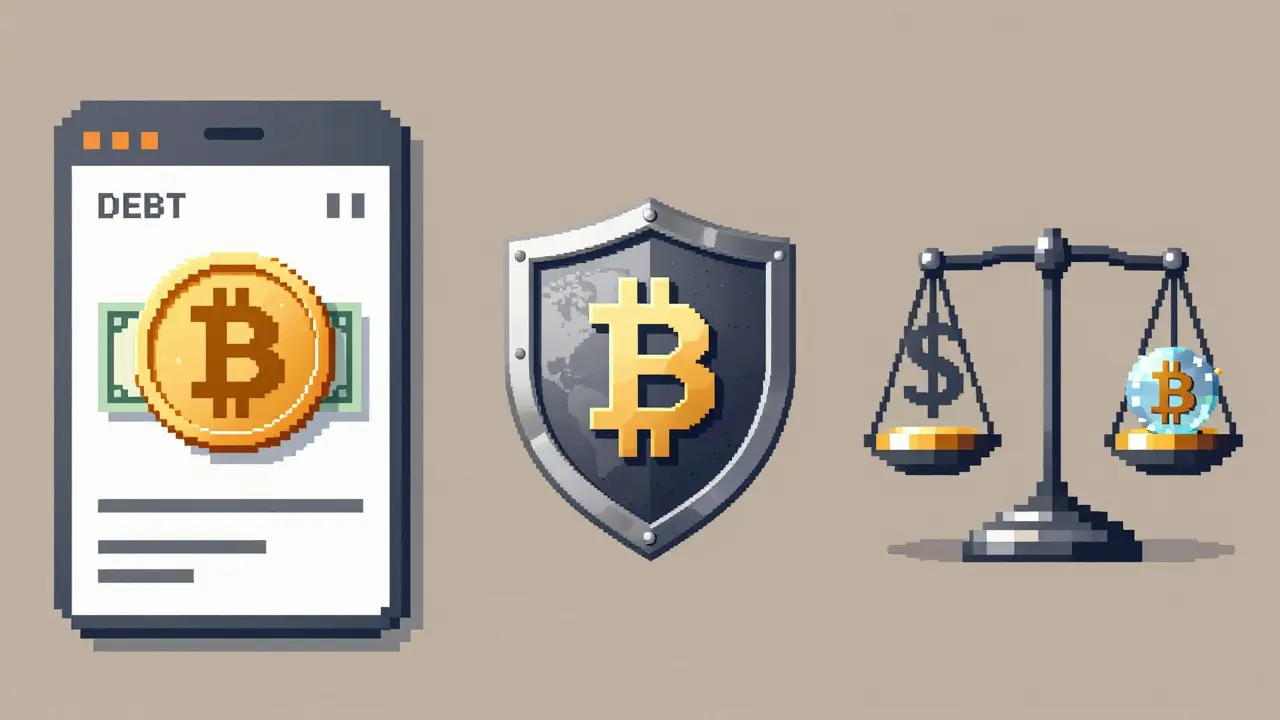
- Paying down national debt: If Bitcoin hits $150,000 or higher, the government could sell a portion of its holdings to reduce the $34 trillion national debt. That’s not a bailout-it’s a strategic asset liquidation.
- International leverage: Imagine the U.S. needs to respond to a global crisis. Instead of using dollars, it could offer Bitcoin as collateral or trade partner. This gives the U.S. new tools in diplomacy.
- Backing the dollar: Some lawmakers, like Congressman Nick Begich, want to tie the U.S. dollar to Bitcoin. The idea? Create a digital gold standard. Not to replace the dollar, but to give it a new anchor of value.
None of these uses are happening yet. But the framework is in place. All the rules, controls, and approval chains are built. It’s like having a nuclear weapon you’ve never fired-but now you know you can.
Why This Matters for Everyone
You don’t need to be a government official to care about SBR. This changes how the world sees Bitcoin. When the U.S. government treats Bitcoin as a legitimate reserve asset, it signals that this isn’t just a speculative trend. It’s becoming part of the financial infrastructure.
For investors, it means Bitcoin’s legitimacy is growing. For businesses, it means regulatory clarity is improving. For everyday people, it means the idea of digital money as a store of value is no longer fringe-it’s mainstream.
And it’s not just about money. It’s about power. The country that leads in digital asset strategy will shape the next global financial system. The U.S. just made its move.
Myths About SBR
Let’s clear up some confusion:
- Myth: SBR is a coin you can buy on exchanges.
Truth: SBR doesn’t exist as a token. It’s a policy. No wallet, no app, no trading pair. - Myth: The government is printing Bitcoin.
Truth: All Bitcoin in the reserve came from seizures. No new coins were created. - Myth: SBR will crash Bitcoin’s price by selling it.
Truth: The reserve is designed to hold, not sell. Selling would require a major policy change.
There’s no SBR token. No SBR app. No SBR ICO. Anyone selling you "SBR coins" is scamming you. Don’t fall for it.
What’s Next?
The next big question isn’t about Bitcoin’s price. It’s about whether the U.S. will ever start buying Bitcoin, not just seizing it. Congressman Begich’s proposal to acquire up to one million Bitcoin over five years is still under debate. If it passes, the SBR could grow tenfold.
One thing’s certain: Bitcoin is no longer just a currency. It’s a strategic asset. And the U.S. Strategic Bitcoin Reserve is the clearest sign yet that the world’s financial future is digital-and it’s being written by governments, not just developers.



Mara Alves Mariano
March 13, 2026 AT 09:06Adam Ashworth
March 13, 2026 AT 11:46Allison Davis
March 15, 2026 AT 04:21Sherry Kirkham
March 15, 2026 AT 05:03Jennifer Pilot
March 15, 2026 AT 17:03Sharon Tuck
March 16, 2026 AT 04:22karan narware
March 16, 2026 AT 08:44Michael Suttle
March 17, 2026 AT 10:43Jenni James
March 18, 2026 AT 18:40Chelsea Boonstra
March 20, 2026 AT 14:03Howard Headlee
March 22, 2026 AT 12:55Julie Tomek
March 23, 2026 AT 08:17Craig Gregory
March 24, 2026 AT 18:49William Montgomery
March 26, 2026 AT 14:56Alex Thorn
March 26, 2026 AT 15:49