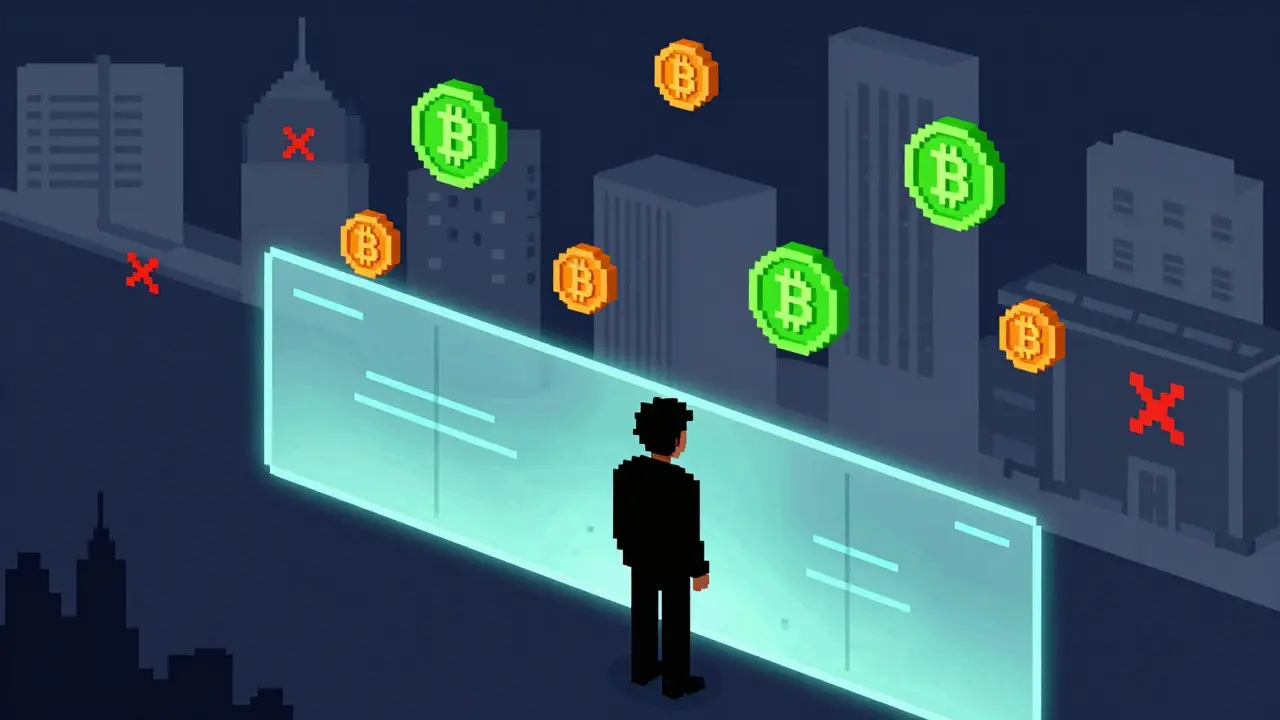
Imagine trying to send money home to your family in Kabul. You can’t use a bank because international sanctions have frozen the accounts. You can’t use Western Union easily because of strict capital controls. And if you try to buy cryptocurrency openly, the local authorities might arrest you. This is the daily reality for millions of Afghans today.
Despite an absolute ban on digital assets by the de facto government, cryptocurrency has become a lifeline for survival. USDT (Tether) and Bitcoin are flowing into Afghanistan through underground peer-to-peer networks. People aren’t using these tools for speculative gains or tech experiments. They are using them to eat, to pay for medicine, and to keep their families alive while the traditional banking system remains paralyzed.
The Legal Wall: Why Crypto Is Forbidden
To understand how this works, you first need to understand why it’s illegal. Since taking power in 2021, the Taliban regime has maintained a hardline stance against all forms of cryptocurrency. In 2022, they officially declared crypto transactions "haram" (forbidden under Islamic law). The reasoning combines religious interpretation with economic control. The leadership views decentralized currencies as a threat to their ability to manage the national economy and monitor financial flows.
Da Afghanistan Bank, the central bank, supports this prohibition. They argue that cryptocurrencies undermine the stability of the Afghan Afghani (AFN) and facilitate money laundering. To enforce this, the Financial Transactions and Reports Analysis Center of Afghanistan (FinTRACA) acts as the watchdog. Their job is to detect suspicious transactions and combat terrorism financing. If caught trading crypto, individuals face severe penalties, including fines, asset confiscation, and imprisonment.
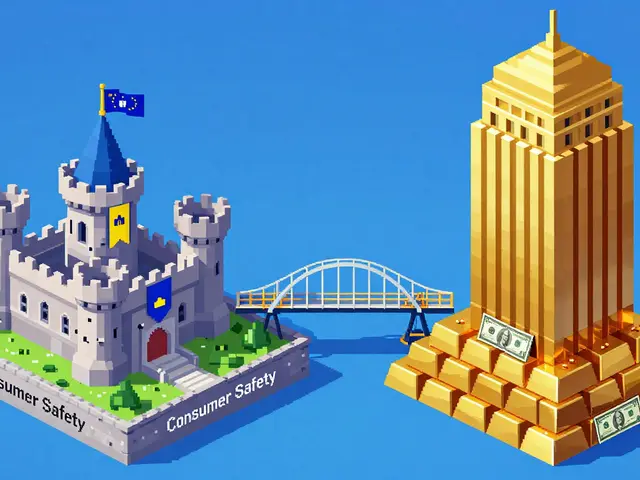
This creates a stark contrast with neighboring countries. Uzbekistan, for example, has legalized cryptocurrency mining and even leverages solar energy to power it. Afghanistan, however, has shown no interest in developing Central Bank Digital Currencies (CBDCs) or regulated blockchain frameworks. The policy is simple: total prohibition. There are no licenses to apply for, no regulated exchanges, and no legal way to hold digital assets.
Why People Ignore the Ban: Economic Necessity
If the law is so strict, why do people still use Bitcoin and USDT? The answer is desperation. The collapse of the formal banking sector left millions without access to basic financial services. International sanctions have isolated Afghanistan from the global SWIFT network, making cross-border transfers nearly impossible through traditional channels.
For many Afghans, especially those who worked for the previous government, civil society organizations, or women’s rights groups, bank accounts were simply closed. Even for ordinary citizens, sending money abroad or receiving remittances became a logistical nightmare. Cryptocurrency offers a bypass. It doesn’t care about your employment history, your gender, or political affiliations. It only cares about private keys.
USDT, in particular, has gained traction because it is pegged to the US dollar. The Afghan Afghani has suffered from high inflation and volatility. Holding savings in USDT provides a stable store of value. When someone sends money from Dubai or Istanbul to Kabul, converting it to USDT allows the recipient to preserve its purchasing power until they can exchange it for cash locally.

How Underground Remittances Actually Work
Since there are no licensed exchanges like Binance or Coinbase operating legally in Afghanistan, users rely on anonymous peer-to-peer (P2P) platforms. Services like Pursa have emerged specifically to serve this market. These platforms advertise the ability to buy Tether (USDT) anonymously using bank transfers, often claiming transactions complete within seconds without registration or KYC (Know Your Customer) requirements.
The process typically looks like this:
- A sender abroad buys USDT on a global exchange.
- They transfer the USDT to a trusted intermediary or directly to a P2P platform operating in the region.
- In Afghanistan, a local trader holds the USDT in a wallet and agrees to sell it for Afghan Afghani via a local bank transfer or cash pickup.
- The recipient receives the fiat currency in their local account or in hand, while the trader takes the USDT.
These transactions happen in the shadows. Traders operate out of tea shops, online chat groups, and encrypted messaging apps. Trust is built through reputation rather than regulation. If a trader scams someone, word spreads quickly in tight-knit communities, destroying their business. This informal enforcement mechanism keeps the underground market functioning despite the lack of legal oversight.
Crypto as a Tool for Women’s Financial Freedom
One of the most poignant aspects of this story involves Afghan women. Under Taliban rule, women face severe restrictions on movement, employment, and education. Many cannot open bank accounts because they lack the required identification documents or male guardianship approvals. Traditional financial systems have effectively erased them from the economy.
Digital Citizen Fund founder Roya Mahboob, a tech entrepreneur and human rights advocate, has highlighted this issue on global stages like the Bitcoin Policy Summit. Her organization provides Afghan women with financial and digital literacy training through online and underground channels. A significant part of this curriculum focuses on Bitcoin ownership and usage.
Mahboob explains that Bitcoin offers hope for financial freedom. Because it requires no ID, no bank account, and no permission from a male guardian, it empowers women to save and transact independently. The Digital Citizen Fund collaborates with the Human Rights Foundation to leverage Bitcoin’s decentralized nature as a tool for democratizing financial services. For many women, holding crypto isn’t just about money; it’s about retaining agency over their own lives in a system designed to strip it away.

Risks and Realities of the Black Market
While the benefits are clear, the risks are substantial. Operating in an illegal gray market means users have no recourse if something goes wrong. There are no chargebacks, no customer support lines, and no insurance. Scams are prevalent. Fake wallets, phishing links, and dishonest traders pose constant threats.
Moreover, the Taliban conducts periodic crackdowns. Authorities shut down suspected crypto exchanges, arrest traders, and confiscate funds. While the underground nature of P2P trading makes complete eradication impossible, the threat looms large. Users must constantly adapt, changing platforms, using new encryption methods, and moving funds frequently to avoid detection.
Infrastructure challenges also play a role. Internet connectivity in Afghanistan is unreliable and heavily monitored. Electricity shortages make running nodes or mining difficult, though mining is less relevant for average users relying on remittances. Most participants are lightweight users-holding assets in mobile wallets and interacting only when necessary to minimize exposure.
| Feature | Traditional Banking/Hawala | Crypto (USDT/BTC) P2P |
|---|---|---|
| Legality | Restricted/Sanctioned | Illegal (Banned) |
| Access for Women | Very Limited (ID/Guardian needed) | High (Anonymous/No ID) |
| Speed | Days to Weeks | Minutes to Hours |
| Cost | High Fees + Middlemen | Variable (Network fees + Trader spread) |
| Security Risk | Account Freezes | Scams/Theft/Arrest |
| Value Stability | Dependent on AFN Volatility | Stable (if using USDT) |
The Future Outlook: Stalemate or Change?
As of mid-2026, there are no signs that the Taliban will lift the ban. The government remains focused on consolidating control and adhering to conservative interpretations of Sharia law. However, the economic pressure is mounting. With humanitarian needs growing and international aid increasingly tied to strict conditions, the demand for alternative financial rails will likely increase.
Experts suggest that underground crypto usage will persist as long as traditional banking remains unstable. The dichotomy between official prohibition and grassroots adoption shows no sign of resolving. The state wants control; the people want survival. Until a middle ground emerges-or until the political landscape shifts dramatically-Bitcoin and USDT will remain crucial, albeit dangerous, tools for everyday Afghans.
For now, the narrative is not one of technological innovation, but of resilience. Every transaction represents a small act of defiance against isolation and oppression. It is a reminder that while governments can ban technologies, they cannot easily ban the human drive to connect and survive.
Is it legal to use Bitcoin in Afghanistan?
No, it is strictly illegal. The Taliban regime banned all cryptocurrency activities in 2022, declaring them "haram." Violators can face fines, asset confiscation, and arrest. There are no legal exchanges or regulatory frameworks for crypto in the country.
How do people in Afghanistan receive USDT remittances?
People use anonymous peer-to-peer (P2P) platforms and underground traders. Senders transfer USDT digitally, and local traders convert it to Afghan Afghani via bank transfers or cash pickups. This process avoids traditional banking channels which are often blocked by sanctions or closed to specific individuals.
Why is USDT more popular than Bitcoin for daily transactions?
USDT is pegged to the US dollar, providing price stability. The Afghan Afghani is volatile, so holding savings in USDT protects against inflation. Bitcoin’s price fluctuations make it riskier for everyday purchases or short-term savings, though it is still used for larger cross-border transfers.
Can Afghan women use cryptocurrency safely?
Crypto offers women greater financial independence because it does not require ID or male guardianship. Organizations like the Digital Citizen Fund train women in digital literacy. However, safety risks remain due to scams, lack of legal recourse, and potential surveillance by authorities.
What happens if you get caught trading crypto in Afghanistan?
Penalties include heavy fines, confiscation of assets, and imprisonment. The Financial Transactions and Reports Analysis Center of Afghanistan (FinTRACA) monitors for suspicious activity. Enforcement varies by region, but crackdowns on exchanges and traders occur periodically.