
Profit Sharing in Crypto: Definitions, Models & Practical Insights
When working with profit sharing, a distribution method where token holders receive a portion of platform earnings. Also known as revenue share, it helps align incentives between users and projects. Profit sharing often appears alongside liquidity mining, a process that rewards users for providing liquidity to a pool, and it can be combined with airdrop campaigns that seed tokens to early adopters. In many DeFi protocols, DeFi lending platforms use profit sharing to give lenders a slice of interest revenue, while token utility determines how those shared profits affect token value.
Profit sharing encompasses several sub‑topics. First, the distribution model can be fixed (e.g., 10% of net revenue each month) or dynamic (adjusted by protocol performance). Second, eligibility criteria decide who gets a cut—any holder, only stakers, or participants in a specific liquidity pool. Third, the payout frequency ranges from instant on‑chain claims to quarterly settlements. These attributes directly influence a token’s attractiveness; a clear, frequent profit‑share schedule often boosts price stability because holders can anticipate real cash‑flow benefits.
Why Profit Sharing Matters in Crypto
Profit sharing creates a feedback loop between a platform’s success and its community’s wealth. When users see a steady stream of shared earnings, they tend to hold longer, which reduces sell pressure and supports higher market caps. This loop is evident in liquidity mining programs that allocate a share of trading fees to liquidity providers, effectively turning fee revenue into a profit‑share bonus. Likewise, airdrops that grant initial tokens can be structured as future profit‑share rights, turning a free giveaway into a long‑term incentive. DeFi lending platforms like Aave or Compound illustrate the same principle: lenders earn interest, and a portion of that interest is redistributed as profit shares, enhancing overall yield.
In practice, token utility ties the profit‑share model to real use cases. A utility token that grants voting rights, governance power, or access to premium services becomes more valuable when profit sharing adds a tangible financial benefit. For example, a governance token might let holders vote on fee structures, and the resulting fee adjustments directly affect the profit share they receive. This interdependence means that changes in token utility—such as expanding a token’s role in cross‑chain swaps—can ripple through the profit‑share payouts, creating a dynamic ecosystem where every participant’s action has financial weight.
Risk management is a key part of any profit‑sharing strategy. Since payouts depend on platform revenue, a sudden drop in activity can shrink the share pool, leaving participants with lower returns. That’s why many projects diversify profit sources: trading fees, borrowing interest, staking rewards, and even token‑sale proceeds. By spreading income across multiple streams, they cushion the impact of market swings. Understanding the underlying revenue streams is essential before committing capital to a profit‑sharing token.
Below you’ll find a curated set of articles that dive deeper into each of these angles. From detailed breakdowns of liquidity mining models to real‑world case studies on airdrop structures, from DeFi lending interest mechanisms to how token utility drives value, the collection gives you actionable insights to evaluate any profit‑sharing opportunity. Keep reading to see how these concepts play out across different platforms and what you can take away for your own portfolio.
Marnotaur TAUR NFT Airdrop: Complete Guide & Details
By Robert Stukes On 13 Oct, 2025 Comments (19)
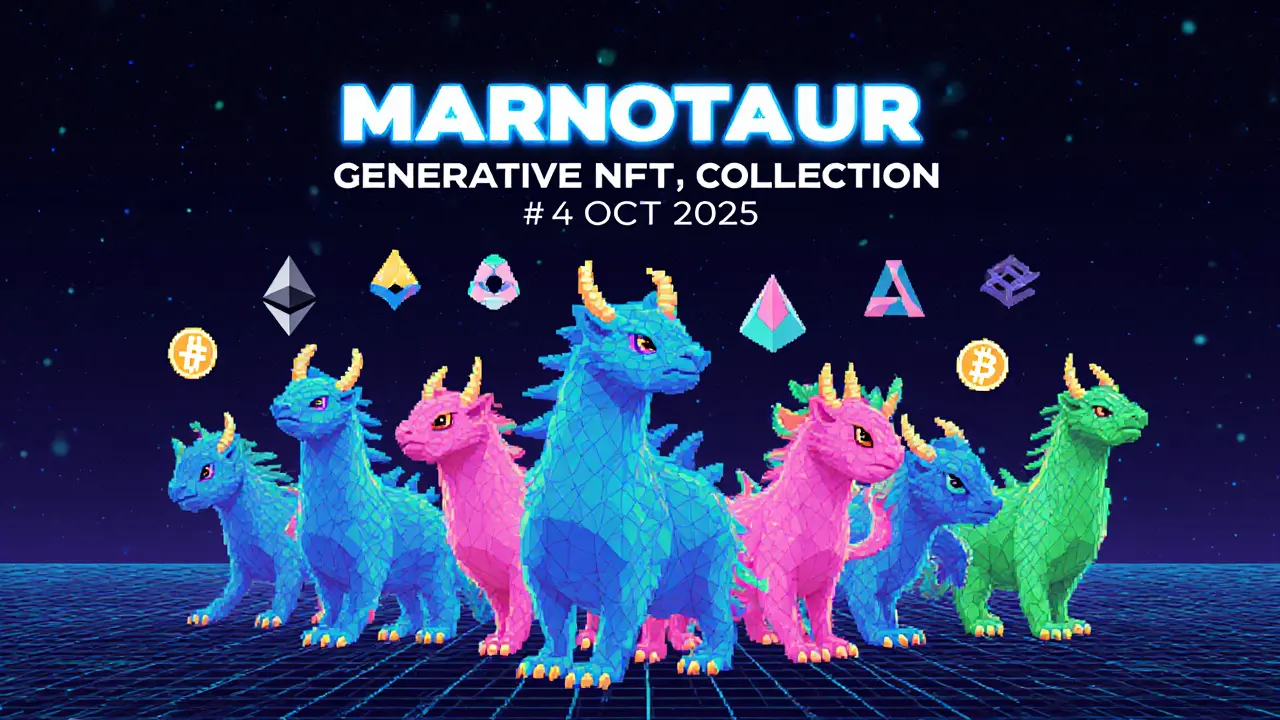
Discover the Marnotaur Generative NFT Collection, TAUR token details, profit‑sharing rules, eligibility, and step‑by‑step guide to claim rewards.
View More