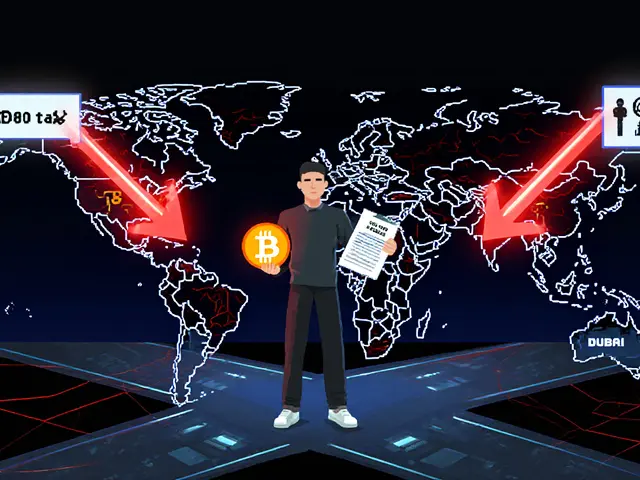
Iran Crypto Regulations: What’s Changing and How It Affects Investors
When working with Iran crypto regulations, the set of laws and guidelines that govern digital assets within Iran. Also known as Iranian cryptocurrency rules, they define who can offer crypto services, what reporting obligations exist, and how the central bank interacts with the sector. The Financial Action Task Force (FATF) shapes these rules by publishing global AML standards that Iran must align with, while exchange licensing determines which platforms receive official approval to operate. AML compliance is a core pillar, forcing exchanges to verify users, monitor transactions, and report suspicious activity. All of this means that anyone wanting to trade, hold, or develop crypto projects in Iran must navigate a tightly regulated environment that blends local policy with international pressure.
Key Themes in Iran’s Crypto Landscape
One of the biggest practical impacts of Iran crypto regulations is the licensing hurdle for exchanges. Platforms like Coincall, ProBit Global, and LCX have built detailed compliance programs to meet both Iranian requirements and FATF expectations, offering tighter KYC checks and transparent fee structures. This dual‑layer approach often raises costs for users, but it also brings a level of security that attracts institutional players looking for a clear legal framework. Another hot topic is the central bank’s stance on stablecoins and tokenized assets; recent guidance hints at a cautious acceptance, provided the tokens are backed by real assets and reported to the Ministry of Economic Affairs. Meanwhile, AML rules have tightened, with new thresholds for reporting large transfers and mandatory real‑name verification for all crypto wallets. These steps aim to curb money‑laundering risks while still allowing legitimate traders to access global markets.
Beyond the regulatory checklist, the real‑world effect shows up in market behavior. Traders notice slower onboarding times, higher verification fees, and occasional temporary shutdowns of unlicensed platforms. Developers, on the other hand, weigh the benefits of operating under a regulated regime—such as easier access to banking services—against the overhead of ongoing compliance audits. The overall picture is a maturing ecosystem where compliance is becoming a competitive advantage rather than a roadblock. As the rules evolve, you’ll see more exchange reviews, risk‑management guides, and tax‑optimization strategies tailored specifically to Iran’s unique environment.
What follows is a curated collection of articles that break down these topics in depth. You’ll find exchange reviews, insights on FATF’s impact, step‑by‑step licensing guides, and practical tips for staying compliant while maximizing your crypto opportunities in Iran.
Crypto Exchanges to Avoid if You Are Iranian - 2025 Risks & Safeguards
By Robert Stukes On 16 Dec, 2024 Comments (23)
Learn which crypto exchanges put Iranian users at risk in 2025, why sanctions and local laws matter, and how to safeguard your digital assets.
View More