Ingredient NFTs – The New Way to Verify Real‑World Ingredients
When working with ingredient NFTs, digital tokens that represent a specific physical ingredient or raw material. Also known as tokenized ingredients, they let producers attach immutable proof of origin, quality, and chain‑of‑custody to anything from coffee beans to rare spices. Product authentication NFTs, unique, tamper‑proof certificates stored on a blockchain are the backbone of this system, letting consumers scan a QR code and instantly verify the claim. The whole concept sits on blockchain, a distributed ledger that records every transaction in a transparent, immutable way, which guarantees that no one can alter the ingredient’s provenance after the fact. To keep these tokens safe and accessible over the years, they rely on NFT storage solutions, decentralized platforms like IPFS, Arweave, or Filecoin that archive the token’s metadata forever. In short, ingredient NFTs encompass product authentication, require blockchain for trust, and need decentralized storage for longevity – a triple that reshapes how we prove what’s inside a package.
Why ingredient NFTs matter today
Imagine buying a bottle of olive oil and instantly checking its harvest date, farm location, and organic certification on your phone. That’s what ingredient NFTs enable, and they’re already being piloted by upscale food brands, luxury cosmetics, and even pharmaceutical firms. The ingredient NFTs act as digital passports: each token carries metadata like batch number, testing results, and regulatory approvals. Because the data lives on a blockchain, any attempt to fake a label shows up as a mismatch with the token’s hash. This not only protects consumers from counterfeit goods but also helps regulators enforce safety standards without costly manual audits.
From a business perspective, tokenizing ingredients unlocks new revenue streams. Companies can issue secondary markets for high‑value batches, let chefs trade rare spice NFTs, or offer “farm‑to‑table” experiences tied to a specific token. The tokenization process – turning a physical good into a unique digital identifier – relies on smart contracts that automate ownership transfers and royalty payments. While the token itself lives on the blockchain, the actual ingredient stays in the real world, linked via a secure RFID tag or QR code. This hybrid model blends the tangible with the digital, creating a verifiable link that satisfies both supply‑chain managers and end‑users.
Looking ahead, scalability and storage will become the next big hurdles. As more brands adopt ingredient NFTs, the number of transactions will surge, demanding faster layer‑2 solutions or roll‑up technologies to keep fees low. Meanwhile, long‑term preservation of token metadata calls for robust NFT storage. Decentralized options like Arweave’s permaweb guarantee that the data never disappears, even if the original platform shuts down. Together, these advances ensure that ingredient NFTs remain reliable references for years to come, not just a passing trend.
The collection below pulls together deep dives on related topics: from how NFTs protect product authenticity, to the future of NFT storage, to practical guides on tokenizing real‑world assets. Whether you’re a brand looking to launch a tokenized ingredient line or a consumer curious about the tech behind your next coffee purchase, the articles ahead will give you the insights you need to navigate this fast‑evolving space.
OneRare (ORARE) First Harvest Airdrop: Full Details, Token Info, and NFT Breakdown
By Robert Stukes On 17 Apr, 2025 Comments (13)
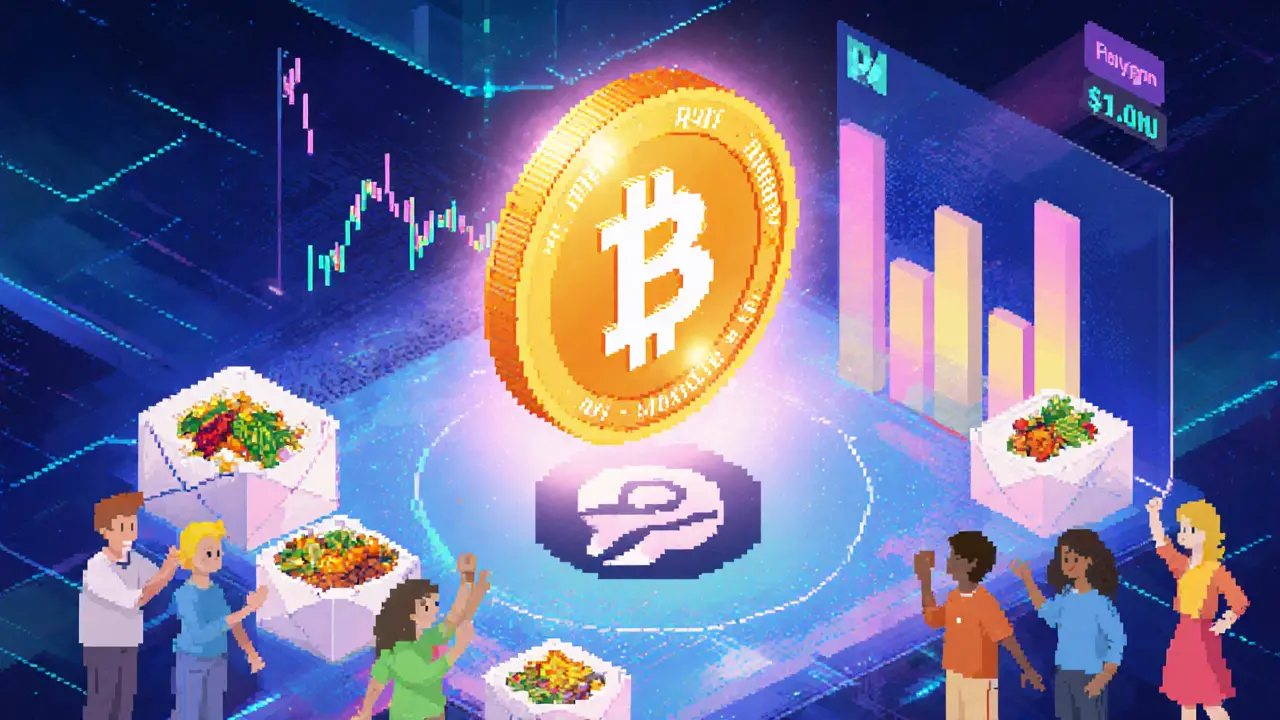
Discover the full details of the OneRare First Harvest airdrop, from eligibility steps and ingredient NFT values to token economics and future outlook for the ORARE ecosystem.
View More