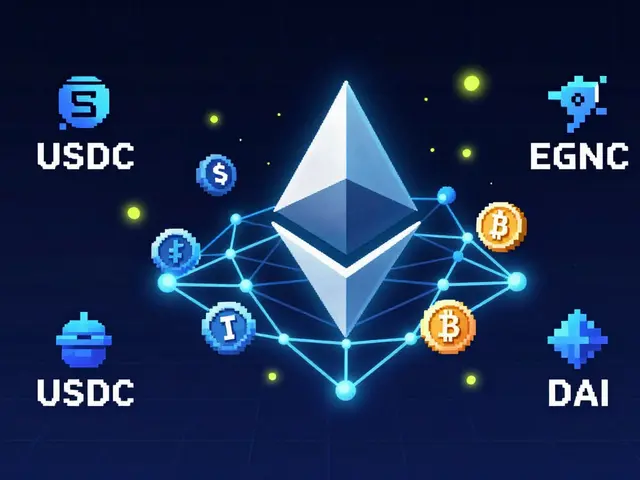
EOSIO: What It Is, How It Works, and Why It Still Matters in Crypto
When you hear EOSIO, a high-performance blockchain platform designed for decentralized applications. Also known as EOS Blockchain, it was built to handle thousands of transactions per second without fees—something Bitcoin and early Ethereum couldn’t do. Unlike other chains that charge gas fees, EOSIO lets users stake tokens to access network resources. That meant developers could build apps without worrying about users getting priced out by spikes in network costs.
EOSIO isn’t just a blockchain—it’s a whole ecosystem for building DApps, decentralized applications that run without central servers. Think of it like Android for blockchain: developers could create games, social networks, and financial tools without needing permission. Projects like EOS Knights, Splinterlands, and even early versions of decentralized exchanges ran on it. Its smart contracts, self-executing code that runs on the blockchain without third parties were written in C++, which made them faster but harder to audit than Solidity-based contracts on Ethereum.
But here’s the thing: EOSIO’s speed came with trade-offs. The lack of transaction fees meant centralized control over block production. Just 21 validators, elected by token holders, controlled the network. That made it vulnerable to collusion and censorship. When the EOS token price dropped in 2019, voter turnout fell, and power concentrated in fewer hands. Critics called it a centralized system pretending to be decentralized. Still, the tech didn’t disappear. Developers who built on EOSIO kept working. Some moved to forks like WAX or Telos. Others kept improving the original chain. Even today, if you’re looking at a blockchain that handles high-volume gaming or NFTs without fees, you’re probably looking at something built on EOSIO’s foundation.
What you’ll find in the posts below isn’t a history lesson—it’s a real look at what happened after the hype. You’ll see how EOSIO-powered projects succeeded or failed, how tokenomics played out, and why some teams stuck with it while others walked away. No fluff. Just facts about what worked, what didn’t, and where the real value still lives.
Alcor Crypto Exchange Review: Best for EOSIO Traders in 2025
By Robert Stukes On 3 Dec, 2025 Comments (13)
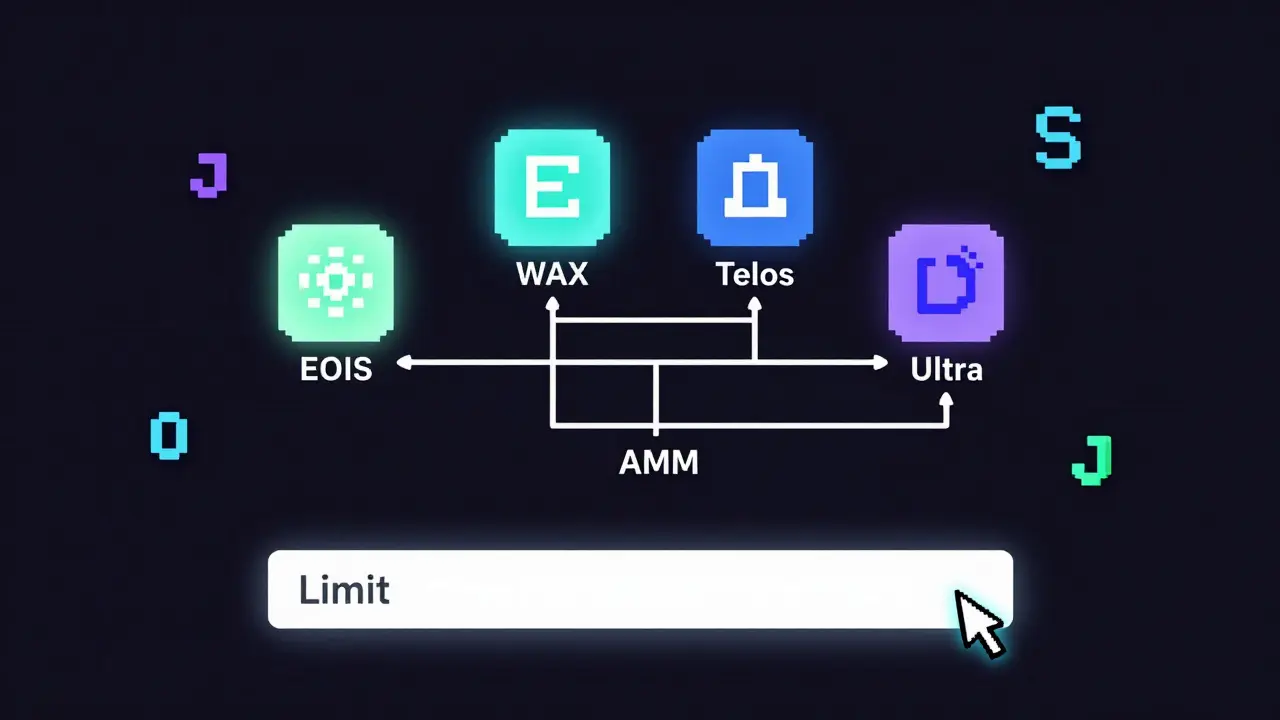
Alcor Exchange is a decentralized DEX built for EOSIO chains like WAX and EOS. It offers cross-chain trading with tight spreads but lacks audits and mobile access. Best for experienced traders in the EOSIO ecosystem.
View More