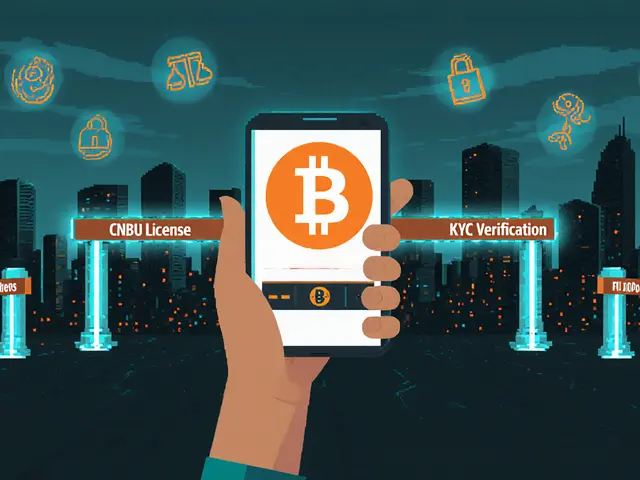
Cryptocurrency Regulation Cuba: What You Need to Know
When looking at cryptocurrency regulation Cuba, the set of laws and policies that govern digital assets on the island. Also known as Cuban crypto rules, it shapes everything from how exchanges operate to how investors file taxes. Cryptocurrency regulation Cuba is not a standalone system; it leans heavily on international standards like those set by FATF, the Financial Action Task Force that issues AML and KYC guidelines for crypto and requires local crypto exchanges, platforms where Cuban users can trade, deposit, or withdraw digital coins to obtain proper licensing. The Cuban government also ties these rules to its tax policy, the framework that determines how crypto gains are reported and taxed, making compliance a must‑have for anyone dealing with crypto on the island.
Key Pillars of Cuban Crypto Rules
The first pillar is licensing. The Cuban Ministry of Finances now requires every crypto exchange serving Cuban residents to register, submit AML reports, and keep user data on a government‑approved server. This mirrors the FATF's demand for “travel rule” compliance, meaning that when a Cuban user sends coins abroad, the exchange must attach identifying information. The second pillar is taxation. While Cuba has not yet published a clear capital‑gains tax rate for crypto, the tax policy draft suggests a 10% levy on profits above a certain threshold, and a 0% rate for low‑volume traders. The third pillar is consumer protection. New guidelines forbid exchanges from advertising unrealistic returns and force them to disclose fee structures in Cuban pesos.
These pillars interact in a simple chain: FATF guidelines push the government to tighten licensing, licensing forces exchanges to adopt robust AML procedures, and the tax policy uses the data from licensed exchanges to calculate duties. In practice, a Cuban trader who signs up on a compliant exchange will see a KYC screen asking for a passport, a proof‑of‑address, and a source‑of‑funds declaration. Once verified, the platform can automatically generate a quarterly report that the user can upload to the tax authority, eliminating the guesswork that plagued early adopters.
Because the rules are still evolving, many exchanges adopt a “wait‑and‑see” approach. However, the trend is clear: compliance brings credibility, and credible exchanges attract more liquidity. For example, the recent review of Coincall crypto exchange highlighted its strong licensing in Caribbean jurisdictions, which makes it a safer option for Cuban users compared to unregulated platforms. Similarly, the LCX Exchange’s recent FATF‑aligned policies show how aligning with global standards can open doors to institutional investors—even in a small market like Cuba.
So what does this mean for you? Below you’ll find a curated list of articles that break down each piece of the puzzle: from exchange reviews that meet Cuban licensing criteria, to deep dives on how the FATF’s travel rule reshapes cross‑border transfers, and a look at the emerging tax framework that could affect your crypto earnings. Whether you’re a casual trader, a crypto‑focused startup, or just curious about how Cuba is catching up with the rest of the world, these posts give you practical insights you can act on right now.
Cuba cryptocurrency regulation - No ban, just licensing
By Robert Stukes On 18 Jul, 2025 Comments (25)

Cuba doesn't ban crypto-its 2021 Resolution215 regulates digital assets, requiring licences and AML checks. Learn the legal status, licensing steps, user trends, and future outlook.
View More