Crypto Exchanges Iran – Guides, Reviews, and Safety Tips
When talking about crypto exchanges Iran, platforms that let Iranian users buy, sell, and trade digital assets, also known as Iranian crypto exchanges, you’re stepping into a space shaped by unique challenges and opportunities. Regulation, government rules that control how exchanges operate plays a major role: without clear legal guidance, many services scramble to stay compliant. At the same time, security, protective measures that guard users’ funds and data is non‑negotiable, especially when sanctions add extra layers of risk. Finally, trading fees, the cost structure applied to each transaction can make or break a trader’s profit margin. In short, crypto exchanges Iran encompass regulation compliance, demand robust security, and are directly influenced by fee structures.
Why Regulation Matters for Iranian Traders
Iran’s financial authorities have issued specific guidelines that affect how exchanges handle KYC, AML, and cross‑border transfers. This regulation influences everything from the types of fiat you can deposit to the way you withdraw crypto to an overseas wallet. Exchanges that ignore these rules risk being blocked or losing access to local banking partners, which in turn pushes users toward less reputable platforms. Understanding the regulatory landscape helps you pick services that stay online and keep your assets safe.
Security is another pillar you can’t overlook. Iranian users often face heightened cyber threats, so a reputable exchange must offer cold‑storage options, two‑factor authentication, and regular security audits. When a platform invests in security measures, it lowers the chance of hacks that could wipe out your portfolio overnight. Look for clear security policies and transparent incident reports—these are signs that the exchange takes user protection seriously.
Then there’s the matter of trading fees. Some exchanges charge a flat rate, while others use a tiered model based on volume. In Iran, where market liquidity can be thin, high fees quickly eat into profits. Comparing fee schedules across platforms lets you spot the most cost‑effective option for your trading style, whether you’re a day trader or a long‑term holder.
Beyond regulation, security, and fees, the broader crypto market Iran is part of shows rapid growth. New token launches, airdrops, and DeFi projects are popping up regularly, creating both hype and risk. A solid exchange will give you access to a wide range of assets—from Bitcoin to emerging altcoins—while providing reliable market data and analytics. This breadth of selection is crucial for anyone looking to diversify beyond the major coins.
When you combine these factors— regulatory compliance, strong security, transparent fee structures, and a diverse asset roster—you get a clear picture of what makes a crypto exchange suitable for Iranian users. Each of these entities interacts: stricter regulation can lead to higher compliance costs, which may be reflected in trading fees; better security can attract more users, boosting liquidity and potentially lowering fees. Recognizing these relationships helps you make an informed choice.
Our collection of articles below dives deep into individual platforms, compares their features, and highlights real‑world use cases. You’ll find reviews of exchanges that focus on institutional traders, those that blend casino‑style betting with trading, and niche services that cater to specific token ecosystems. Whether you’re hunting for the lowest fees, the safest storage, or the best compliance track record, the posts ahead give you actionable insight.
Ready to explore detailed exchange reviews, learn how Iran’s regulation shapes the market, and pick the right platform for your strategy? Scroll down to discover the full lineup of resources that will guide your next crypto move.
Crypto Exchanges to Avoid if You Are Iranian - 2025 Risks & Safeguards
By Robert Stukes On 16 Dec, 2024 Comments (23)
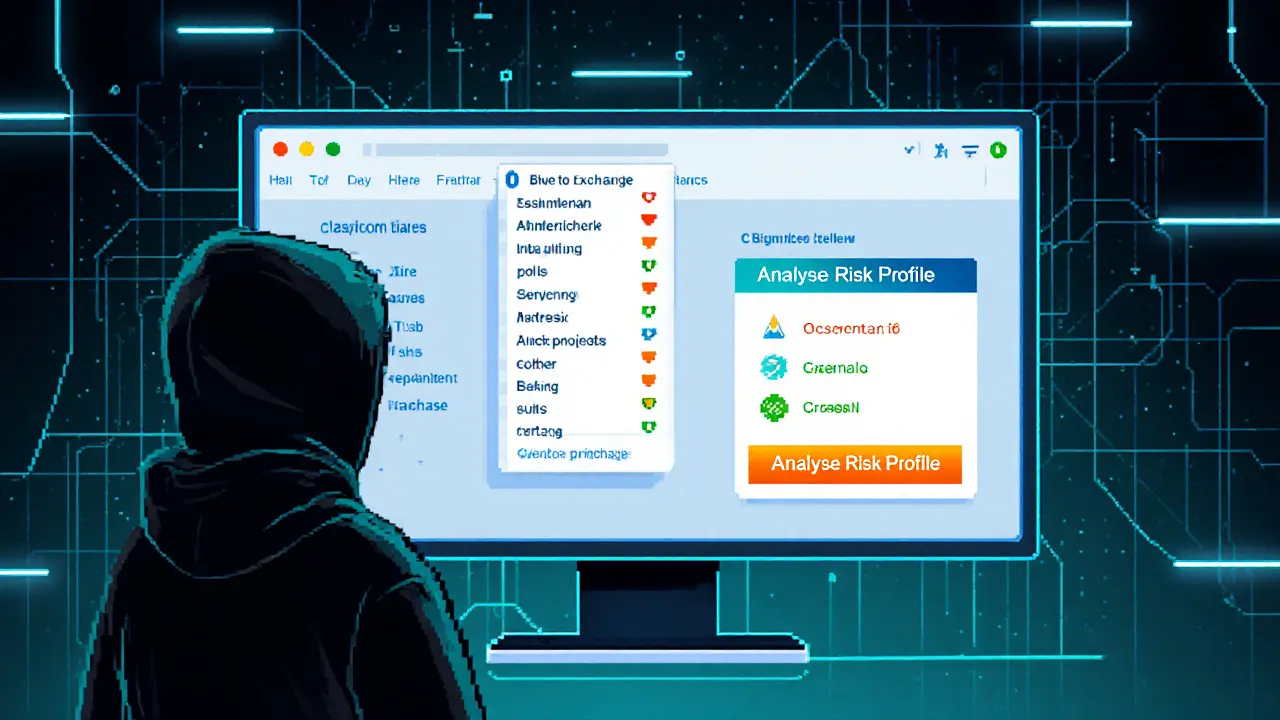
Learn which crypto exchanges put Iranian users at risk in 2025, why sanctions and local laws matter, and how to safeguard your digital assets.
View More