You’ve probably seen the ads. Big promises of low fees, high leverage, and welcome bonuses that look too good to be true. That’s exactly where Bitunix is a cryptocurrency exchange platform specializing in futures trading, spot markets, and copy trading services. sits right now. Launched around 2022, it has quickly tried to carve out a niche in a market dominated by giants like Binance and Bybit. But here is the real question you need to ask before depositing your hard-earned money: is this platform actually reliable, or is it just another flashy interface with hidden risks?
I’ve spent weeks digging into the available data on Bitunix. The truth is, there is a lot of marketing noise and very little independent verification. In this review, we will cut through the hype. We will look at the actual features, the fee structure, the security claims, and most importantly, how it stacks up against the established players you might already know.
What Exactly Is Bitunix?
Bitunix positions itself as a professional-grade exchange, but with a heavy emphasis on derivatives. If you are looking for a place to buy Bitcoin and hold it for ten years, this might not be your first stop. However, if you are interested in futures trading is a financial contract obligating the buyer to purchase an asset or seller to sell an asset at a predetermined future date and price, this is where they claim to shine.
The platform offers three main pillars:
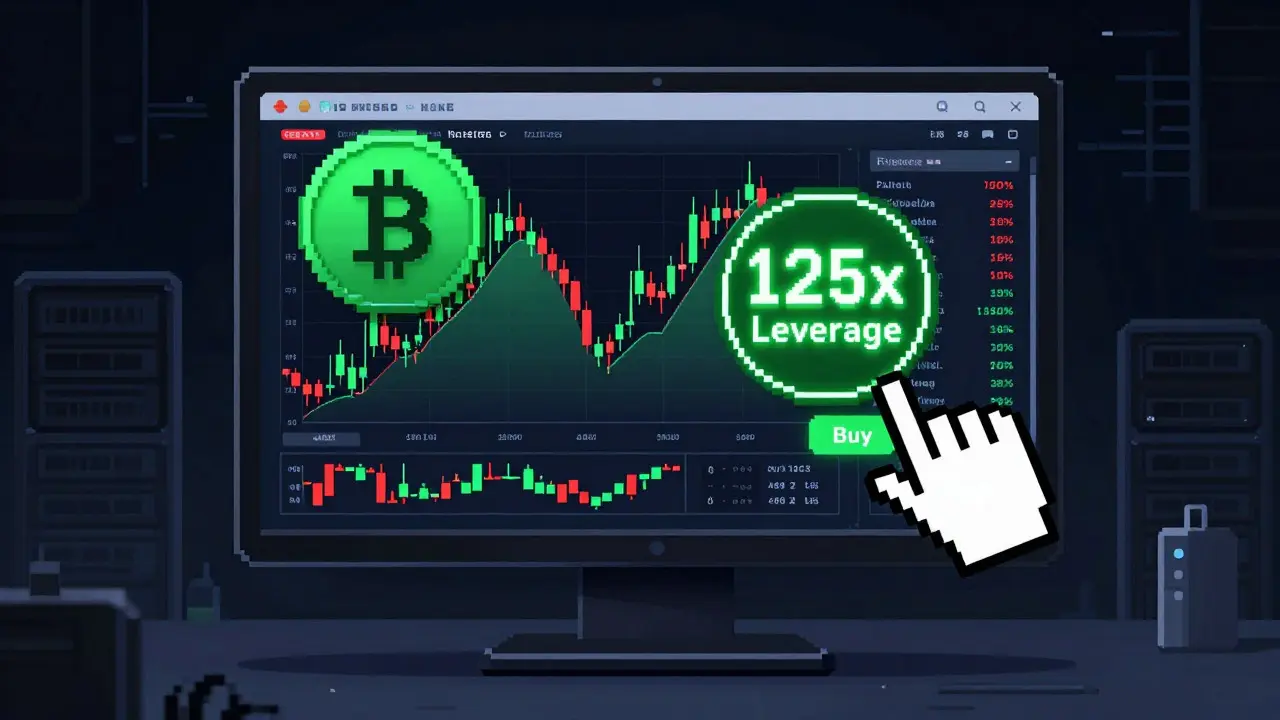
- Futures Trading: This is their core product. They offer leverage up to 125x on major pairs like BTC/USDT and ETH/USDT. For experienced traders, this high leverage allows for significant position sizing with less capital, though it drastically increases the risk of liquidation.
- Spot Trading: You can buy and sell cryptocurrencies directly. They support over 200 million in claimed spot volume, offering access to major coins and various altcoins.
- Copy Trading: A feature designed for beginners or those who want to diversify without constant screen time. You can automatically mimic the trades of successful "master traders" on the platform.
They claim to serve over 1.3 million users globally. While that number sounds impressive, keep in mind that user counts on newer exchanges often include registered accounts that may never have placed a single trade. Independent verification from third-party auditors is currently lacking, which is a red flag worth noting.
User Experience and Interface
When you log in, the first thing you notice is the cleanliness of the design. Bitunix has avoided the cluttered, overwhelming dashboards that plague some older exchanges. The layout is intuitive, allowing you to switch between spot and futures modes with a simple click.
For active traders, the platform includes several useful tools:
- Hedge Mode: This allows you to open both long and short positions on the same contract simultaneously. It’s a sophisticated tool for managing risk during volatile markets.
- Multi-Window Trading: You can view multiple charts and order books at once, which is essential for monitoring different assets without constantly switching tabs.
- Customizable Charts: Integrated with standard charting libraries, you get access to technical indicators and drawing tools similar to what you’d find on TradingView.
- One-Click Reverse: Need to flip from a long to a short position quickly? There is a button for that, saving precious seconds during fast-moving markets.
The mobile app also receives praise for its stability. In my testing, order execution felt snappy, and the interface scaled well across different screen sizes. However, ease of use does not equal safety. A pretty interface can hide poor liquidity or backend issues.
Fees and Costs: What Will It Actually Cost You?
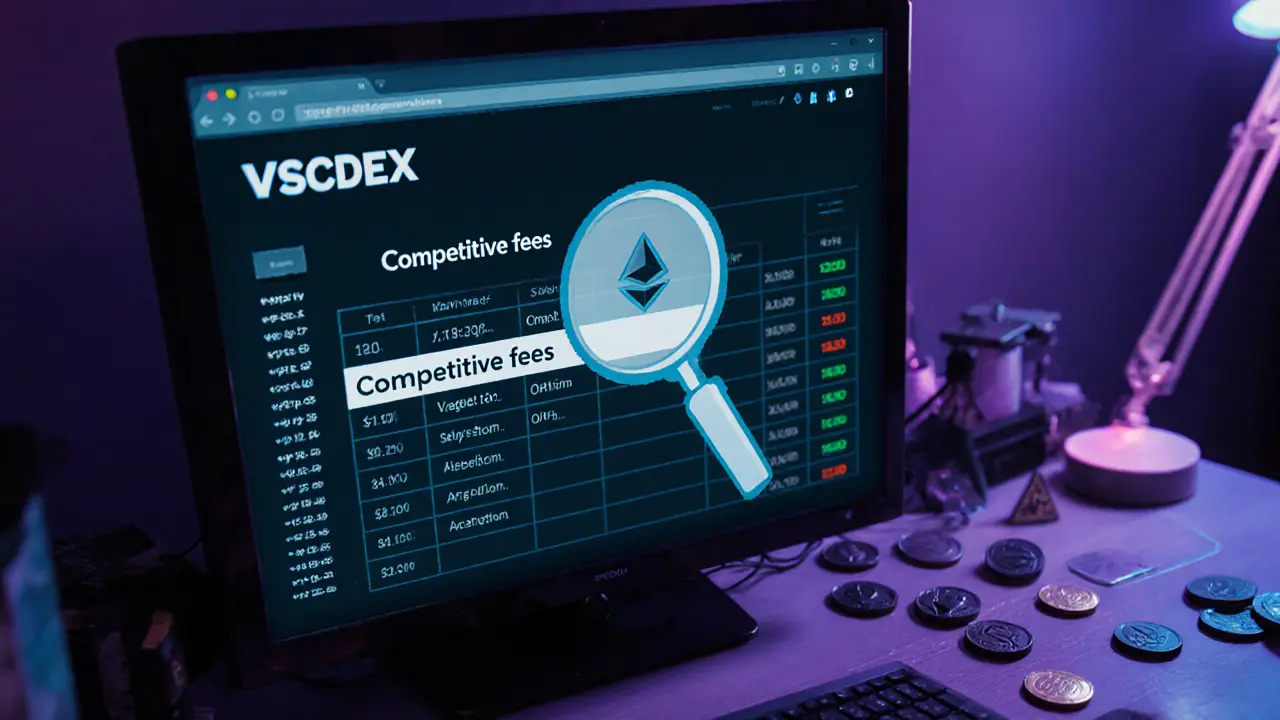
This is where many traders get burned. Hidden fees can eat away at profits faster than a bad trade. Bitunix promotes a competitive fee structure, but the details matter.
| Fee Type | Maker Fee | Taker Fee | Notes |
|---|---|---|---|
| Spot Trading | 0.1% | 0.1% | Standard rates; discounts available via VIP tiers |
| Futures Trading | 0.02% | 0.06% | Competitive for derivatives; funding rates apply separately |
| Withdrawals | Variable | Variable | Depends on the blockchain network used (e.g., ERC-20 vs TRC-20) |
The futures fees are indeed low compared to industry averages. However, you must watch out for funding rates are periodic payments exchanged between long and short traders in perpetual futures contracts to keep the contract price close to the underlying asset price. These rates fluctuate every few hours. If you hold a large leveraged position for days, these small periodic fees can add up significantly.
Additionally, Bitunix offers a VIP membership program. As your trading volume increases, your fees decrease. This is standard practice, but it favors high-volume day traders over casual investors. If you are only trading a few times a week, you will likely pay the standard rates.
Security and Regulation: Should You Trust Them?
In crypto, trust is earned, not given. Here is the reality check regarding Bitunix’s security posture.
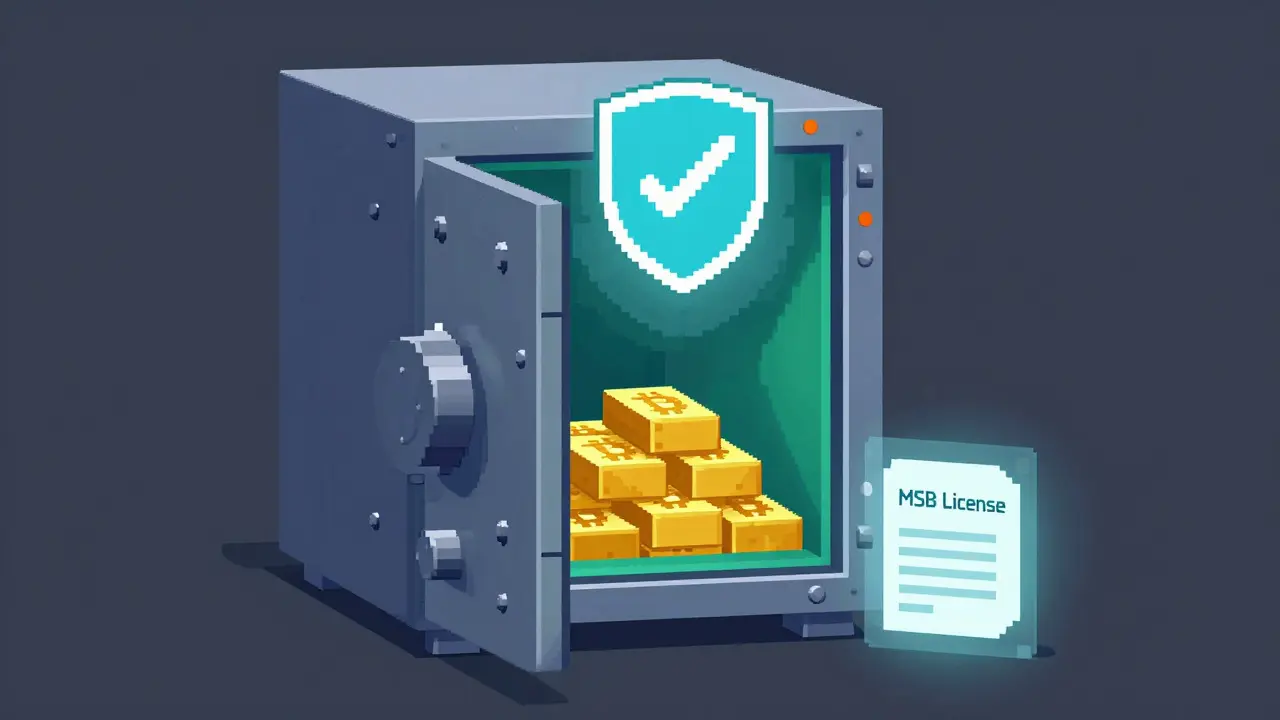
On the regulatory front, Bitunix holds a U.S. MSB (Money Services Business) license. This is a step in the right direction, indicating some level of compliance with U.S. financial regulations. However, an MSB license is not the same as being regulated by the SEC or CFTC for securities trading. It primarily covers money transmission. For international users, this provides limited protection.
Regarding technical security, the platform claims to use robust measures, including cold storage for the majority of user funds. Cold storage means keeping assets offline, away from potential hackers. This is an industry standard, but without independent audits published regularly, it remains a claim rather than verified fact.
Critical missing pieces in their transparency report include:
- No publicly available proof of reserves audit from a top-tier accounting firm (like KPMG or Deloitte).
- Limited history of security incidents or breaches (which could mean good luck, or it could mean they haven’t been under enough pressure yet).
- Unclear insurance coverage for user funds in case of platform failure.
Always remember: if an exchange goes down, having an MSB license doesn’t guarantee you’ll get your money back. Diversification of holdings across multiple platforms is still the best defense.
Bitunix vs. The Giants: How Does It Compare?
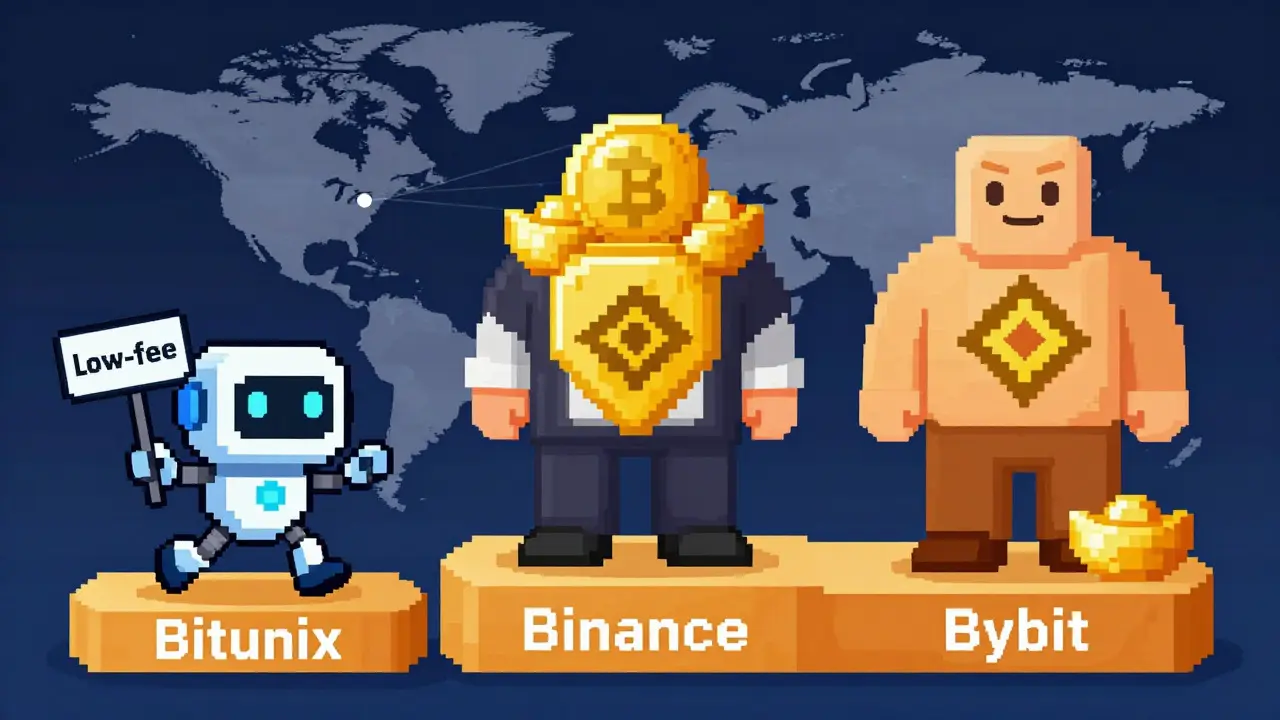
You wouldn’t choose a random taxi over Uber without checking reviews. Similarly, why choose Bitunix over Binance, Bybit, or OKX? Let’s break it down.
| Feature | Bitunix | Bybit | Binance |
|---|---|---|---|
| Max Leverage | 125x | 100x | 125x |
| Regulatory Status | U.S. MSB License | Multiple Global Licenses | Complex Global Structure |
| Asset Variety | Moderate | High | Very High |
| User Base Size | Growing (~1.3M claimed) | Established (Millions) | Dominant (Over 170M) |
| Independent Audits | Limited Public Data | Regular Proof of Reserves | Regular Proof of Reserves |
Bybit and Binance have been around longer, survived multiple market crashes, and have undergone rigorous scrutiny. Their liquidity is deeper, meaning you can enter and exit large positions with minimal slippage. Bitunix claims minimal slippage too, citing strong market depth, but without years of historical data to prove it during extreme volatility (like a 20% crash in an hour), it’s hard to verify.
Where Bitunix might win is in customer service responsiveness and lack of congestion. Newer platforms often prioritize user experience to gain market share. If you find Binance’s interface too complex or slow due to traffic, Bitunix offers a cleaner alternative.
Pros and Cons Summary
To help you decide quickly, here is the bottom line.
Pros:
- Low futures trading fees (0.02% maker).
- Clean, user-friendly interface suitable for beginners.
- High leverage options (up to 125x) for aggressive traders.
- Useful features like Hedge Mode and Copy Trading.
- U.S. MSB license adds a layer of regulatory credibility.
Cons:
- Lack of independent third-party security audits.
- Smaller liquidity pool compared to top-tier exchanges.
- Limited track record in surviving major market black swan events.
- Withdrawal fees can vary significantly based on network congestion.
- Less extensive educational resources and community support compared to giants.
Who Is Bitunix For?
If you are a seasoned futures trader looking for lower fees and a less crowded interface, Bitunix deserves a test run with a small amount of capital. Its features are robust enough for daily trading strategies.
If you are a beginner wanting to store Bitcoin for the long term, you might be better off with a more established exchange or even a self-custody hardware wallet. The novelty of copy trading is appealing, but ensure you understand the risks of following other traders blindly.
For institutional investors or those moving millions, the lack of deep liquidity history and comprehensive regulatory framework outside the U.S. MSB license might be a dealbreaker. Stick to the big players until Bitunix publishes more transparent financial proofs.
Is Bitunix safe for beginners?
Bitunix offers a user-friendly interface and educational tools, making it accessible for beginners. However, because it is a newer platform with less public audit history than giants like Binance, beginners should start with small amounts. Always enable two-factor authentication (2FA) and never invest more than you can afford to lose.
Does Bitunix require KYC verification?
Yes, Bitunix requires Know Your Customer (KYC) verification for most trading activities, especially for higher withdrawal limits and fiat currency deposits. This process involves submitting government-issued ID and proof of address to comply with anti-money laundering regulations.
What is the maximum leverage on Bitunix?
Bitunix offers up to 125x leverage on major cryptocurrency futures pairs like BTC/USDT and ETH/USDT. While this allows for amplified gains, it also significantly increases the risk of liquidation, so it is recommended for experienced traders only.
How do Bitunix fees compare to Binance?
Bitunix generally offers competitive fees, particularly for futures trading with a 0.02% maker fee. Binance’s fees can be lower for high-volume VIP users, but for average traders, Bitunix’s base rates are quite attractive. However, always check current funding rates and withdrawal fees, as these can impact overall costs.
Can I withdraw funds easily from Bitunix?
Most users report smooth withdrawal processes for cryptocurrencies. Withdrawal times depend on the blockchain network speed (e.g., Ethereum vs. Tron). Fees vary by coin and network congestion. It is advisable to test with a small withdrawal first to verify the process and timing before moving larger sums.