
Imagine buying a share of stock in 1990 and simply forgetting about it until today. Now imagine doing that with Bitcoin. The result is wildly different because the assets behave differently. This is the heart of the HODL investment strategy. It sounds like a typo for "hold," but it’s actually a specific philosophy in the world of blockchain knowledge and digital finance. It’s not just about keeping your coins; it’s about resisting the urge to panic when prices drop or get greedy when they spike.
If you’ve ever stared at a red screen during a market crash and felt your heart race, you know why this strategy exists. HODLing is the antidote to emotional trading. But does it actually work? Is it just luck disguised as patience? Let’s break down what HODL really means, how to do it right, and whether it fits your financial goals in 2026.
What Does HODL Actually Mean?
The term HODL originated from a drunken forum post in 2013 where a user claimed they were going to "HODL" their Bitcoin no matter what. It was meant to be a misspelling of "hold." Over time, the community adopted it as an acronym: "Hold On for Dear Life." While the humor remains, the strategy has evolved into a serious approach used by both retail investors and major institutions.
At its core, HODLing means buying a cryptocurrency and keeping it for a long period-usually years-regardless of short-term price swings. You ignore the daily noise. You don’t sell when the price drops 20% in a week. You don’t buy more just because everyone else is talking about gains. You stick to your plan based on the long-term potential of the technology behind the coin.
This differs significantly from traditional "buy-and-hold" strategies in the stock market. Stocks represent ownership in companies with earnings, dividends, and cash flows. Cryptocurrencies are speculative assets with no intrinsic cash flow. Their value comes from network adoption, scarcity, and utility. Understanding this distinction is crucial before you commit any money.
The Four Pillars of the HODL Mindset
Successfully HODLing isn’t passive; it requires active psychological discipline. Here are the four principles that keep investors from selling at the bottom:
- Long-Term Vision: You measure success in years, not days. Crypto markets move in cycles (often linked to Bitcoin halving events). Trying to profit within a month usually leads to losses due to fees and timing errors.
- Volatility Resistance: Crypto is volatile. A 50% drop can happen overnight. HODLers accept this as normal market behavior rather than a sign of failure. They view dips as temporary corrections, not permanent crashes.
- Fundamental Belief: You must believe in the underlying technology. If you’re holding Bitcoin, you believe in decentralized digital gold. If you’re holding Ethereum, you believe in smart contracts. Without this conviction, fear will drive you out of the position.
- Emotional Discipline: This is the hardest part. It means ignoring FOMO (Fear Of Missing Out) when prices skyrocket and avoiding panic selling when they plummet. Your goal is to remove emotion from the equation entirely.

HODL vs. Active Trading: Which Is Right For You?
Many new investors think they need to trade constantly to make money. The data suggests otherwise. Let’s compare the two approaches side-by-side.
| Feature | HODL Strategy | Active Trading |
|---|---|---|
| Time Commitment | Low (set and forget) | High (constant monitoring) |
| Risk Level | Moderate (long-term exposure) | High (timing risk + leverage) |
| Stress Factor | Low (if disciplined) | Very High (emotional rollercoaster) |
| Tax Complexity | Simple (one event) | Complex (many taxable events) |
| Success Rate | Higher for average users | Lower (most traders lose money) |
Trading is a zero-sum game in the short term: for one person to win, another must lose. HODLing is a positive-sum game if the overall market grows. You benefit from increased adoption and network effects without needing to beat other traders. For most people who have full-time jobs, HODLing is the only realistic way to participate in crypto without burning out.
How to Execute a HODL Strategy Correctly
You can’t just buy Bitcoin and throw away the keys. That’s reckless, not strategic. A proper HODL plan involves preparation, security, and consistency.
- Define Your Time Horizon: Decide upfront how long you’re willing to hold. Is it 4 years? 10 years? Write it down. This prevents you from selling during a 2-year bear market.
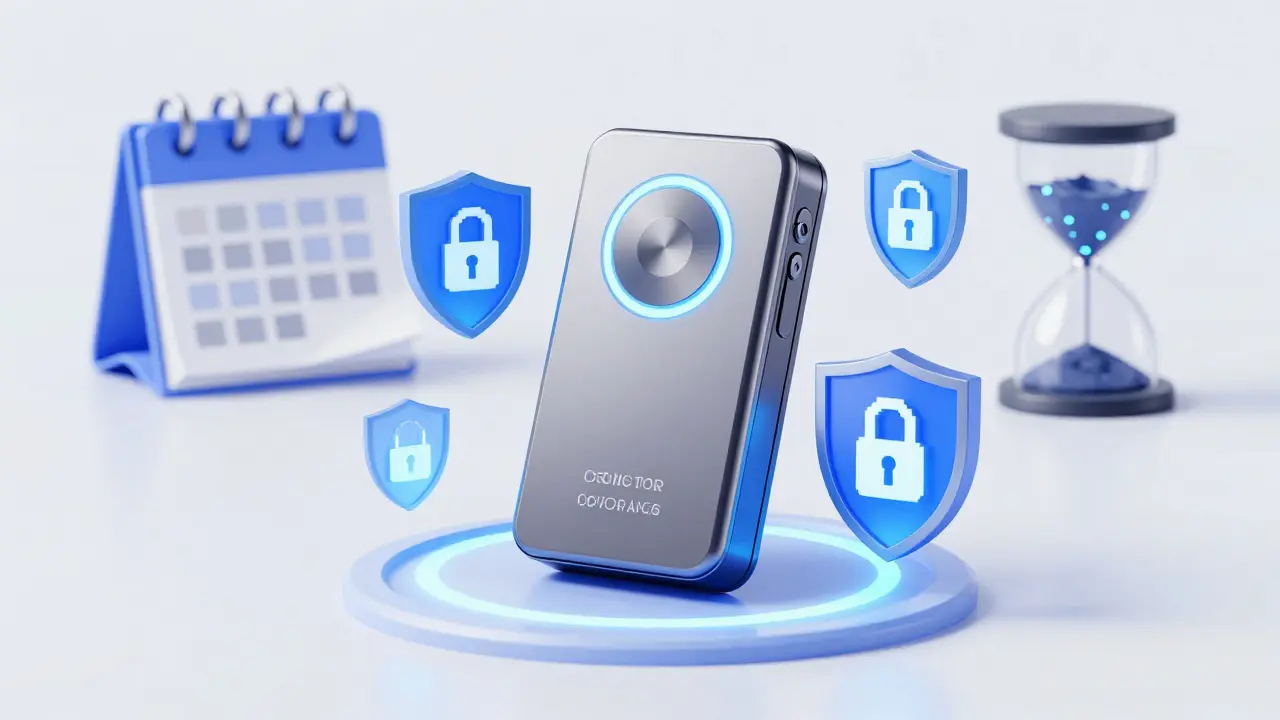
- Choose Secure Storage: Never leave large amounts on exchanges. Use a hardware wallet like Ledger or Trezor. These devices keep your private keys offline, protecting you from exchange hacks. Remember: "Not your keys, not your coins."
- Implement Dollar-Cost Averaging (DCA): Instead of trying to time the perfect entry point, invest a fixed amount regularly. For example, buy £200 of Bitcoin every month. This smooths out your average purchase price over time. If the price drops, you buy more units. If it rises, your portfolio grows. DCA removes the stress of guessing the market top or bottom.
- Diversify Within Crypto: Don’t put everything into one obscure token. Stick to established assets like Bitcoin (BTC) and Ethereum (ETH), which have proven track records. Consider adding stablecoins or crypto ETFs for balance.
- Create an Exit Plan: Yes, even HODLers need an exit strategy. Decide in advance when you’ll take profits. Maybe you sell 10% when Bitcoin hits $150,000. Or maybe you rebalance once a year. Having a plan stops greed from ruining your gains.
Common Mistakes That Break the HODL Strategy
Even with the best intentions, many investors fail at HODLing. Here’s what goes wrong:
- Panic Selling: Seeing a 30% drop triggers fear. Investors sell low to "cut losses," only to watch the price recover weeks later. This is the #1 reason HODL fails.
- FOMO Buying: When prices surge, people rush in at the peak. They buy high, then hold through the inevitable correction. This isn’t HODLing; it’s gambling.
- No Security Plan: Losing access to your wallet due to forgotten passwords or phishing scams destroys your portfolio instantly. Back up your seed phrase securely.
- Ignoring Taxes: In many jurisdictions, including the UK, crypto gains are taxable. Keeping detailed records of your purchases and sales is essential. Ignoring this can lead to fines later.
- Chasing Meme Coins: HODLing works best for assets with strong fundamentals. Buying random meme coins hoping for a 100x return is speculation, not investing. Most of these go to zero.
Is HODL Still Relevant in 2026?
With Bitcoin reaching new highs in 2025 and institutional players like BlackRock entering the space, some argue that the "easy money" phase is over. However, history shows that crypto markets remain cyclical. Even with maturation, volatility persists. Institutional adoption doesn’t eliminate crashes; it just changes who holds the bags.
For beginners, HODLing remains one of the safest entry points. You don’t need to understand technical analysis or chart patterns. You just need patience and belief in the long-term shift toward decentralized finance. As Larry Fink of BlackRock noted, if institutions allocate more capital, prices could rise significantly-but that doesn’t mean the journey will be smooth.
The key takeaway? HODL isn’t a guarantee of profit. It’s a method to reduce emotional decision-making and align your investments with your actual life timeline. If you can handle seeing your portfolio drop by half without blinking, you might be ready to HODL.
Can I lose all my money by HODLing?
Yes. While major cryptocurrencies like Bitcoin have historically recovered from crashes, there is no guarantee. Smaller altcoins can go to zero. Always invest only what you can afford to lose.
How long should I HODL?
Most successful HODLers hold for at least one full market cycle, which is typically 4 years in Bitcoin’s case. Longer holds often yield better returns but require greater patience.
What is the difference between HODL and Buy-and-Hold?
Buy-and-Hold traditionally refers to stocks with predictable earnings. HODL applies to volatile, speculative crypto assets. The psychology is similar, but the risk profile is much higher in crypto.
Should I use a hardware wallet for HODLing?
Absolutely. Hardware wallets provide cold storage, keeping your private keys offline. This protects against exchange hacks and online theft, making them essential for long-term holders.
Does HODL work for all cryptocurrencies?
No. HODLing works best for established projects with strong communities and utility, like Bitcoin and Ethereum. Newer or less proven tokens carry higher risks of failure.