Tokenized Assets: What They Are, How They Work, and Where to Find Real Value
When you hear tokenized assets, digital representations of real-world property like real estate, art, or commodities, recorded on a blockchain. Also known as tokenized real-world assets, they let you own a slice of something valuable without buying the whole thing. It sounds simple, but most people don’t realize how few of these projects actually work in practice. A lot of hype surrounds tokenized real estate or luxury goods, but in 2025, the real action is in niche use cases—like fractional ownership of infrastructure, small business equity, or even carbon credits—that actually move money and solve real problems.
Behind every working tokenized asset is a blockchain, a distributed ledger that records ownership and transfers securely and transparently. Also known as distributed ledger technology, it’s the backbone that makes tokenization possible. But not all blockchains are built the same. Some, like Ethereum, support complex smart contracts that automate ownership rules. Others, like Solana or BSC, focus on speed and low cost—critical when you’re trading tiny shares of a $10 million building. Then there’s the digital asset, a token that represents value on a blockchain, whether it’s a coin, NFT, or fractional share. Also known as crypto asset, it’s the actual unit you buy, hold, or trade. The problem? Most digital assets labeled as "tokenized" are just speculative tokens with no real-world backing. You’ll find plenty of projects in the posts below that promised tokenized real estate but vanished. Others, like stablecoin-backed platforms, actually deliver liquidity and use.
Tokenized assets aren’t about buying the next big coin. They’re about access. Can you own 0.01% of a warehouse in Ohio? A vineyard in Italy? A wind turbine in Texas? If the blockchain record is real, the legal framework is clear, and the token is tradeable on a platform people actually use—then yes. But most of what’s sold as "tokenized" is just marketing. The posts below show you what’s real: platforms that actually connect ownership to blockchain, projects that failed because they had no users, and the few that survived by focusing on utility, not hype. You’ll see how tokenization works in practice—sometimes brilliantly, often poorly—and learn where to look for the ones that still matter in 2025.
Future of Security Token Markets: How Blockchain Is Rewriting Finance
By Robert Stukes On 8 Dec, 2025 Comments (18)
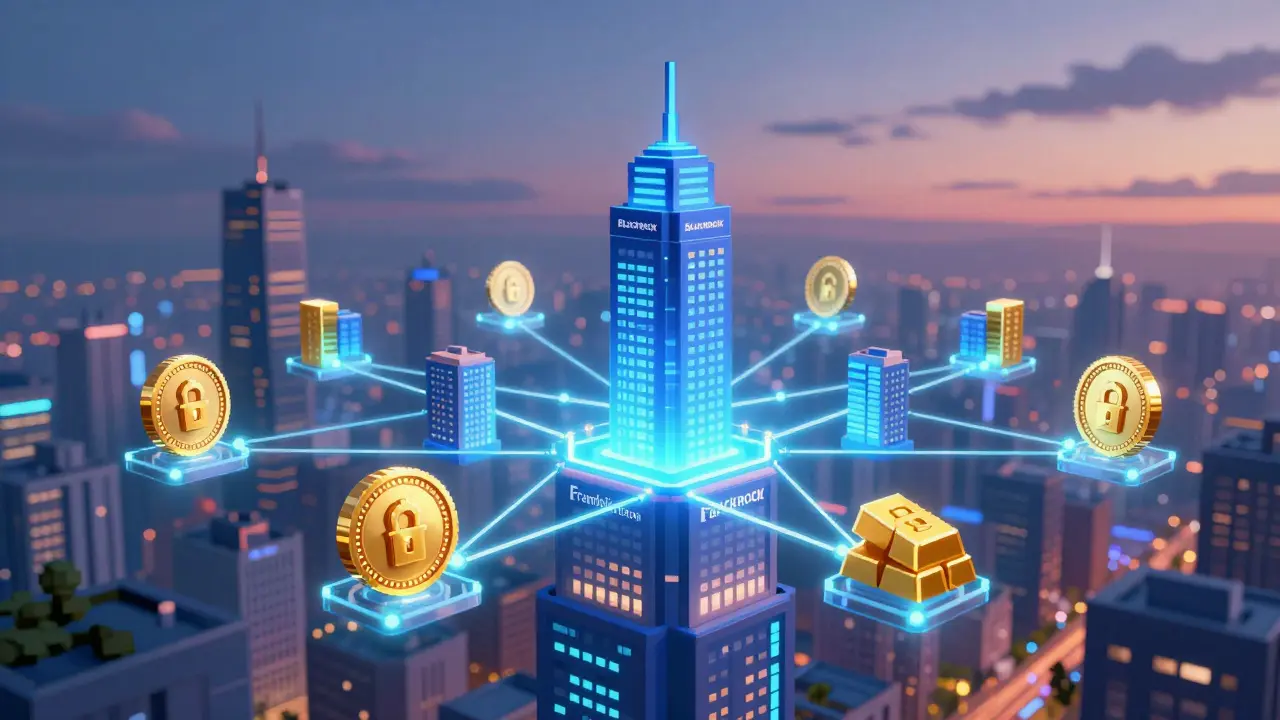
Security token markets are transforming finance by turning real assets like real estate and bonds into digital tokens. With institutional adoption rising and regulation clarifying, this $30 trillion market by 2030 is reshaping how we own and trade value.
View More