Public Blockchain
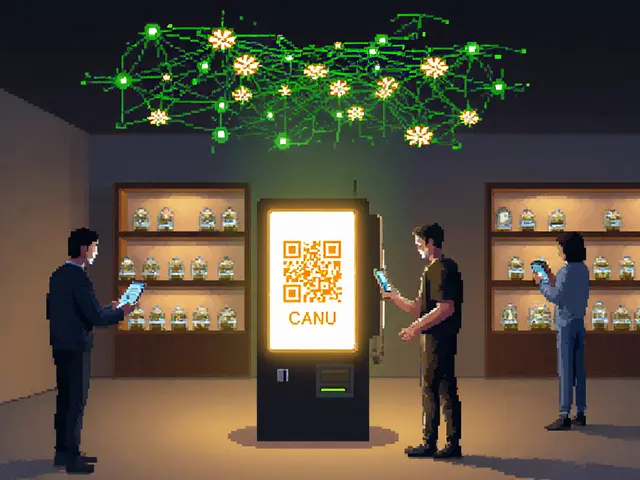
When working with Public Blockchain, an open, permissionless ledger where anyone can read, write, and verify transactions. Also known as open blockchain, it powers decentralized apps, crypto assets, and transparent finance. The core idea is simple: no central authority controls the data, so trust comes from code and consensus. That trust is measured by the public blockchain’s ability to stay secure while staying accessible. From Bitcoin’s proof‑of‑work roots to newer proof‑of‑stake chains, the network’s health hinges on the math that keeps bad actors out. In practice, this means anyone can join, validate blocks, and see the full transaction history, which fuels everything from simple payments to complex smart contracts. Because the ledger is public, regulators, developers, and everyday users can audit activity in real time, reducing fraud and increasing confidence.
Core elements you need to know
One of the biggest challenges for any public blockchain is Blockchain Scalability, the ability to process more transactions per second without hurting speed or cost. Solutions range from layer‑2 state channels that settle many micro‑payments off‑chain, to full‑stack rollup systems that bundle hundreds of actions into a single on‑chain proof. Rollup Technology, a layer‑2 approach that batches transactions and posts a succinct proof to the main chain. There are two main flavors: zk‑rollups, which use zero‑knowledge proofs, and optimistic rollups, which assume honesty and only check when challenged. Both dramatically cut fees and boost throughput, making public blockchains viable for DeFi, NFTs, and gaming. While scalability tricks improve user experience, the network’s security still leans on the Hash Rate, the total computational power securing proof‑of‑work chains. A higher hash rate means a more expensive 51 % attack, so miners and investors watch it closely as a health indicator. Even proof‑of‑stake chains have analogous metrics, like total staked value, that serve the same purpose: proving the network can’t be easily overtaken.
Beyond raw performance, public blockchains grow value through Token Utility, the set of functions a token provides within its ecosystem, such as governance, staking rewards, or access rights. Utility drives demand, which in turn fuels ecosystem development—from DAO governance models that let holders vote on upgrades, to token‑backed NFTs that certify authenticity. Understanding fork dynamics—hard forks that create new chains versus soft forks that add features without breaking compatibility—helps investors anticipate how protocol changes might affect token utility. All these pieces—scalability solutions, security metrics, and utility design—interlock to shape the future of public blockchains. Below you’ll find deep dives, reviews, and how‑to guides that unpack each of these topics, so you can see how they play out in real‑world projects and decide where to focus your next move.
Public vs Private Blockchain: Complete Comparison Guide
By Robert Stukes On 21 Dec, 2024 Comments (18)
Explore the differences between public and private blockchains, covering security, scalability, governance, energy use, and real‑world use cases to help you choose the right ledger.
View More