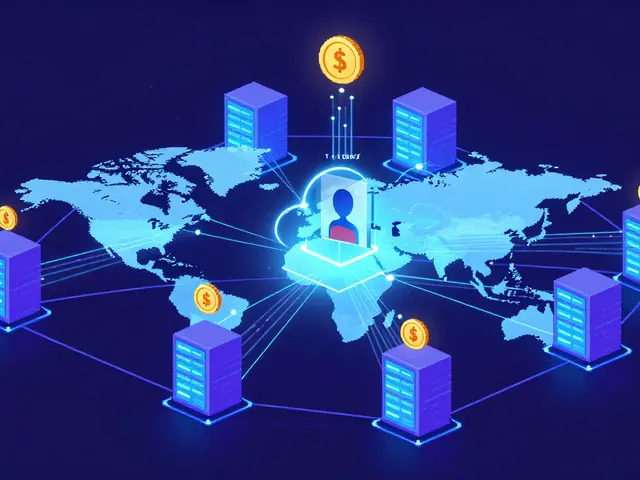
Peer-to-Peer Network
When working with peer-to-peer network, a system where each participant directly shares resources without a central server. Also known as P2P network, it powers blockchain, a distributed ledger that records transactions across many nodes and fuels decentralized exchange, an on‑chain platform that matches buyers and sellers without custodial control. In short, a peer-to-peer network enables decentralized exchange, while blockchain requires countless peer-to-peer nodes to stay secure.
Why it matters for scalability and trading
One way developers boost the speed of a peer-to-peer network is through state channels, off‑chain pathways that settle many tiny transactions before recording a summary on the main chain. State channels improve scalability, cut fees, and keep privacy intact—perfect for high‑frequency crypto trading. When you combine a robust peer-to-peer network with state channels, you get faster, cheaper, and more private trades on decentralized exchanges.
Beyond trading, peer-to-peer networks shape file sharing, gaming, and even token distribution. Their open‑ended design means anyone can run a node, contribute bandwidth, and help the whole system stay resilient. Whether you’re a developer building a new DEX, an investor scouting the next scalable solution, or just curious about how your crypto moves, understanding the peer-to-peer foundation gives you a clearer view of the whole ecosystem.
Below you’ll find a curated set of articles that dive deeper into exchanges, token launches, scaling tech, and real‑world use cases—all tied back to the peer-to-peer network concept. Explore the list to see how these ideas play out in practice.
How IPFS Works for Decentralized File Storage
By Robert Stukes On 5 Jul, 2025 Comments (25)

Learn how IPFS stores and retrieves files using content-addressed CIDs, DHT routing, and peer-to-peer networking. Get step‑by‑step guidance, benefits over traditional storage, and real‑world use cases.
View More