NFT Land: The Rise of Digital Real Estate
When you hear NFT Land, a tokenized piece of virtual property that lives on a blockchain. Also known as virtual land NFT, it lets owners buy, sell, and develop digital plots just like physical real estate. This concept lives inside the Metaverse, a shared 3D digital universe where users interact, play, and trade assets, and it relies on the Blockchain, a decentralized ledger that guarantees ownership and scarcity. By turning land into an NFT, a non‑fungible token that can’t be exchanged one‑for‑one, creators can monetize virtual spaces, gamers can build economies, and investors can treat digital plots as a new asset class.
Why NFT Land Matters
NFT Land isn’t just a trendy buzzword; it’s a concrete example of how Virtual Real Estate, digital land parcels that can be bought, sold, or leased is reshaping online interaction. In the same way that street‑level property drives retail foot traffic, prime virtual locations attract advertising dollars, event sponsors, and community hubs. Developers use these plots to host concerts, launch exclusive NFT drops, or build immersive brand experiences that blur the line between gaming and shopping. Meanwhile, token holders benefit from the same scarcity economics that power traditional real estate—limited supply, location value, and the ability to generate passive income through leasing or staking. Another key piece of the puzzle is Tokenomics, the economic model that defines how tokens are created, distributed, and valued. Good tokenomics align incentives: creators earn royalties every time a plot is resold, users gain governance rights to shape the virtual neighborhood, and investors see price appreciation as demand for digital locations rises. Projects that combine strong tokenomics with robust on‑chain metadata make it easy for wallets and marketplaces to verify authenticity, track ownership history, and calculate market caps. Security also plays a huge role. Since ownership is recorded on the Blockchain, buyers can conduct trustless transfers without needing a central authority. This reduces fraud risk compared to earlier virtual land schemes that relied on centralized servers vulnerable to hacks or sudden shutdowns. However, buyers still need to stay aware of platform-specific risks—some metaverse projects have limited liquidity or rely on a single developer team. Understanding the underlying smart‑contract code, checking audit reports, and watching community sentiment can help mitigate those concerns. The momentum behind NFT land is evident in the rapid growth of platforms like Decentraland, The Sandbox, and newer entrants that focus on interoperability across blockchains. Interoperability means a piece of land bought on one platform could potentially be used in another, expanding utility and future resale value. As more users flock to the metaverse for work, socializing, and entertainment, the demand for well‑located virtual plots is expected to keep climbing, much like the early days of the internet when domain names became premium assets.
Below you’ll find a curated collection of articles that dive deeper into every angle of NFT land—from security reviews of specific platforms and token utility breakdowns to the latest airdrop opportunities and future storage trends. Whether you’re looking to buy your first virtual plot, explore how NFTs secure product authenticity, or understand the role of blockchain scalability in supporting massive metaverse worlds, the posts ahead give you practical insights you can act on right now.
Metaverse Real Estate Investment: How to Buy, Develop & Profit in 2025
By Robert Stukes On 3 Oct, 2025 Comments (21)
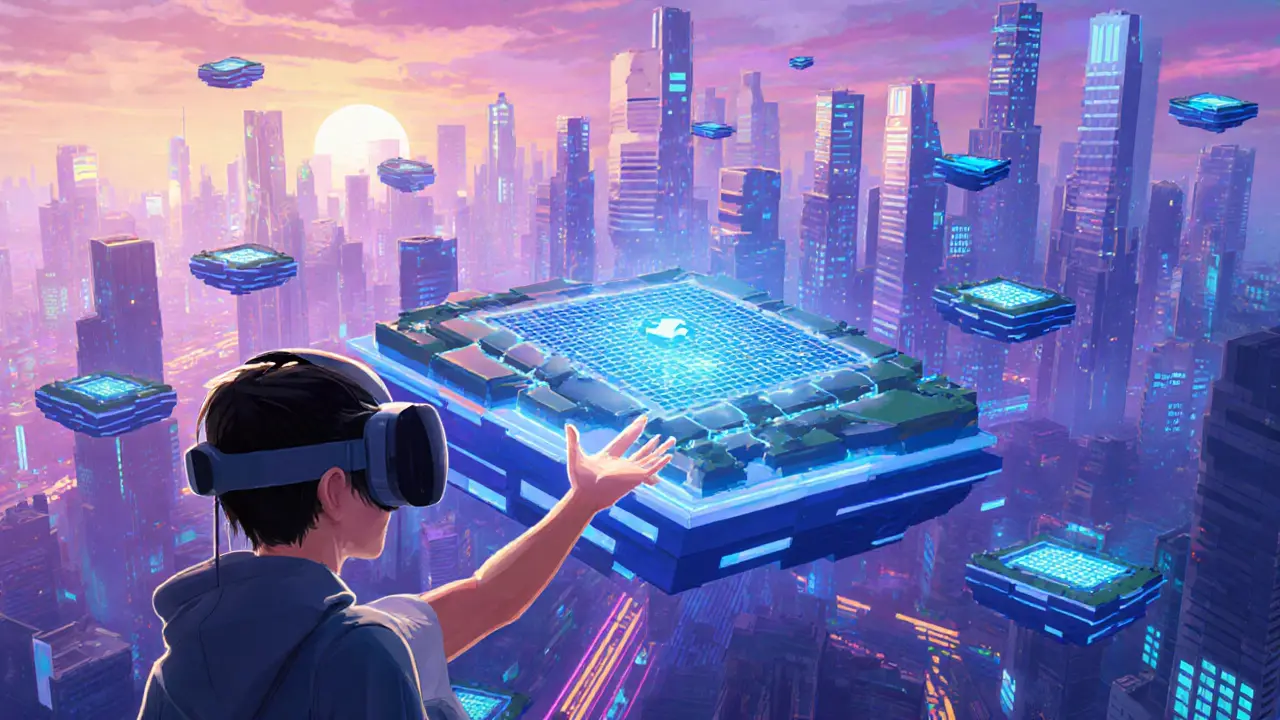
Learn how to buy, develop, and profit from metaverse real estate in 2025. This guide covers platforms, valuation, monetisation, risks, and future outlook for virtual land investors.
View More