Metaverse Real Estate: The New Frontier of Digital Property
When talking about metaverse real estate, digital property that lives inside virtual worlds and can be bought, sold, or leased like physical land. Also known as virtual property, it blends gaming, social interaction, and real‑world economics. This space isn’t just a novelty; investors, developers, and gamers treat it as a serious asset class.
One core component is virtual land, parcels of space within a metaverse platform that have coordinates, scarcity, and location value. Metaverse real estate encompasses virtual land, meaning every plot you buy becomes a piece of the larger digital landscape. Virtual land requires a clear title, which today comes from NFTs, so the ownership record is immutable and verifiable on a blockchain.
Why Virtual Land, NFTs, and Blockchain Matter
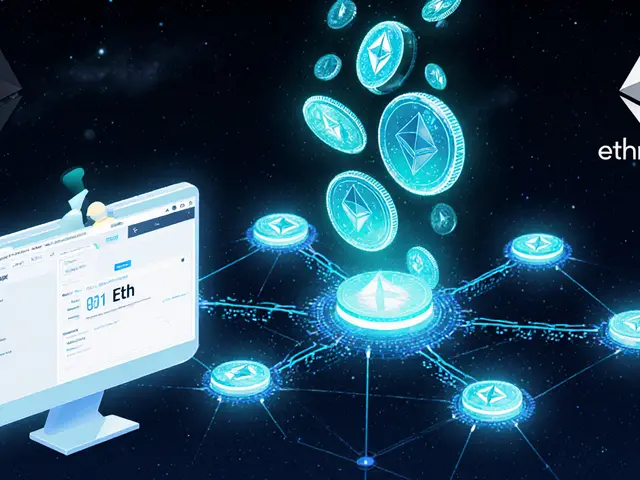
NFTs, non‑fungible tokens that certify unique ownership of digital assets are the passports for metaverse real estate. An NFT links a land parcel to a wallet address, enabling secure transfers without a middleman. Because NFTs live on a blockchain, a distributed ledger that records every transaction in a tamper‑proof way, buyers get confidence that their property can’t be altered or duplicated. This relationship—NFTs influence metaverse real estate—creates a reliable market foundation.
To turn these digital deeds into cash, investors often use crypto exchanges, platforms where you can swap cryptocurrencies or tokenized assets for fiat or other tokens. An exchange converts the crypto you earned from renting virtual land or from selling a developed experience into spendable money. The flow goes: you buy virtual land (NFT) → develop or lease it → earn crypto → cash out on an exchange. This chain shows how metaverse real estate requires crypto exchange services to complete the investment loop.
Beyond the tech, the market dynamics are shaping up fast. Location still matters—central hubs in popular worlds like Decentraland or The Sandbox command premium prices. Scarcity drives price spikes; once a district is fully owned, new buyers must look elsewhere or pay a premium for existing parcels. Community governance also plays a role: many platforms let token holders vote on land zoning, which can affect future development potential. Understanding these factors helps you decide whether to flip a plot quickly or hold for long‑term appreciation.
Risk management is another piece of the puzzle. Prices can be volatile, especially when a platform rolls out new features or when macro‑crypto sentiment shifts. Diversifying across several metaverse projects, keeping an eye on platform roadmaps, and using reputable exchanges for liquidity are proven ways to protect your capital. In short, successful participation blends tech knowledge—NFTs, blockchain, exchanges—with traditional real‑estate instincts about location, scarcity, and community.
Below you’ll find a curated collection of articles that dive deeper into each of these topics. Whether you’re curious about how to evaluate a virtual land deal, want to learn the best crypto exchanges for tokenized assets, or need a rundown of the latest NFT standards, the posts ahead have you covered. Let’s explore the landscape together.
Metaverse Real Estate Investment: How to Buy, Develop & Profit in 2025
By Robert Stukes On 3 Oct, 2025 Comments (21)

Learn how to buy, develop, and profit from metaverse real estate in 2025. This guide covers platforms, valuation, monetisation, risks, and future outlook for virtual land investors.
View More