ERC-20 Tokens: What They Are and Why They Matter
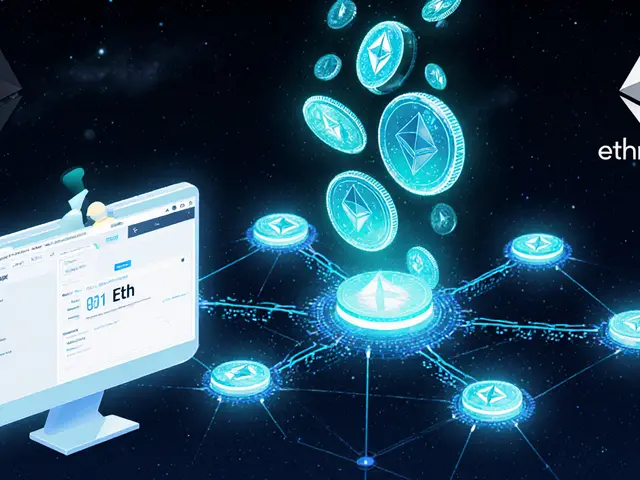
When working with ERC-20, a standard for fungible tokens on the Ethereum blockchain. Also known as Ethereum Token Standard, it defines how tokens should behave and interact with wallets, exchanges, and smart contracts. Ethereum, the decentralized platform that hosts these tokens provides the execution environment, while smart contracts, self‑executing code that enforces token rules implement the ERC‑20 interface. Token standards, formal specifications like ERC‑20 that ensure compatibility across the ecosystem make it easy for developers to launch new assets, for wallets to display balances, and for exchanges to list tokens without custom integration.
ERC‑20 encompasses several core functions— ERC‑20 requires smart contract implementation, which influences gas costs. A simple transfer typically burns a few dozen thousand gas units, translating to a few cents at current rates. This predictable cost structure lets users estimate transaction fees ahead of time, a crucial factor for high‑frequency traders and newcomers alike. Moreover, the standard’s compatibility with hardware wallets, mobile apps, and web interfaces means you can manage ERC‑20 assets from virtually any device. When Ethereum upgrades its fee model—like the shift to EIP‑1559—ERC‑20 tokens automatically benefit from the lower base fee and more transparent fee market, keeping the user experience smooth.
Beyond finance, ERC‑20 tokens serve as utility badges in gaming, governance votes in DAOs, and reward points in loyalty programs. Projects can embed custom logic in the token contract—such as burning a percentage on each transfer or minting new tokens when certain milestones are hit—while still adhering to the same interface. This flexibility explains why the token standard remains the backbone of both legacy projects and cutting‑edge experiments like cross‑chain bridges or layer‑2 rollups. If you’re scanning the article list below, you’ll see deep dives on liquidity mining models, airdrop mechanics, and exchange reviews—all of which hinge on ERC‑20’s reliability and broad adoption. Let’s explore how these pieces fit together and what you can take away for your own crypto journey.Key Aspects of ERC-20 and Their Impact
transfer, approve, and allowance—that let users move tokens, set spending limits, and let third‑party contracts handle funds. This uniformity enables rapid token creation, which is why most Initial Coin Offerings (ICOs) and DeFi projects still choose ERC‑20 for their native coins. The standard also requires events like Transfer and Approval, giving blockchain explorers a reliable way to track token flows. Because the rules are baked into the Ethereum Virtual Machine, developers can focus on tokenomics instead of reinventing basic transfer logic. As a result, liquidity mining programs, staking pools, and automated market makers (AMMs) can plug ERC‑20 tokens directly into their protocols, driving massive capital efficiency across the DeFi landscape.
AiX Crypto Coin Explained: What It Is, How It Works, and Why It Failed
By Robert Stukes On 15 Oct, 2025 Comments (16)
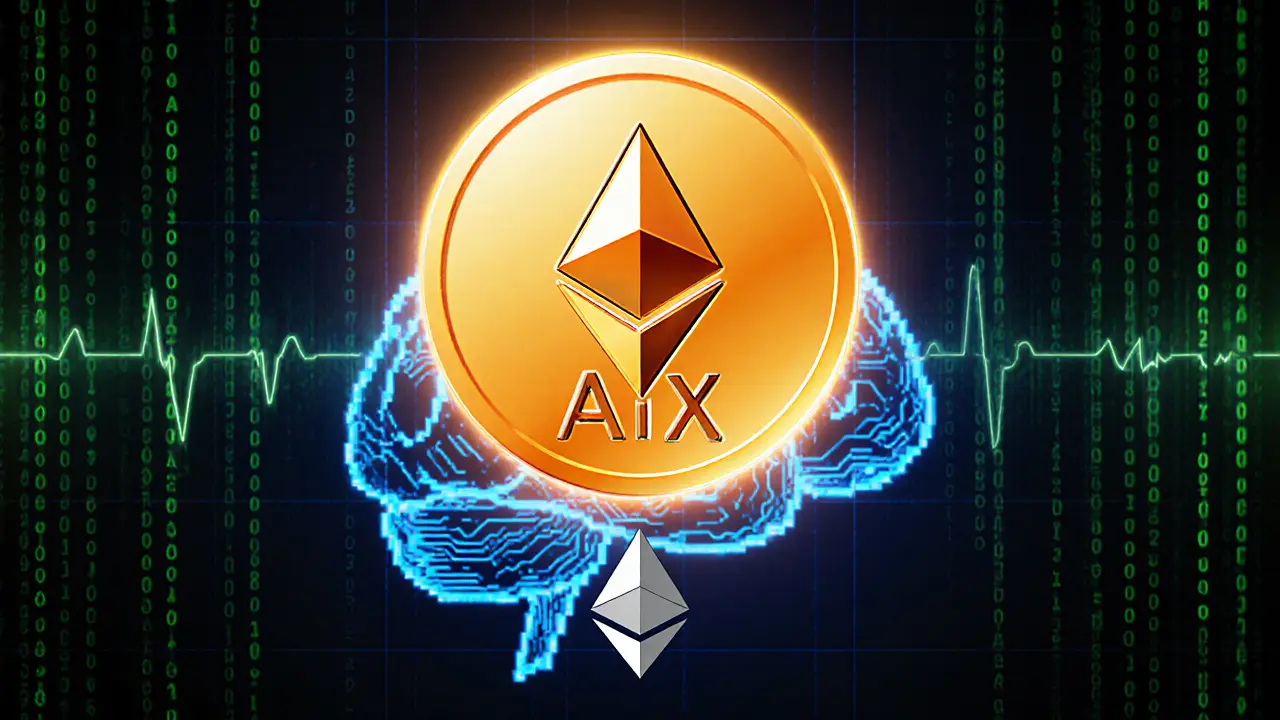
Learn what AiX crypto coin is, how it promised AI‑powered brokerage, why it never launched, and key lessons for evaluating AI‑focused tokens.
View More