Crypto Exchange Regulation
When navigating crypto exchange regulation, the framework of rules that digital asset platforms must follow to operate legally, obtain licenses, and protect traders. Also known as digital asset compliance, it shapes everything from fee structures to security standards, you quickly realize it’s not just paperwork – it’s the backbone of a trustworthy market. crypto exchange regulation touches on who can launch a platform, how they verify users, and what safeguards must be in place against fraud and money‑laundering.
Key Pillars of Crypto Exchange Regulation
The first pillar is regulatory licenses, official authorizations issued by governments or financial authorities that allow an exchange to operate in a jurisdiction. Without a license, an exchange can’t offer services to local users and may face sudden shutdowns. The second pillar is AML compliance, a set of procedures that require exchanges to monitor transactions, report suspicious activity, and verify user identities. AML rules are the direct line between a platform and anti‑terrorism, anti‑fraud efforts.
International bodies add another layer. The FATF, Financial Action Task Force, issues global standards that dictate how crypto businesses should handle money‑laundering risks. When the FATF updates its guidance, every jurisdiction scrambles to align its local laws, which in turn forces exchanges to tweak their compliance programs. This creates a ripple effect: a change in FATF policy influences regulatory licenses, which then reshapes AML compliance requirements across the board.
Finally, the actual crypto exchanges, online platforms where users buy, sell, or trade digital assets are the end‑users of these rules. Their business models, fee structures, and security features are all dictated by the three pillars above. A well‑regulated exchange can offer lower fees, faster withdrawals, and stronger insurance, while a loosely regulated one often hides hidden costs and higher risk.
Our collection below reflects how these pillars play out in the real world. You’ll find deep dives into platforms that nailed their licensing, case studies on exchanges caught off‑guard by FATF updates, and step‑by‑step guides on building AML programs that pass audits. Whether you’re scouting a new exchange, reviewing compliance for an existing platform, or just curious about the shifting legal landscape, the articles that follow give you practical, up‑to‑date insights.
LCX Exchange Review 2025: Features, Fees, & Safety
By Robert Stukes On 2 Jan, 2025 Comments (13)
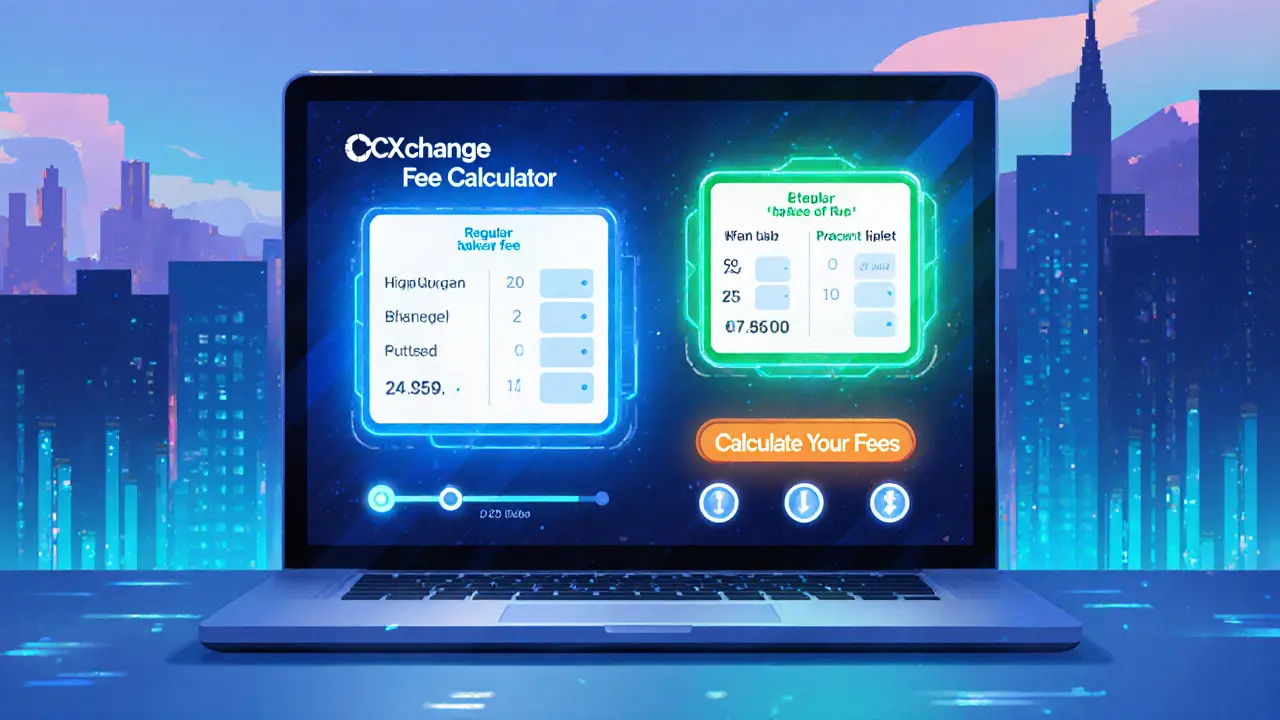
In-depth LCX Exchange review covering features, fees, security, tokenomics, and how it stacks up against rivals in 2025.
View More