CNAD Licensing: What It Means for Crypto Platforms
When working with CNAD licensing, the official authorization framework that lets crypto businesses operate legally in many jurisdictions. Also known as Crypto Network Authorization and Distribution license, it sets the rules for security, capital, and reporting.
A core piece of the puzzle is crypto exchange licensing, the set of permits a trading platform must secure to accept deposits and match orders. Without this, a platform cannot legally list tokens or offer derivatives. CNAD licensing often requires the same documentation, so regulators view the two as tightly linked. In practice, a platform that passes crypto exchange licensing checks is better positioned to satisfy CNAD’s capital‑adequacy and risk‑management criteria.
How AML Compliance and Regulatory Authorities Shape CNAD Licensing
Another non‑negotiable element is AML compliance, the set of anti‑money‑laundering policies that verify user identity and monitor suspicious flows. CNAD licensing mandates a robust AML program; failing to meet it can trigger revocation or heavy fines. The regulatory authority, the government body that issues licences and conducts supervision—whether it’s the FCA in the UK, the SEC in the US, or the UAE’s Financial Services Regulatory Authority—evaluates AML controls before granting CNAD approval. This creates a direct semantic link: CNAD licensing requires AML compliance, and the regulatory authority enforces it.
International standards also play a role. The FATF, the Financial Action Task Force that sets global AML/CTF guidelines influences how regulators design CNAD frameworks. When a jurisdiction aligns with FATF recommendations, its CNAD licensing process tends to be smoother, because the standards are already baked into local law. As a result, platforms operating in FATF‑compliant countries often enjoy faster licensing timelines and broader market access.
All these pieces—crypto exchange licensing, AML compliance, the overseeing regulatory authority, and FATF guidance—interact to form the ecosystem around CNAD licensing. Below you’ll find a curated set of articles that break down each component, from exchange reviews and country‑specific regulations to practical steps for meeting the licensing checklist.
ElSalvador’s Zero Capital Gains Tax on Bitcoin: What Investors Need to Know
By Robert Stukes On 6 Aug, 2025 Comments (20)
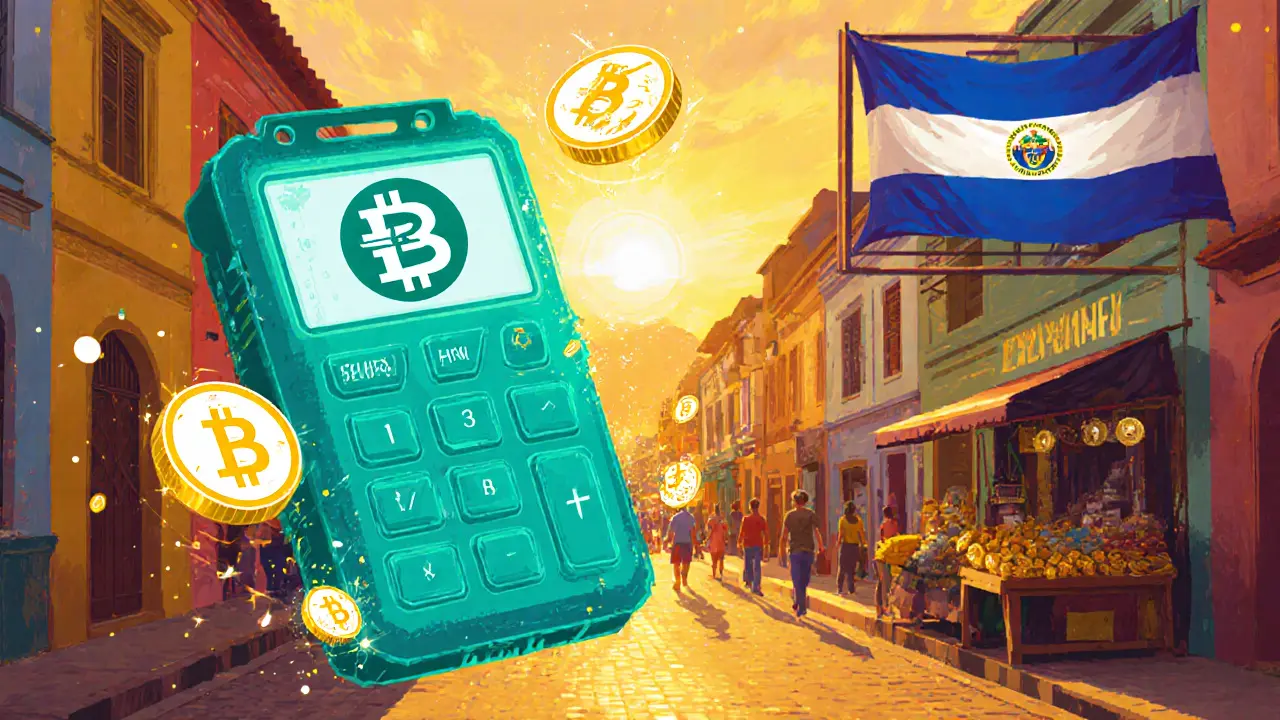
Explore how El Salvador's zero capital gains tax on Bitcoin works, who qualifies, regulatory steps, IMF changes, and how it compares with other crypto‑friendly tax havens.
View More