Blockchain Scalability: What It Is and Why It Matters
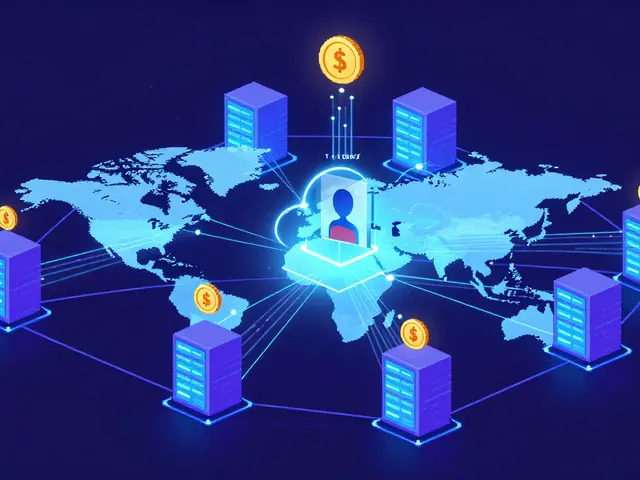
When talking about blockchain scalability, the ability of a distributed ledger to handle more transactions quickly and cheaply as demand grows. Also known as scaling solutions, it determines whether a network can support real‑world apps without bottlenecks.
In simple terms, blockchain scalability is the engine that lets a crypto network grow from a niche hobby to a mainstream service. If the engine stalls, users see high fees, slow confirmations, and lost confidence. That’s why every new protocol, from Bitcoin to emerging DeFi platforms, spends months tweaking the engine to keep it running smooth.
Layer‑2 Scaling: Adding Speed Without Changing the Core
One of the most popular ways to boost performance is layer-2 scaling, off‑chain or side‑chain solutions that process transactions outside the main chain and later settle them back. Think of it as a fast lane that lets cars (transactions) zip by while the main highway (base chain) stays clear for larger trucks (settlements).
Layer‑2 tech includes payment channels, state channels, and sidechains. They share three core attributes: lower fees, near‑instant finality, and compatibility with the base chain’s security model. Developers love them because they can launch a new product without waiting for a hard fork, and users appreciate the cheaper, quicker experience.
Our tag collection features articles that break down real‑world layer‑2 deployments, from rollup‑based DEXs to gaming platforms that need millisecond response times.
Rollup Technology: Packing More Into One Block
Another game‑changer is rollup technology, a layer‑2 method that batches many transactions into a single proof submitted to the base chain. The two main families are zk‑rollups, which generate cryptographic proofs, and optimistic rollups, which assume correctness and challenge fraudulent proofs.
Key attributes of rollups include: proof size (small for zk, larger for optimistic), latency (sub‑second for zk, a few minutes for optimistic), and security dependence (both inherit the base chain’s consensus). Values you’ll see in the wild: Ethereum’s Arbitrum (optimistic) and StarkNet (zk). These solutions cut fees by up to 100× while keeping the security guarantees of the underlying network.
Our posts dive into how rollups affect token economics, why developers pick one over the other, and what the future roadmap looks like as more chains adopt hybrid models.
Hash Rate and Security: The Unsung Partners of Scalability
Scalability isn’t just about speed; it’s also about security. The hash rate, the total computational power miners contribute to a proof‑of‑work blockchain, serves as a health metric. A higher hash rate means it’s harder for an attacker to control 51% of the network, which in turn lets developers experiment with faster block times without risking consensus.
When a chain reduces block intervals to improve throughput, the network may need a higher hash rate to stay secure. That’s why many scaling proposals pair protocol upgrades with incentives for miners or transition to proof‑of‑stake, which decouples speed from raw computational power.
In our collection you’ll find analyses that link hash‑rate trends to mining‑friendly jurisdictions, and explain how energy‑efficient consensus mechanisms open the door to new scaling pathways.
Beyond Rollups: Sharding, Sidechains, and Hybrid Models
Sharding splits the blockchain’s state into multiple fragments, each processing its own set of transactions. This approach offers linear scalability, but it introduces cross‑shard communication challenges. Sidechains, on the other hand, run their own consensus while pegging assets to the main chain, allowing developers to experiment with custom rules.
Hybrid models combine rollups with sharding—think of a rollup operating inside each shard—to achieve massive throughput while preserving security. The ecosystem buzzes with projects testing these ideas, and many of our posts track their progress, from testnet launches to mainnet rollouts.
Now that you’ve got a solid grasp of what drives blockchain scalability—layer‑2 solutions, rollups, hash‑rate security, and advanced techniques—take a look at the articles below. They cover everything from exchange reviews and token airdrops to mining‑friendly country rankings, giving you practical insights you can apply whether you’re a trader, developer, or just curious about the next big upgrade.
State Channels: Boosting Blockchain Scalability
By Robert Stukes On 18 Feb, 2025 Comments (22)

Learn how state channels boost blockchain scalability with faster, cheaper, private transactions. Explore how they work, real‑world use cases, pros, cons, and implementation tips.
View More