Bitcoin Iran: How the Iranian Market Deals with Bitcoin
When talking about Bitcoin Iran, the use and trading of Bitcoin inside Iran’s borders, shaped by local laws and international pressures. Also known as Bitcoin in Iran, it reflects a unique mix of high demand, limited banking support, and a constantly shifting regulatory scene.
One of the biggest hurdles for Iranian Bitcoin users is the network of sanctions, economic restrictions imposed by the U.S., EU, and other bodies that limit cross‑border financial flows. These sanctions directly affect which crypto exchanges online platforms that allow buying, selling, or swapping Bitcoin can legally serve Iranian residents. In practice, sanctions influence exchange access, forcing many traders to rely on peer‑to‑peer networks or offshore platforms that skirt the rules. Meanwhile, Iran’s own regulation, government policies that range from licensing requirements to tax guidelines for digital assets tries to bring order to the market, but often clashes with the external pressure from sanctions.
Because of that clash, the phrase "Bitcoin Iran" now encompasses three core ideas: the legal framework governing digital currency, the practical ways users navigate exchange bans, and the mining landscape that the government actually encourages. The government has rolled out special power tariffs for miners, making Bitcoin mining the process of validating transactions and creating new coins using local energy resources a lucrative side‑business for many Iranians. This mining push is a direct response to sanctions — it lets the country generate crypto revenue without relying on foreign banks.
What You’ll Find in This Collection
The articles below break down each piece of the puzzle. Some dive into specific exchanges that are safe—or risky—for Iranian users, highlighting security features, fee structures, and compliance status. Others explain how sanctions shape daily trading decisions and what workarounds are legally viable. A few pieces cover the tax implications of holding Bitcoin in Iran, including the recent government proposals on capital gains and how they differ from policies in places like El Salvador or the UAE.
If you’re a trader, you’ll get actionable tips on protecting your assets against sudden exchange freezes, using hardware wallets, and staying compliant with Iran’s licensing rules. If you’re a miner, there’s a deep dive into the latest energy subsidies, the hash‑rate growth trends, and how the hash‑rate serves as a security indicator for the Bitcoin network. Investors looking at the broader picture can see how Iran’s stance on crypto fits into global trends, from FATF grey‑list removals to regional cooperation on digital asset regulation.
Beyond the regulatory and technical angles, the collection also explores community‑driven initiatives, like local airdrops and token launches that target Iranian users. These projects often use NFTs for identity verification, helping participants prove they’re not breaching sanctions while still accessing new opportunities. The interplay between these community tokens and the larger Bitcoin ecosystem shows how innovation continues even under restrictive conditions.
All of this ties back to the central idea that navigating Bitcoin in Iran requires a blend of legal awareness, technical know‑how, and strategic use of available tools. By the end of the list, you should feel more confident about which exchanges to trust, how to keep your mining operation profitable, and what regulatory updates to watch for.
Ready to dive in? Below you’ll find a curated set of guides, reviews, and analyses that bring clarity to the complex world of Bitcoin Iran, helping you stay ahead of the curve and protect your digital assets.
Why $4.18Billion Fled Iran in Crypto During 2024
By Robert Stukes On 4 Feb, 2025 Comments (24)
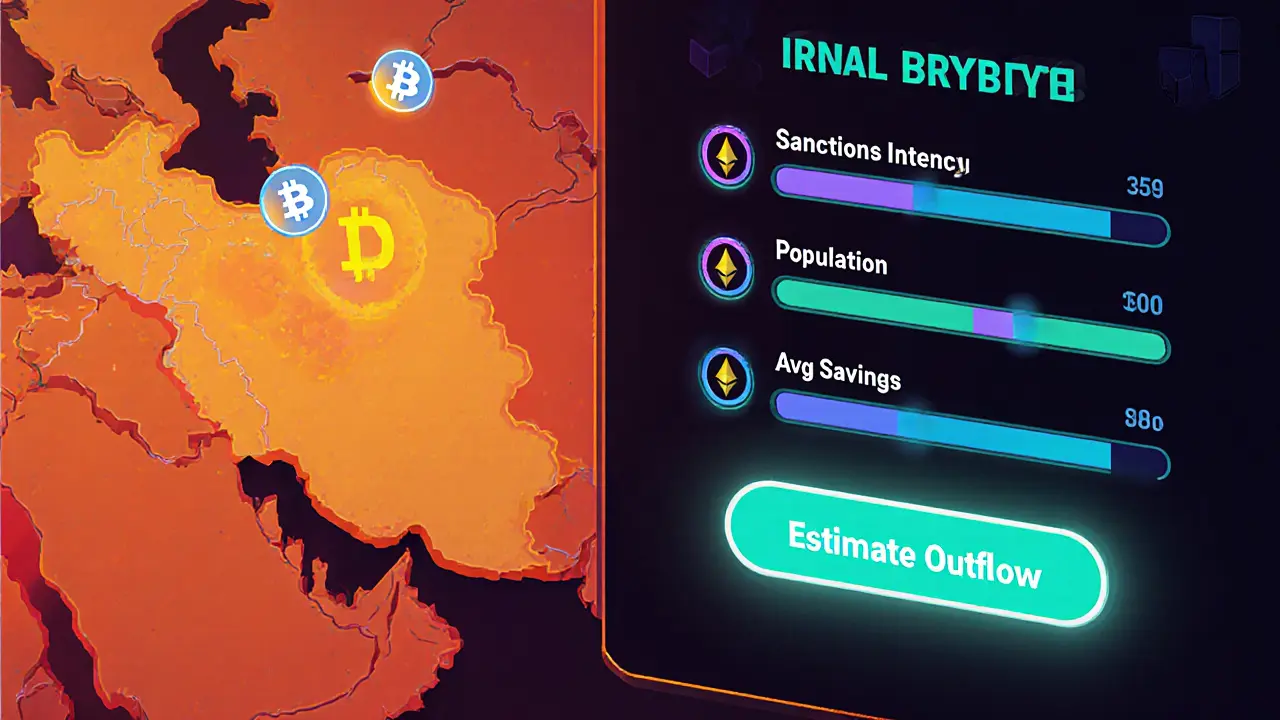
An in‑depth look at the $4.18billion crypto outflow from Iran in 2024, why it happened, key assets, methods used, and what it means for sanctions and the global crypto market.
View More