Automated Yield: Boosting Crypto Returns Without Constant Monitoring
When working with automated yield, the practice of using smart contracts to generate passive income on crypto assets without manual intervention. Also known as auto‑yield, it relies on yield farming, locking or providing liquidity to earn reward tokens and crypto staking, binding tokens to support network security in exchange for periodic payouts. Both activities sit inside the wider DeFi, decentralized finance platforms that operate on blockchain ecosystem and are orchestrated by smart contracts, self‑executing code that enforces rules without a middleman.
In simple terms, automated yield means you set a strategy once and let the protocol do the heavy lifting. The system constantly rebalances your position, compounds rewards, and moves funds to the highest‑returning pools, all while you sleep. This automation reduces the time you spend tracking APR changes, gas fees, and impermanent loss, letting you focus on bigger portfolio decisions.
Key Components That Power Automated Yield
First, yield farming protocols like Yearn, AutoFarm, and Harvest Finance provide vaults that auto‑compound earnings. These vaults are built on smart contracts that harvest reward tokens, swap them for the underlying asset, and reinvest the total amount. Second, staking platforms such as Lido and Rocket Pool let you delegate tokens to validators and receive staking rewards that are automatically reinvested. Third, liquidity mining pools on AMMs (Uniswap, PancakeSwap, Curve) reward you with governance tokens; auto‑compounding services turn those tokens back into liquidity, boosting your effective APY.
Every component shares a common attribute: they all need on‑chain automation. That’s why reliable smart contracts are the backbone of the whole system. If a contract has a bug or an upgrade lag, your returns can stall or even reverse. Audits, community reputation, and open‑source code become critical signals when you choose a vault or staking service.
Risk management is another piece of the puzzle. Automated strategies can amplify rewards, but they can also magnify exposure to smart‑contract failure, token price volatility, and sudden fee spikes. Diversifying across multiple vaults, setting stop‑loss thresholds, or using protocols with built‑in insurance (like Nexus Mutual) helps keep the downside in check while you chase the upside.
Finally, the evolving regulatory landscape matters. Some jurisdictions treat yield‑generating contracts as securities, which could affect access or tax treatment. Knowing the legal status of the platforms you use—whether they are licensed, KYC‑free, or operating under a gray‑area—helps you avoid unexpected roadblocks.
All these elements—yield farming, staking, DeFi platforms, and robust smart contracts—interact to create a seamless automated‑yield experience. Below you’ll find a curated collection of articles that walk through specific exchanges, token launches, and strategic tips, giving you the practical knowledge you need to set up and optimize your own auto‑earning pipelines.
Cadabra Finance (ABRA) Explained: How the DeFi Yield Aggregator Works
By Robert Stukes On 5 Jun, 2025 Comments (22)
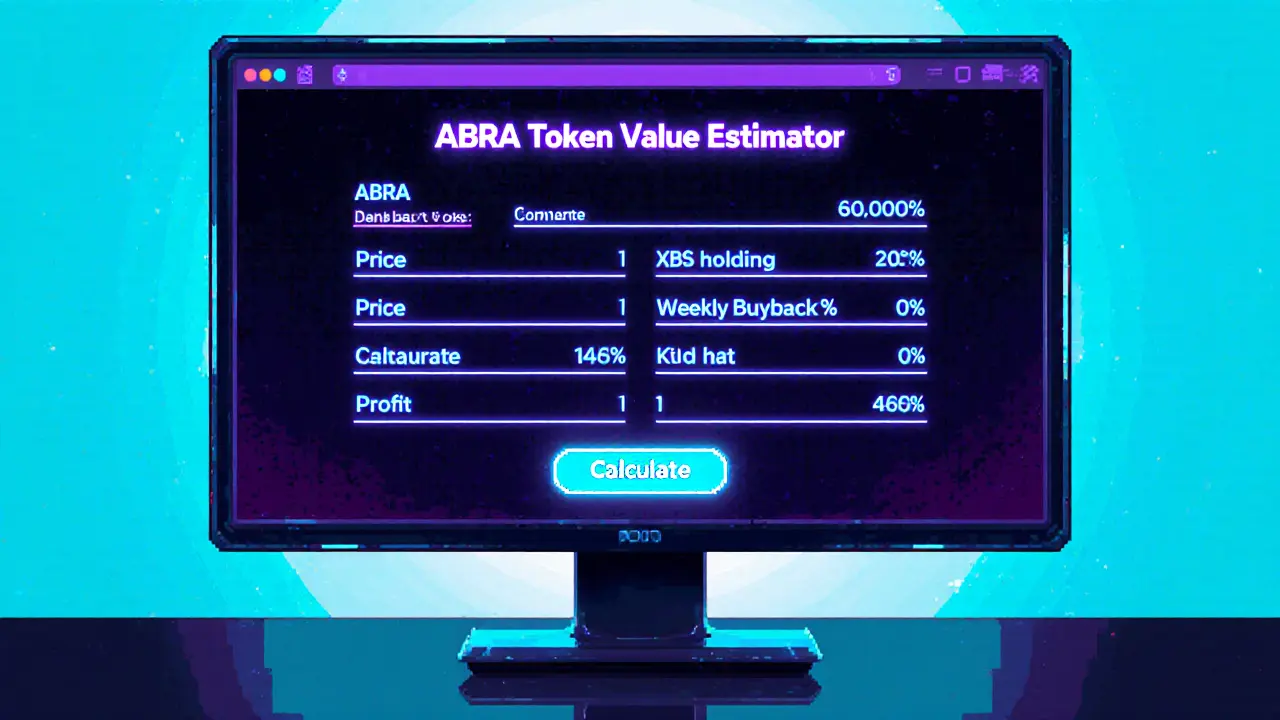
Discover how Cadabra Finance's ABRA token powers an automated DeFi yield aggregator, its deflationary model, multi‑chain support, fees, risks, and how to get started.
View More