
Buying cryptocurrency with Russian Rubles (RUB) feels like navigating a maze where the walls keep moving. Since 2022, the landscape has shifted dramatically due to geopolitical events and banking restrictions. Yet, despite these hurdles, the market is thriving. In fact, according to the Central Bank of Russia's 2024 Financial Stability Report, crypto transactions in Russia grew by 37.2% year-over-year. Today, roughly 18.7 million citizens-about 12.6% of the population-own digital assets. So, how do you actually move your fiat money into crypto without getting blocked or scammed? It’s not as simple as clicking "Buy" on a global exchange anymore. You need to understand the local tools, the bank codes, and the safety rules that now define the Russian crypto ecosystem.
Understanding the Current Landscape
The first thing to grasp is that direct card purchases from major international banks are often restricted. State-owned giants like Sberbank frequently block direct transfers to foreign exchanges. This has forced the market to adapt. The solution? Localized payment solutions and alternative banking channels. Platforms like Bybit, Bitget, and Bitbanker have stepped up, creating dedicated RUB liquidity pools. As of Q3 2025, these platforms process approximately $285 million in daily volume.
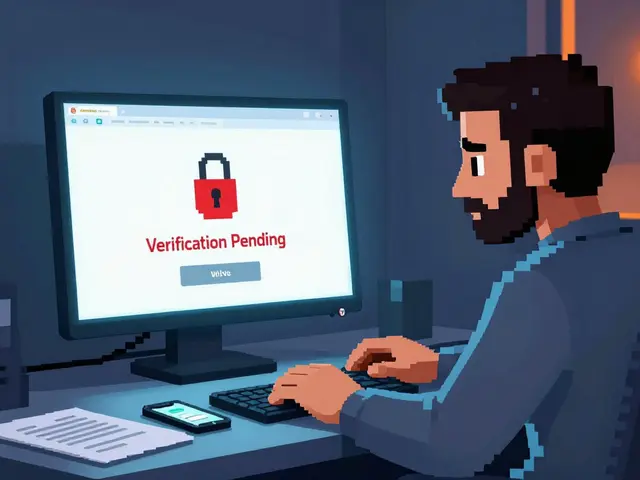
You also need to know about the regulatory backdrop. Federal Law No. 115-FZ, updated in January 2025, requires strict Know Your Customer (KYC) procedures for any fiat-to-crypto transaction. If you’re trading crypto-for-crypto, you might slip through without verification, but if rubles are involved, you’ll need to verify your identity. This means having your Russian passport and INN number ready. Don’t worry; this isn’t new bureaucracy-it’s standard procedure now. The goal is compliance, not obstruction, though it does add a step to your workflow.
Is buying crypto legal in Russia?
Yes. Owning cryptocurrency is legal in Russia. However, using it as an official means of payment for goods and services within the country is prohibited. You can buy, sell, and hold crypto, but you must declare it during tax season. The current regulations focus on anti-money laundering (AML) compliance rather than banning ownership.
Three Ways to Buy Crypto with Rubles
There are three primary methods to convert RUB into crypto. Each has its own speed, cost, and complexity profile. Choosing the right one depends on how much you’re buying and how quickly you need it.
- Instant Card Purchases: Services like ChangeNOW allow you to buy crypto directly with a bank card. No account creation is needed. Transactions settle in about 5 minutes. This is great for small amounts under 500,000 RUB. However, fees are higher (1.5% to 3.9%), and you’re limited to around 17 cryptocurrencies.
- Peer-to-Peer (P2P) Marketplaces: This is the most popular method for larger volumes. Platforms like Bybit connect you directly with other users. You pay them via bank transfer, and they release the crypto to your escrow wallet. Fees are lower (0.5% to 2.0%), and you get better exchange rates. It takes 10-30 minutes per trade.
- Traditional Exchanges with Banking Integration: Platforms like Bitbanker offer both instant buys and order book trading. They support deposits via bank cards, SWIFT, and even physical cash locations in Moscow, Dubai, and Bishkek. This is ideal if you prefer face-to-face transactions or need high-volume support, but it requires full KYC verification.
For most users, P2P trading strikes the best balance between cost and control. Let’s look at how to do it safely.
Mastering P2P Trading: The Color-Coded System
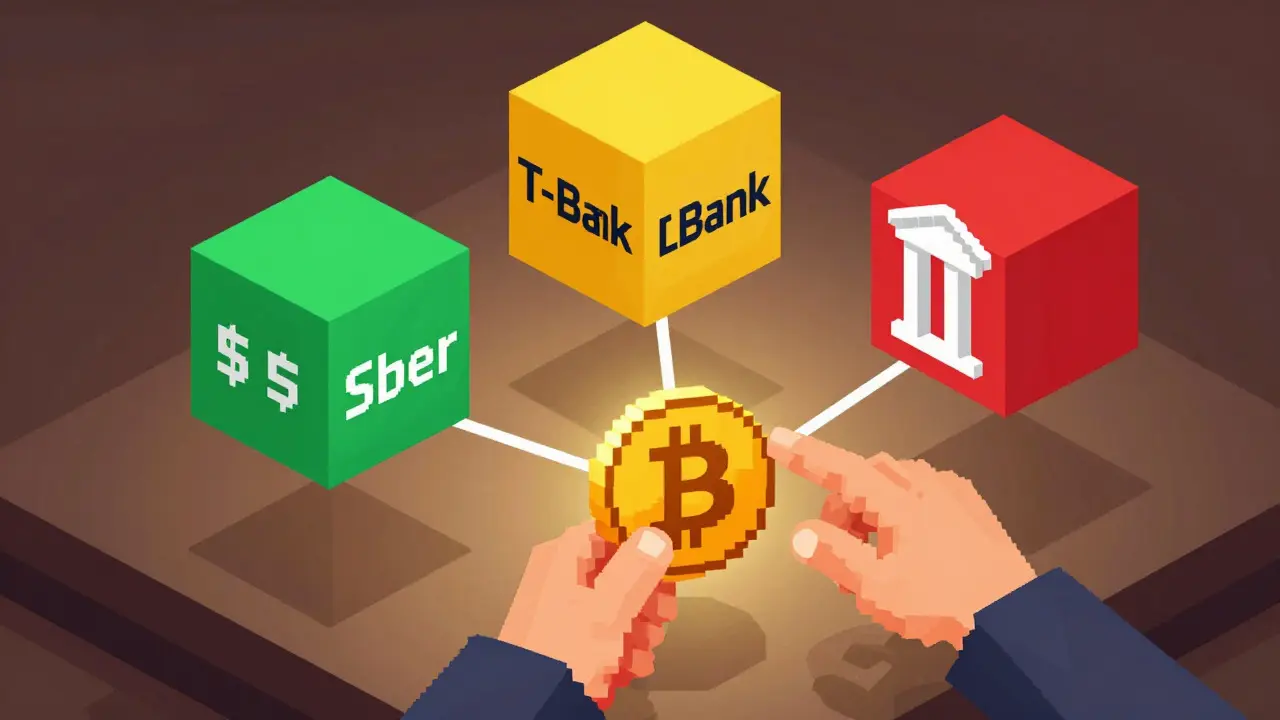
If you’re using Bybit or similar P2P platforms, you’ve probably noticed a confusing system of colored tags next to bank names. This is crucial for avoiding failed transactions. Here’s what you need to know:
- **Green Tag:** Indicates Sberbank. While Sberbank is huge, it has stricter monitoring. Success rates are around 87%.
- **Yellow Tag:** Represents Tinkoff (now rebranded as T-Bank). Community data from September 2025 shows a 92% success rate for payments made through T-Bank. Many traders prefer this option for reliability.
- **Red Tag:** Often indicates smaller regional banks or those with frequent blocks. Use these with caution.
When selecting a seller, don’t just look at the price. Look at their completion rate and transaction count. The golden rule? Stick to sellers with a minimum 95% completion rate and at least 50 completed trades. This simple filter eliminates 90% of potential scams. Also, always use the platform’s chat to confirm details before sending money. Never communicate outside the app.
| Method | Best For | Average Fee | Time to Complete | KYC Required? |
|---|---|---|---|---|
| Instant Card (ChangeNOW) | Small amounts (<500k RUB) | 1.5% - 3.9% | 5 - 10 mins | No (for small limits) |
| P2P Trading (Bybit) | Larger amounts, best rates | 0.5% - 2.0% | 10 - 30 mins | Yes |
| Local Exchange (Bitbanker) | Cash deposits, high volume | ~1.8% | Varies (instant for cash) | Yes |

Safety First: Avoiding Scams and Blocks
The biggest risk in P2P trading isn’t the platform-it’s human error. Fraudulent buyers sometimes try to reverse payments after receiving crypto. To protect yourself:
- **Check the Buyer’s Profile:** As mentioned, stick to verified users with high completion rates.
- **Use Price Locks:** Exchange rates fluctuate. Most platforms offer a price lock feature for a few minutes. Use it to ensure you’re paying the agreed amount.
- **Verify Payment Details:** Double-check the bank account number and name. A single digit error can mean lost funds.
- **Keep Records:** Save screenshots of chats and payment receipts. If a dispute arises, support teams will ask for this evidence.
Another common issue is "payment mismatches." This happens when you send money from a different bank than the one listed in the ad. For example, if the seller accepts T-Bank (yellow), but you send from Sberbank (green), the payment might be flagged. Always match the bank specified in the advertisement.
Regulatory Updates and the Digital Ruble
Looking ahead, the regulatory environment is evolving. The Central Bank launched the digital ruble in July 2025. Importantly, this state-backed currency is designed to coexist with private cryptocurrencies, not replace them. Think of it as two parallel systems: the digital ruble for domestic transactions and private crypto for cross-border moves and savings.
There’s also talk of Federal Bill No. 45877-8, which aims to clarify tax treatment for crypto transactions. Currently, 78% of users report confusion about declaring assets. Once this bill passes, we expect clearer guidelines, which could reduce compliance anxiety. Until then, consult a local tax advisor if you’re holding significant amounts.
Finally, remember that while the digital ruble offers stability, private cryptocurrencies like Bitcoin and USDT remain essential for hedging against inflation. With the ruble experiencing depreciation, many Russians view crypto as a store of value. Just stay informed, follow the safety protocols, and choose your platform wisely.
Which bank is best for P2P crypto trading in Russia?
Tinkoff (now T-Bank) is generally considered the most reliable for P2P transactions, with a 92% success rate according to community data. Sberbank works but has more frequent blocks (87% success rate). Avoid smaller regional banks unless necessary, as they often have red tags indicating higher risk of transaction failure.
What documents do I need for KYC verification?
You typically need a valid Russian passport, your INN (Individual Taxpayer Number), and sometimes SNILS (insurance certificate). Some platforms may also require proof of address. Verification usually takes 12 to 48 hours, so plan accordingly if you’re in a hurry.
Are there daily limits for buying crypto?
Yes. Non-verified accounts are limited to 600,000 RUB per day. Verified accounts can transact up to 5,000,000 RUB daily, depending on the platform and your verification level. These limits align with Federal Law No. 115-FZ requirements.
Can I buy crypto with cash in Russia?
Yes, through specialized exchanges like Bitbanker. They have physical offices in Moscow, Dubai, and Bishkek where you can deposit cash in exchange for crypto. This method is fast and avoids online banking issues, but it requires full KYC verification and may have slightly higher fees.
Will the digital ruble replace Bitcoin?
No. The Central Bank of Russia has stated that the digital ruble will operate alongside private cryptocurrencies. The digital ruble is intended for domestic payments and monetary sovereignty, while private cryptos like Bitcoin and USDT will likely continue to serve cross-border transactions and investment purposes.