
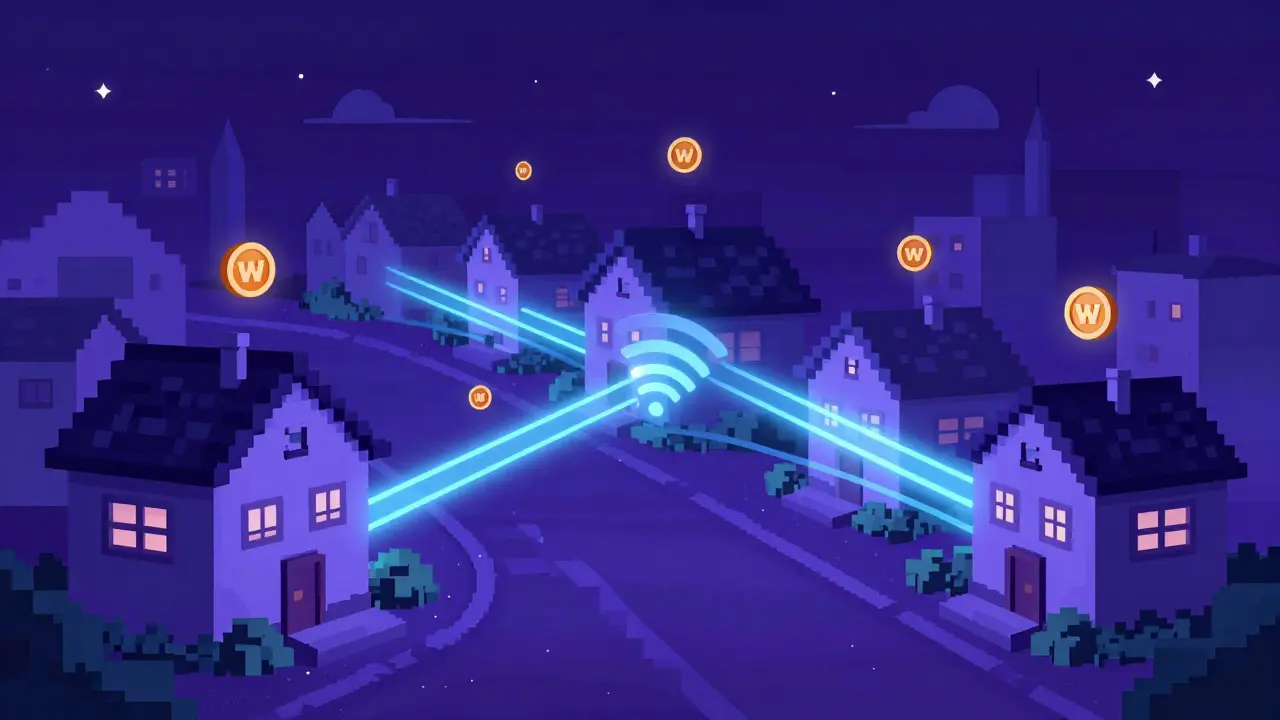
Imagine earning cryptocurrency just by letting your neighbors use your extra internet bandwidth. That is the core promise of Wicrypt is a decentralized wireless infrastructure project designed to let users share internet connectivity through physical hardware in exchange for rewards. Also known as Wicrypt Network, it aims to disrupt traditional ISPs by creating a peer-to-peer web of connectivity. However, if you are searching for a current "NFT & Device Drop" airdrop, the reality is more complex than a simple claim button. While the project initially sparked massive interest, the current state of its distribution and hardware rollout tells a cautionary tale about the intersection of blockchain and physical hardware.
The Reality of the Wicrypt Airdrop and Token Distribution
Many people enter the crypto space looking for a quick airdrop, but Wicrypt's approach was different. The project primarily distributed its WNT is the native utility token of the Wicrypt ecosystem used for governance and network participation token through a Token Generation Event (TGE) that wrapped up in December 2021. Instead of a random drop to wallet holders, the distribution was tied to investment and hardware adoption.
If you are looking for an NFT-specific drop, it is important to check the official channels. Much of the early excitement revolved around the Wicrypt airdrop potential, but official records show that the bulk of tokens were allocated through a private funding round of $1.5 million and a launch on the OccamRazer is a decentralized launchpad on the Cardano blockchain used for initial token offerings platform. This means that unlike "meme coin" drops, getting WNT usually required either participating in the IDO or buying the physical hardware.
How the Device Drop Actually Works
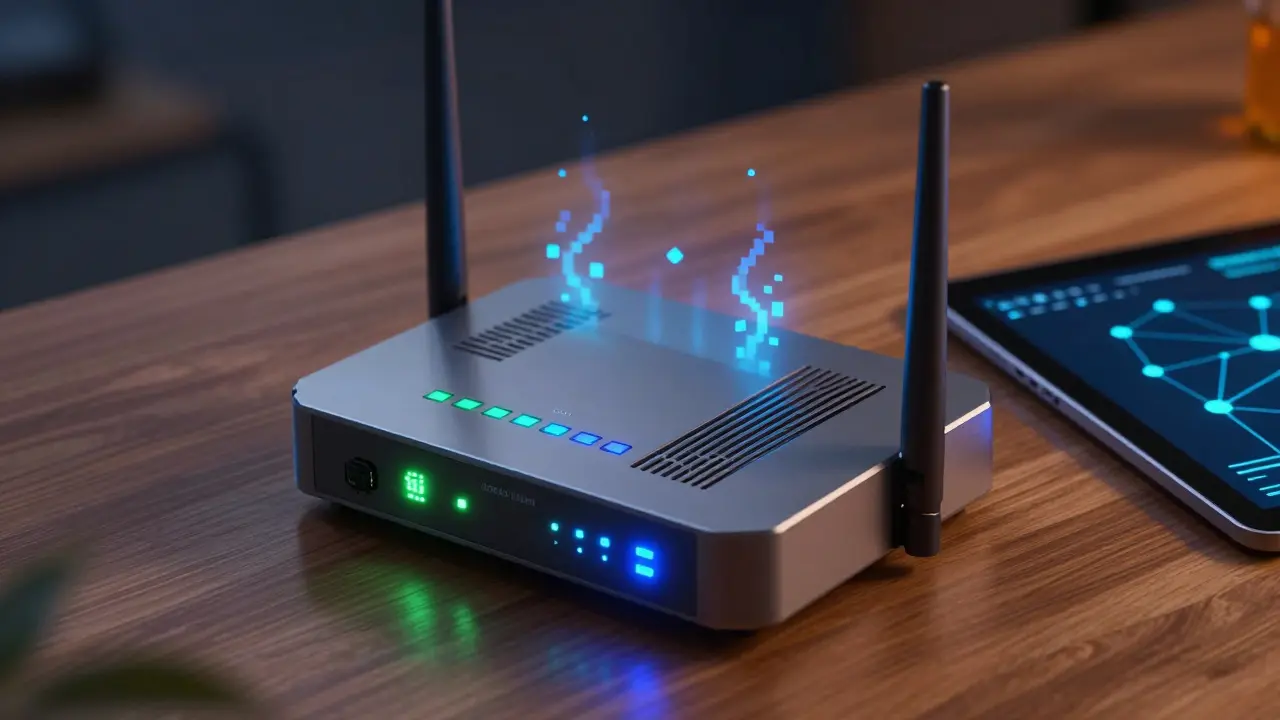
Wicrypt isn't just software; it's a hardware play. To actually "mine" or earn tokens, you need a specific device. This "Device Drop" refers to the deployment of specialized routers that act as nodes in the decentralized network. These devices are the backbone of the entire project.
To get started with the hardware, users typically follow these steps:
- Purchase the official Wicrypt router (originally priced around $99).
- Connect the device to an existing high-speed internet connection.
- Configure the router to share a portion of your bandwidth with other users in your area.
- Maintain high uptime to ensure the network remains stable and your earnings continue.
The hardware itself is fairly beefy for a blockchain router, featuring dual-band Wi-Fi (2.4GHz and 5GHz), gigabit Ethernet ports, and ARM-based processors. This ensures that the device can handle both the networking traffic and the blockchain operations without crashing-though early users on Reddit reported that overheating in tropical climates was a real issue.
WNT vs. The Competition: How Does It Stack Up?
Wicrypt entered a crowded field of decentralized wireless projects. The most famous is likely Helium, which uses LoRaWAN technology. While Helium focuses on the "Internet of Things" (IoT) like sensors and trackers, Wicrypt targets the everyday internet user. This is a huge distinction: one is for machines, the other is for people.
| Feature | Wicrypt (WNT) | Helium (HNT) | RightMesh (RMESH) |
|---|---|---|---|
| Primary Tech | Wi-Fi | LoRaWAN | Mesh Networking |
| Main Use Case | General Internet Access | IoT Device Connectivity | Community Mesh Nets |
| Initial Funding | $1.5 Million | Varies (High Market Cap) | Varies |
| Primary Market | Emerging Markets (e.g., Nigeria) | Global | Global/Local |
While the focus on Wi-Fi makes Wicrypt more relatable to the average person, it also means they face massive competition from established telecom giants. It is much harder to convince someone to switch their home Wi-Fi to a decentralized protocol than it is to convince a company to use a specialized IoT network.
The Red Flags: What You Need to Watch Out For
If you are considering jumping into WNT now, you need to look at the data. In the crypto world, "ghost projects" are common. When you check the GitHub is a developer platform used for hosting and collaborating on software projects via Git repository for Wicrypt, there has been very little activity since March 2022. This is a major red flag. If the developers aren't coding, the project isn't evolving.
Furthermore, the tokenomics were designed with long vesting schedules. While this is meant to prevent a price crash, it often leads to "selling pressure" once those tokens finally unlock. Combined with the fact that WNT has been delisted from many major exchanges, the liquidity is dangerously low. You might hold the tokens, but finding a place to sell them for a fair price is another story.
Practical Pros and Cons for Early Adopters
For those who actually used the devices in cities like Lagos, the experience was a mixed bag. Some users reported earning a few dollars a day, which is great in markets where internet is expensive. However, others struggled with hardware reliability. If your router reboots every few hours, you lose your earnings and the people paying for your internet get disconnected.
- The Good: High utility in regions with poor ISP infrastructure; responsive customer support in the early days; a clear way to monetize unused bandwidth.
- The Bad: Shipping delays (some waited 8 weeks); overheating issues; limited geographical availability.
- The Ugly: Stagnant development and disappearing liquidity on exchanges.
Is the Wicrypt Network Still Viable?
As of 2026, the outlook for Wicrypt is grim. Most analysts, including those from Delphi Digital, have pointed out that hardware-dependent blockchain projects have a very high failure rate-over 70% often fail within 18 months. Wicrypt seems to have fallen into this trap. The lack of transparency regarding exactly how many devices are actually active makes it hard to trust the "network growth" claims.
That said, the problem Wicrypt tried to solve-expensive and unreliable internet in emerging markets-is still very real. While this specific project might be stalling, the concept of decentralized wireless (DeWi) is still a hot topic in the tech world. If you're interested in this space, look for projects with active GitHub commits, transparent node maps, and strong exchange support.
Can I still claim a Wicrypt airdrop today?
Most of Wicrypt's token distributions happened during the 2021 TGE and through the OccamRazer IDO. There is no widely active, official "click-to-claim" airdrop currently available. Be very wary of websites asking for your private keys to "claim" WNT tokens, as these are almost certainly scams.
How do I earn WNT tokens with a device?
You earn tokens by acting as a node. You must purchase a Wicrypt router, connect it to your internet, and share your bandwidth. The network rewards you based on the amount of data shared and your device's uptime.
Which blockchain does WNT use?
WNT originally launched on the Cardano blockchain via the OccamRazer platform, though the project aimed to expand across multiple ecosystems to increase accessibility.
Why is WNT not on major exchanges anymore?
Many tokens are delisted if trading volume drops too low or if the development team stops updating the project. Wicrypt's minimal GitHub activity and shrinking community have likely contributed to its removal from major platforms.
Is Wicrypt hardware safe to use?
The devices are standard ARM-based routers. While generally safe, users in hot climates reported overheating. Always ensure your hardware is in a well-ventilated area to prevent damage or fire hazards.




Omotola Balogun
April 10, 2026 AT 04:28As someone based in Lagos, the hardware struggle was way more than just a few bugs. The thermal throttling on those ARM chips was a total nightmare during the heatwaves, making the "uptime" reward a complete joke. Most of us realized too late that the firmware was basically abandoned while the marketing team kept promising the moon. It is the classic story of overpromising on the utility while the actual dev work is non-existent. The lack of GitHub updates since 2022 is the real smoking gun here, honestly. People keep chasing airdrops without checking if the project even has a pulse anymore. I saw dozens of these routers become expensive paperweights across the city. The dream of decentralized internet is great, but the execution here was abysmal. You cannot run a global network on hopes and dreams and a router that melts in Nigerian weather. The liquidity issue is just the final nail in the coffin for anyone who actually bought in. It is a textbook case of a ghost project masquerading as a revolution. Definitely stay away from any "claim" links you see floating around now.
James Bone
April 11, 2026 AT 10:37Exactly. It is just another cycle of greed where people mistake a whitepaper for a product. The moral failure here is that they targeted emerging markets where people are actually desperate for connectivity, then vanished when the funding dried up. It is practically a digital colony project if you think about it. Purest form of vaporware.
Surender Kumar
April 11, 2026 AT 19:37hope some of these devices still work for basic wifi tho
Adam Auksel
April 12, 2026 AT 02:49That is the spirit! Always look for the silver lining 🌟 although it is definitely a risky play right now. Better to learn from these mistakes for the next project! 🚀
EDOZIEM MICHAEL
April 13, 2026 AT 04:14connection is just a bridge between souls and the bridge has collapsed if the code isnt there
Chidinma Sandra okafor
April 14, 2026 AT 03:49Wow, look at this a whole essay on why our markets are "emerging" and failing. So helpful. I love how these articles always treat the hardware like a toy while we are the ones actually dealing with the fallout of these scams. Absolute joke.
Stanly Hayes
April 14, 2026 AT 11:29Listen, the concept of DeWi is the future regardless of this specific failure! You can't just dismiss the whole idea because one company couldn't handle a little heat in Nigeria. Get with the program or get left behind!
Tracie and Matthew Hartley
April 14, 2026 AT 14:35lol why would i even want a router that lapped my internet to strangers? sounds like a security nightmare waiting to happen tbh. wnt is just another fancy word for nothing
Lane Montgomery
April 15, 2026 AT 19:36Check your router settings. Now.
Rob Mitchell
April 16, 2026 AT 12:17Helium is definitely the more stable benchmark here. Focus on LoRaWAN if you want longevity.
Jessie Tayaban
April 17, 2026 AT 02:41OMG i almost clicked one of those fake airdrop links last week!!! 😱 thank god for this warning because i would have been so devastated if my wallet got drained lol!
Tyler Webb
April 17, 2026 AT 14:44That sounds really stressful, glad you didn't click it! 🫂
Aaliyah BROTHERS
April 18, 2026 AT 09:05THEY ARE WATCHING US THROUGH THE ROUTERS!!! 📡 It is all a plot by the big telecom lords to map every single house in the third world so they can control the signal... WAKE UP PEOPLE!!! The "overheating" was probably just the surveillance chips working overtime!!! 😡🔥
Akshay Gorad
April 18, 2026 AT 18:55It is best to maintain a healthy distance from these high-risk hardware plays until there is clear transparency.