
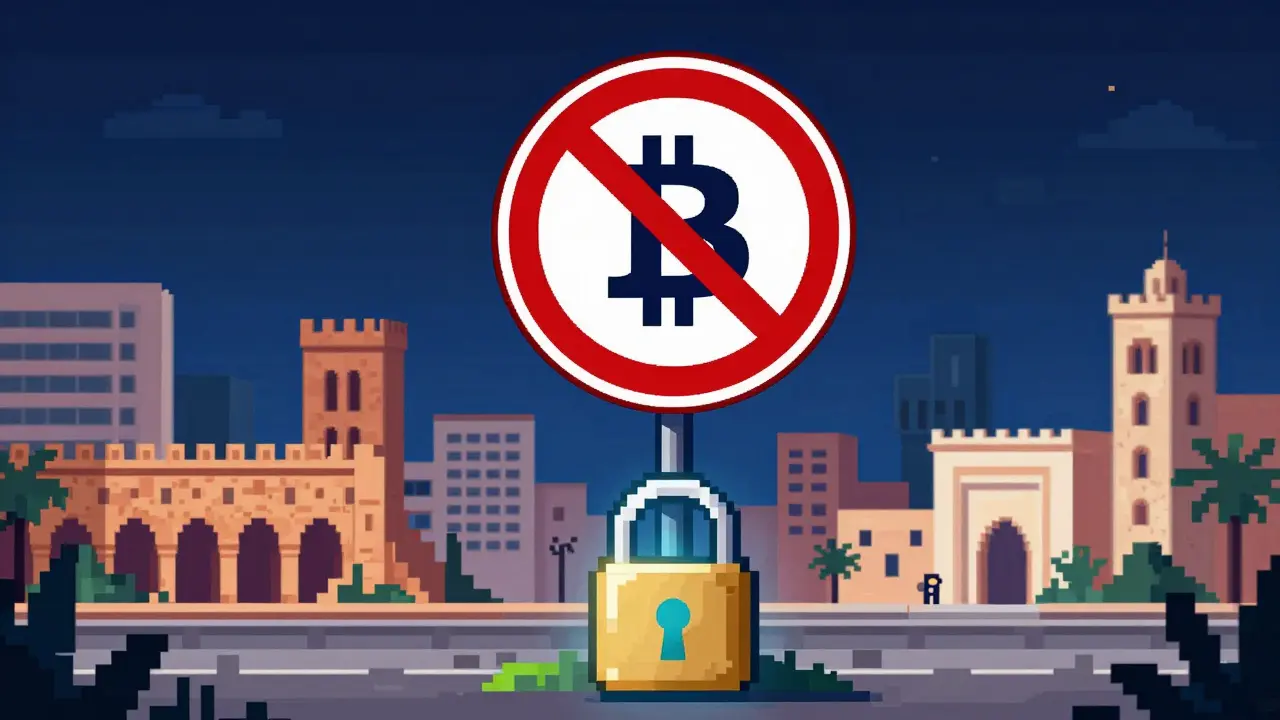
You might be wondering why a country with such a vibrant tech scene would slam the door on digital assets. Tunisia's complete cryptocurrency ban is one of the strictest in the world, prohibiting everything from buying Bitcoin to mining it in your garage. If you are thinking about trading, investing, or even just holding crypto while living in or doing business with Tunisia, this isn't just a minor hurdle-it’s a legal minefield. Unlike many nations that are figuring out how to regulate these assets, Tunisia has chosen prohibition. But why? And what does this mean for the future?
The Core of the Prohibition: The 2018 Directive
To understand the current landscape, we have to look back at May 2018. That is when the Central Bank of Tunisia (BCT) issued a directive that effectively outlawed all virtual currency transactions. This wasn't a vague suggestion; it was a blanket ban. It covers public trading, exchange services, merchant payments, and mining operations. You cannot legally trade, exchange, or use cryptocurrencies without explicit state authorization, which, as of today, doesn't exist for general users.
This move placed Tunisia in a very small club. Alongside countries like China, Egypt, and Algeria, it became one of only eight nations globally to enforce a total ban. While neighbors like Morocco have started exploring blockchain technology, Tunisia remains rigid. The BCT cited two main reasons for this hardline stance: preventing capital flight and stopping money laundering. In an economy already struggling with balance of payments issues and foreign reserve shortages, policymakers feared that unregulated digital currencies would drain liquidity and destabilize the Tunisian dinar.
What Is Actually Illegal? A Breakdown of Restrictions
If you are new to the topic, "crypto ban" can sound abstract. Let’s get concrete about what you cannot do under Tunisian law.
- Trading and Exchanging: Operating an exchange is illegal. Buying or selling crypto on international platforms using Tunisian bank cards is blocked by local banks. Since 2018, financial institutions have been barred from facilitating any cryptocurrency transactions.
- Mining: This is particularly heavily scrutinized. Customs authorities are authorized to seize ASIC mining rigs upon import. Even if you manage to get hardware in, exchanging mined coins for Tunisian dinars constitutes a violation of the 2018 directive.
- Merchant Payments: Shops, restaurants, and service providers cannot accept digital assets as payment. Any transaction involving crypto for goods or services is classified as illegal.
- Marketing Tokens: Promoting Initial Coin Offerings (ICOs) or marketing tokens to Tunisian residents is prohibited.
The penalties for breaking these rules are severe. Under currency-control regulations, violations can result in heavy fines and imprisonment of up to five years. Yes, five years. This applies to operating an exchange, but also extends to individuals caught in significant illicit activities. The message from the regulator is clear: there is no gray area.
The Enforcement Reality: Underground Markets and Risks
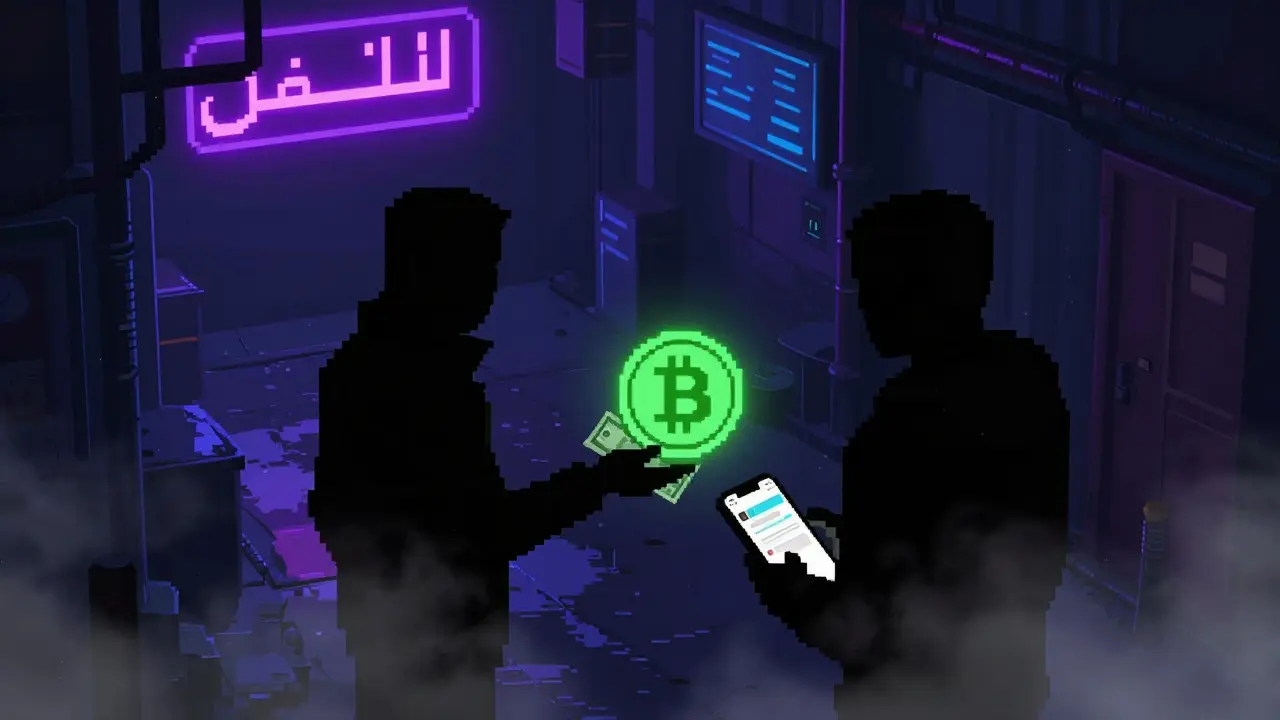
So, is crypto completely dead in Tunisia? Not exactly. Human ingenuity often finds a way around prohibitions, especially when demand exists. From 2013 to 2017, before the formal ban, Bitcoin trading happened largely through peer-to-peer chat rooms. Today, similar underground ecosystems persist.
Local enthusiasts report that small-scale peer-to-peer trading continues, often facilitated through social media groups or encrypted messaging apps. However, this comes with massive risks. Without banking support, users rely on cash deals or complex workarounds that leave them vulnerable to scams. There is no consumer protection. If you send money and don’t receive the crypto, you have nowhere to go.
A stark reminder of the dangers occurred in 2021 when a teenager was jailed for exchanging a small amount of cryptocurrency. This case sparked a national debate and reached cabinet-level discussions about potential decriminalization. It highlighted how the harsh legal framework could impact ordinary citizens rather than just large-scale criminals. While enforcement varies, with some small-scale activities slipping through the cracks, mainstream adoption remains severely limited by the fear of legal repercussions and banking restrictions.
| Approach Type | Countries Examples | Key Characteristics | Risk Level for Users |
|---|---|---|---|
| Total Ban | Tunisia, China, Egypt | All transactions prohibited; severe penalties including jail time. | Extremely High |
| Partial Restriction | Vietnam, Kuwait, Georgia | Banking sector involvement limited; private trading may be tolerated. | Medium |
| Regulated Framework | Singapore, Switzerland, Germany | Licensing required for exchanges; clear tax and compliance rules. | Low |
| Legal Tender | El Salvador | Crypto accepted as official currency alongside fiat. | Variable (High Volatility) |
The Exception: The Fintech Sandbox
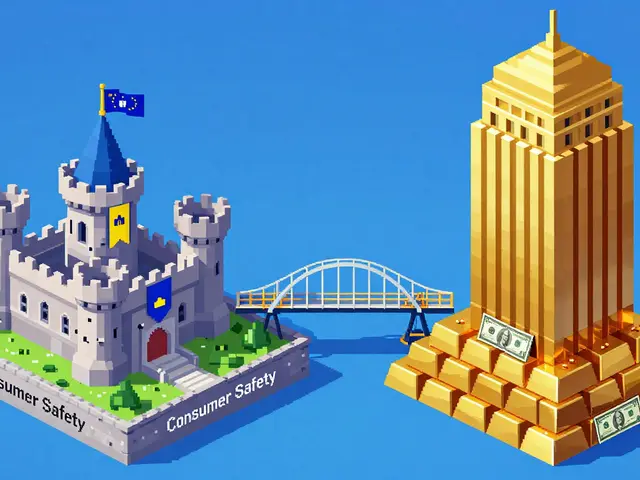
Here is where things get interesting. While the government bans cryptocurrency, it loves blockchain technology. In 2020, the BCT launched a regulatory sandbox. This allows a select group of fintech companies to test blockchain-based solutions under tight supervision.
This isn't about letting people buy Bitcoin. It’s about innovation in supply chains, remittances, and traceability. Local startups like VFunder (creative crowdfunding), Hydro E-Blocks (carbon tracking), and No Phobos (AI-generated NFTs) have participated. These cohorts last six to twelve months with strict user and volume limits.
The government sees value in blockchain for land registry digitization and targeted subsidy distribution. They want the efficiency and transparency of distributed ledger technology without the volatility and capital flight risks associated with speculative cryptocurrencies. So, while you can’t mine Bitcoin, a startup might get permission to build a private blockchain for tracking agricultural exports. It’s a nuanced distinction, but a crucial one for understanding Tunisia’s policy.

Compliance Burdens for Businesses
If you are running a business in Tunisia, even if you aren't directly dealing with crypto, the regulatory environment is heavy. Companies must implement comprehensive Anti-Money Laundering (AML) checks. This includes Customer Due Diligence (CDD) and Enhanced Due Diligence (EDD) for high-risk clients.
Know Your Customer (KYC) requirements are strict. You need a Customer Identification Program (CIP) that verifies identities through official photo documents like National Identity Cards or passports. Address confirmation via recent utility bills is mandatory. All records must be retained for at least 10 years. Suspicious transactions must be reported to the Tunisian Financial Analysis Committee (CTAF) within 10 days. For corporate clients, Know Your Business (KYB) checks verify registration documents and identify Ultimate Beneficial Owners (UBOs). This rigorous framework shows the state’s priority: controlling financial flows above all else.
Future Outlook: Will the Ban Lift?
As of 2025 and looking into 2026, the winds might be changing. The global pressure to modernize regulations is mounting. Major corporations like Microsoft, PayPal, and Tesla have embraced crypto, making isolation difficult for any economy wanting to attract foreign investment.
Parliamentary committees are considering a draft bill to decriminalize cryptocurrency possession and create a licensing regime. This would be a monumental shift. It suggests that policymakers recognize absolute prohibition may be unsustainable. The BCT’s Digital Tunisia 2025 project explicitly lists blockchain technology for supply chain transparency, indicating institutional acceptance of the underlying tech.
However, don't expect overnight changes. The economic challenges-currency devaluation pressures and limited foreign exchange reserves-continue to influence policymaker reluctance. The timeline for regulatory changes remains uncertain. For now, the ban holds, but the conversation has shifted from "how do we stop it" to "how do we control it."
Is it illegal to own Bitcoin in Tunisia?
Technically, yes. The 2018 directive prohibits all virtual currency transactions without state authorization. While simple possession might not always trigger immediate arrest, any attempt to buy, sell, or exchange it is illegal and carries penalties including fines and imprisonment.
Can I use my Tunisian bank card to buy crypto on Binance?
No. Tunisian banks are strictly barred from facilitating cryptocurrency transactions. Card purchases at foreign exchanges are actively blocked by local financial institutions since the implementation of the ban.
Why did Tunisia ban cryptocurrency?
The Central Bank of Tunisia cited capital flight and money laundering risks as primary justifications. The government aims to protect the stability of the Tunisian dinar and prevent the loss of foreign exchange reserves in an economy facing balance of payments challenges.
Are there any exceptions to the crypto ban?
Yes, but only for approved fintech startups in the regulatory sandbox. These companies can test blockchain technologies for specific purposes like supply chain tracking or remittances under tight supervision, but they cannot operate public crypto exchanges.
What are the penalties for violating the crypto ban?
Violations can result in severe penalties, including heavy fines and imprisonment of up to five years under currency-control regulations. Customs authorities can also seize equipment like mining rigs.




Mike S
May 15, 2026 AT 03:41Oh look, another country trying to play god with money while their economy crumbles like a dry cracker. The irony is palpable here folks. They ban crypto to stop capital flight but the dinar is literally melting faster than ice in a sauna. Five years in jail for holding bitcoin? Really? That's not regulation, that's just fear dressed up as policy. It’s absolutely pathetic.
Michael Berggren
May 16, 2026 AT 23:58I think we need to look at this from a different angle 🌱 The Central Bank isn't just being mean for no reason. When you have an economy struggling with balance of payments, every dollar that leaves is a blow to stability. Crypto makes it too easy for people to move wealth out without the state knowing. It’s understandable why they’d clamp down hard even if it feels harsh on individuals 💡
Zara Zaman
May 17, 2026 AT 01:05Tunisia should focus on its own sovereignty instead of letting global tech trends dictate their laws. Foreign influence is everywhere and these digital currencies are just tools for western powers to bypass local controls. We need strong borders financial or otherwise. Let them keep their volatile coins we will stick to what works and protect our reserves from theft.
Sudarshan Anbazhagan
May 18, 2026 AT 05:04The situation is quite dire really when one considers the historical context of currency control measures implemented by various nations throughout the twentieth century and how they often fail to address the root causes of economic instability rather treating symptoms with heavy handed authoritarian approaches which inevitably lead to black markets and further erosion of trust in governmental institutions thereby creating a vicious cycle of decline that is difficult to reverse without significant structural reforms and international cooperation which seems lacking in the current geopolitical landscape
John Gonzalez Bentham
May 18, 2026 AT 10:09typo alert everyone thinks crypto is free money but its just a scam for rich guys to dump assets on poor people who dont understand math. tunisia did the right thing by banning it because most people are stupid enough to lose everything anyway. why bother regulating something that is basically gambling with extra steps lol.
Bradley Geldenhuys
May 19, 2026 AT 14:41look i get the frustration but lets be real here the underground market is going to explode regardless of what the government says. people want freedom and they will find ways around it whether its p2p trades or cash deals under bridges. the more you ban the more valuable it becomes. its basic economics bro. maybe they should just tax it heavily instead of pretending it doesnt exist 👊
robert Whitehead
May 20, 2026 AT 20:04You are all missing the point entirely. This is about moral decay and the lack of discipline in society. Cryptocurrency represents unchecked greed and speculation. By allowing it, Tunisia would be endorsing a culture of instant gratification and risk-taking that undermines hard work and traditional savings. The ban is a necessary corrective measure to restore order and responsibility to the financial system. Those who complain are simply unwilling to accept personal accountability for their financial choices.
Bijan Das
May 20, 2026 AT 23:18rich people always find a way out while the little guy gets locked up. classic move. meanwhile the elites are probably buying yachts with offshore accounts while telling us to stay in line. typical elite behavior really shows how much they care about the common person huh not very much apparently.
Kiran CS
May 22, 2026 AT 05:13One must appreciate the sheer audacity of such a directive coming from a nation that prides itself on modernization efforts yet clings to archaic methods of financial control. It is rather pretentious to claim innovation while simultaneously crushing the very technological advancements that drive progress globally. A true intellectual would recognize the futility of fighting the tide of decentralization.
Ashley Rodriguez
May 23, 2026 AT 02:16i feel for the people living there though because it must be so stressful trying to manage your finances when half the world is moving forward and you are stuck behind looking over your shoulder wondering if someone will report you for having a wallet on your phone it creates this constant anxiety that affects daily life and relationships too
Bridget Coogle
May 23, 2026 AT 23:08let's try to understand both sides here. the government wants stability and safety for citizens. but citizens want opportunity and choice. finding a middle ground where blockchain can be used for good like supply chain tracking without the wild west aspect of trading might be the key. we need empathy for those enforcing rules and those breaking them.
Larry Port
May 25, 2026 AT 05:36it's interesting how they allow fintech sandboxes but ban crypto outright. seems like they want the tech without the threat. maybe that's smart actually. use blockchain for efficiency but keep the money controlled. curious if other countries will follow this hybrid model or go full liberalization.
Amit Varpe
May 25, 2026 AT 06:06India has its own issues with crypto but at least we aren't throwing kids in jail for it. Tunisia needs to wake up and join the rest of the world. Stop being paranoid about foreign exchange and start empowering your youth. Innovation happens when you let people experiment not when you lock them up. :)
Bronwen Butler
May 27, 2026 AT 05:17everyone assumes bans work but history proves otherwise. prohibition never stops demand it just drives it underground where it becomes more dangerous. tunisia is proving this again. simple fact complex problem.
Caique Muniz
May 27, 2026 AT 14:18lol five years in prison for bitcoin? sounds like a joke but sadly its reality. the article is boring but the consequences are hilarious in a dark way. imagine getting arrested for holding digital tokens while your bank charges you fees for breathing. typical banking industry protecting their turf by any means necessary.
Jan Gilmore
May 27, 2026 AT 16:37Folks listen up. I've been tracking emerging markets for decades and I can tell you this trend won't last. Global pressure from corporations like Microsoft and Tesla forces change. Tunisia is isolated but isolation doesn't pay bills. Watch for regulatory shifts in 2026. Smart money moves now.
Jocelyn Garcia
May 28, 2026 AT 17:09the regulatory sandbox concept is fascinating from a fintech perspective. allowing specific use cases like carbon tracking or supply chain transparency while banning speculative assets shows a nuanced understanding of distributed ledger technology applications. it separates the utility of the protocol from the volatility of the tokenomics layer effectively mitigating systemic risk while fostering innovation in enterprise solutions.
H F
May 30, 2026 AT 04:51Brilliant analysis of the sandbox approach! It gives me hope that sensible regulation is possible. We don't need total chaos nor total restriction. Finding that sweet spot where innovation thrives within safe boundaries is exactly what governments should aim for. Great read overall!
Sharada Vakkund
May 31, 2026 AT 13:00We all have different perspectives on this issue and that's okay. Some see danger others see opportunity. What matters is how we engage with each other respectfully. Let's support initiatives that help educate people about the risks and benefits so they can make informed decisions regardless of where they live. Community first always.
Kimberly Herbstritt
June 1, 2026 AT 14:39Oh please spare me the 'community first' talk. You're either for freedom or you're against it. There is no middle ground when it comes to censorship of financial tools. This ban is pure oppression disguised as protection. Wake up sheeple.
Sarah C
June 2, 2026 AT 07:49I agree with Kimberly that we need to stand firm on principles but also acknowledge the complexities involved. Collaboration between policymakers and tech communities could yield better results than outright hostility. Let's keep the dialogue open and constructive for everyone's benefit.
Ankush Pokarana
June 3, 2026 AT 01:41the philosophical implication of state control over individual wealth is profound. when a government dictates not only what currency is valid but also restricts the mechanisms of exchange it fundamentally alters the social contract. this raises questions about autonomy and trust. perhaps the solution lies not in rebellion but in education and gradual integration of decentralized principles into existing frameworks ensuring stability without sacrificing liberty entirely
Bianca Vilas Boas Lourenço
June 3, 2026 AT 06:59Ugh reading all these serious takes gives me a headache 😩 Can we just admit that crypto is mostly hype and scams anyway? Maybe Tunisia saved themselves from losing billions to rug pulls and ponzi schemes. Not everything shiny is gold sometimes it's just trash wrapped in blockchain terminology 🙄
Yash Lodha
June 5, 2026 AT 02:14Do not be fooled by the surface narrative. The ban is merely a smokescreen for deeper conspiracies involving international banking cartels seeking to maintain monopoly power over global liquidity flows. Tunisia is likely pressured by shadowy entities to enforce these restrictions to prevent exposure of illicit transactions hidden within the opaque layers of traditional finance. Trust nothing.
Jesse Alston
June 5, 2026 AT 03:20Hey everyone 👋 Just wanted to add some helpful context regarding the penalties mentioned. While imprisonment is possible it usually targets large scale operators or those involved in money laundering rather than small holders. However ignorance of the law is no excuse so please consult legal counsel if you are unsure about compliance requirements in your jurisdiction. Stay safe out there! 🛡️