Real Estate Tokenization: What It Is and How It’s Changing Property Ownership
When you think of buying a house, you probably imagine a down payment, a mortgage, and months of paperwork. But what if you could buy just 1% of a luxury apartment in Miami with a few clicks? That’s the idea behind real estate tokenization, the process of turning physical property into digital tokens on a blockchain, each representing fractional ownership. Also known as tokenized property, it’s not science fiction—it’s already happening in places like Switzerland, Singapore, and parts of the U.S.
Real estate tokenization works by splitting a property’s value into hundreds or thousands of digital tokens, usually built on blockchains like Ethereum or Solana. These tokens can be bought, sold, or traded like stocks—except instead of shares in a company, you own a piece of a building, a farm, or even a commercial office park. This breaks down the biggest barrier to real estate investing: high entry costs. You don’t need $500,000 to own part of a building anymore. With tokenization, you can start with $50. It also makes selling faster. No more waiting for buyers, open houses, or appraisals. You just trade your token on a crypto exchange.
Behind this shift are tools like blockchain real estate, platforms that use smart contracts to automate ownership transfers, rent collection, and compliance. Also known as property ownership on blockchain, these systems remove middlemen like brokers and title companies, cutting fees and reducing fraud. Smart contracts automatically pay out rent to token holders, track who owns what, and even enforce rules like who can rent the property. Some platforms even let you vote on property improvements—like whether to install solar panels or renovate the lobby—based on how many tokens you hold. And it’s not just for rich investors anymore. People in countries with unstable currencies or limited housing access are using tokenized real estate as a way to preserve wealth and earn passive income.
But it’s not all smooth sailing. Regulations are still catching up. In the U.S., the SEC treats many real estate tokens as securities, meaning they must follow strict rules. Some projects have failed because they didn’t comply. Others are thriving by partnering with licensed platforms that handle the legal side. That’s why you’ll see posts here about platforms like AirSwap and Elk Finance—not because they’re real estate platforms themselves, but because they’re part of the infrastructure that makes tokenized assets tradeable across blockchains. You’ll also find warnings about fake projects, like CHAINCREATOR or PAXW, that pretend to offer property tokens but vanish overnight. Real tokenization isn’t a get-rich-quick scheme. It’s a new way to own, manage, and profit from physical assets—with less friction, more transparency, and far more access than ever before.
Below, you’ll find real reviews, breakdowns, and warnings about the platforms, tokens, and scams shaping this space. No fluff. Just what’s working, what’s not, and what you need to know before you invest.
Future of Security Token Markets: How Blockchain Is Rewriting Finance
By Robert Stukes On 8 Dec, 2025 Comments (18)
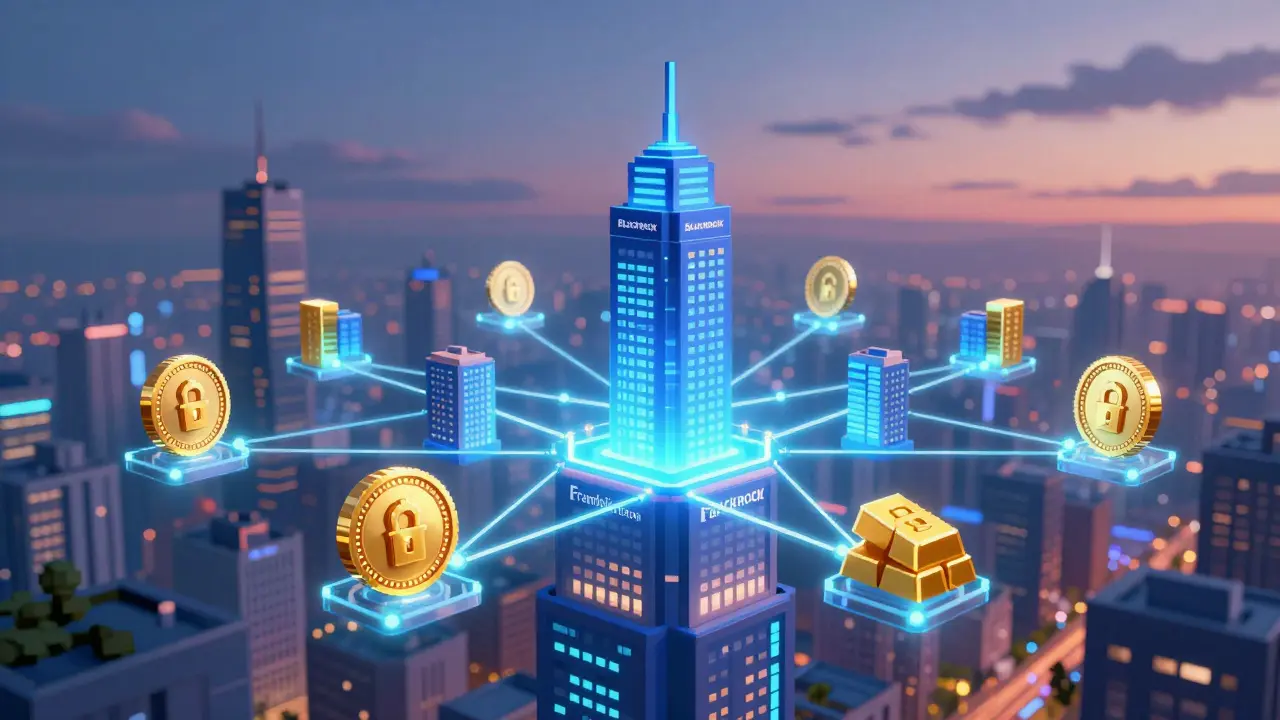
Security token markets are transforming finance by turning real assets like real estate and bonds into digital tokens. With institutional adoption rising and regulation clarifying, this $30 trillion market by 2030 is reshaping how we own and trade value.
View More