Low Energy Cost Mining
When working with low energy cost mining, the practice of extracting cryptocurrency while keeping electricity usage and bills to a minimum. Also known as green mining, it relies on efficient hardware, clean power, and smart location choices. This approach low energy cost mining encompasses renewable energy, solar, wind, or hydro sources that reduce grid dependence and ASIC efficiency, designs that deliver more hashes per watt. A higher hash rate, the number of hashes computed each second paired with low power draw improves blockchain security while cutting costs. In short, using less energy doesn’t mean sacrificing performance—it actually boosts long‑term profitability.
Key factors for low‑energy mining
Efficient ASICs are the workhorses of low‑energy mining. Modern chips like the Bitmain Antminer S19 Pro deliver about 30 J/TH, meaning each terahash consumes only 30 joules. Compared with older models that needed double the power, the savings add up fast. Because hash rate, measures raw computing power directly influences block‑finding speed, improving hash‑per‑watt translates to lower electricity bills per coin earned. Miners often fine‑tune firmware, undervolt GPUs, or safely overclock ASICs to squeeze extra efficiency without risking hardware failure.
Renewable power is the next big lever. Solar farms in sunny deserts, wind turbines on coastal cliffs, or hydro plants near rivers can feed mining rigs with cheap, carbon‑free electricity. Operators choose locations with abundant clean energy and cool climates, which also cuts cooling costs. By tying mining contracts to off‑peak grid hours or directly to renewable generators, farms can lock in stable, low rates and avoid price spikes caused by demand surges.
Beyond hardware and power, operational tactics matter. Immersive cooling—submerging hardware in non‑conductive fluids—dramatically reduces fan usage and keeps temperatures optimal. Some farms colocate near waste‑heat users, such as greenhouse growers or data‑center operators, turning what would be waste into a revenue stream. Cloud‑mining services let small investors tap into large‑scale efficiencies without buying equipment, spreading fixed costs across many users and further lowering per‑unit energy consumption.
Looking ahead, the push for low‑energy mining fuels innovation across the whole ecosystem. Layer‑2 solutions and proof‑of‑stake hybrids promise to shrink on‑chain demand, while next‑gen ASICs aim for sub‑10 J/TH targets. As regulators reward greener operations with lower taxes or incentives, miners who adopt these practices will stay ahead of both cost curves and compliance trends. Below you’ll find a curated set of articles—exchange reviews, token airdrops, scalability tricks, and more—that show how low‑energy mining shapes today’s crypto landscape and what you can do to benefit.
2025 Crypto Mining-Friendly Countries Ranking: Best Locations Revealed
By Robert Stukes On 6 Sep, 2025 Comments (24)
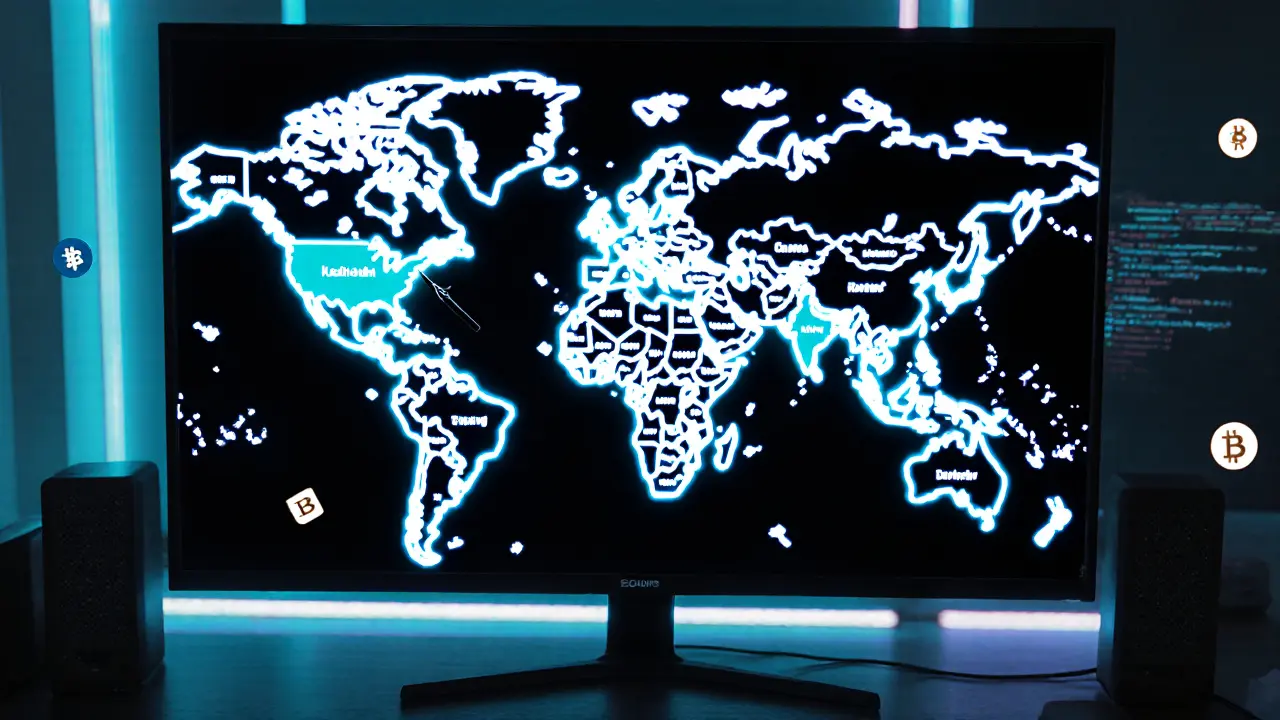
Explore the 2025 ranking of crypto mining-friendly countries, covering regulations, taxes, energy costs, climate benefits, and government support to help miners choose the optimal location.
View More