DIFX Fees: What They Are, How They Work, and Where to Find Real Crypto Exchange Costs
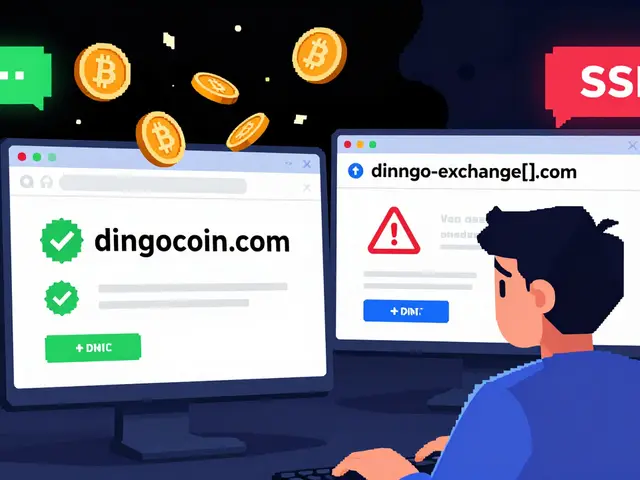
When people search for DIFX fees, a term that appears to reference a non-existent crypto exchange platform. Also known as DIFX trading costs, it DIFX transaction charges, it’s likely a mix-up, typo, or phantom name pulled from a scam site or outdated forum post. There’s no legitimate crypto exchange called DIFX in 2025. No audits, no team, no website you can trust. If you’re seeing ads or posts about DIFX fees, you’re probably being led toward a fake platform or a phishing page trying to steal your keys.
What you really want to know are the fees on actual exchanges—like the GateHub, a once-popular XRP-focused exchange with high, hidden fees that’s now outdated, or the AirSwap, a fee-free DEX that’s nearly dead due to zero liquidity. Real fees aren’t abstract—they’re the $0.10 you pay to swap tokens on Uniswap, the 0.5% spread on Kraken, or the gas cost you burn when trading on Ethereum. They’re what makes or breaks your profit after a trade. And they’re not hidden in made-up names like DIFX—they’re listed clearly on platforms that have been around long enough to earn trust.
Some exchanges charge nothing for swaps—like AirSwap used to—but then offer no liquidity, so your trade never goes through. Others charge low fees but lock your funds behind KYC or regional bans, like GateHub in the UK. Then there are the fake ones—like CHAINCREATOR or MMS—that don’t even exist, but still have Reddit threads and Telegram groups pushing "low fees" to lure you in. The truth? If a platform doesn’t have a clear fee schedule, a real team, or public audits, the "fees" aren’t low—they’re nonexistent because the whole thing is a ghost.
You’ll find real fee data in posts about Elk Finance, a cross-chain DEX that shows exact swap costs across 14 blockchains, or in reviews of Alcor Exchange, an EOSIO-focused DEX with tight spreads but no mobile app. These aren’t theoretical—they’re lived experiences from traders who’ve actually swapped tokens and paid the price in gas, spreads, or time.
Don’t waste time chasing DIFX. Instead, look at what’s real: how much you pay to move tokens between chains, how much you lose to slippage on low-volume tokens, or how often a "zero fee" platform forces you to hold its native coin just to trade. The crypto space is full of noise—but the fees you actually pay? That’s the signal. And in the posts below, you’ll find honest breakdowns of real exchanges, real costs, and real traps you should avoid in 2025.
DIFX Crypto Exchange Review: Is This Platform Safe for Trading in 2025?
By Robert Stukes On 4 Dec, 2025 Comments (21)
DIFX crypto exchange claims to be secure and insured, but independent reviews show serious red flags. Learn why this platform is risky in 2025 and what safer alternatives you should use instead.
View More