Cryptocurrency Sanctions: What They Mean for Crypto Markets
When talking about cryptocurrency sanctions, government rules that block or limit the use, transfer, or trading of digital assets. Also known as crypto sanctions, it shapes who can move coins, which platforms stay open, and how investors manage risk.
One of the biggest enforcers is OFAC, the U.S. Treasury’s Office of Foreign Assets Control. It maintains a list of individuals, entities, and countries that U.S. persons must avoid dealing with, and it routinely adds crypto wallets and token projects to that list. Office of Foreign Assets Control essentially says: if you’re on the list, anyone under U.S. jurisdiction can’t touch your crypto. That simple rule forces exchanges to freeze accounts, block transfers, and upgrade compliance systems.
Beyond the U.S., the FATF (Financial Action Task Force) sets global AML standards. Its grey‑list and black‑list affect how countries are viewed for anti‑money‑laundering compliance. When a jurisdiction lands on the FATF grey‑list, crypto firms there face tighter scrutiny, higher banking fees, and increased reporting duties. In short, cryptocurrency sanctions often flow from FATF recommendations, nudging local regulators to tighten their own rules.
All of this trickles down to the crypto exchange, the hub where most traders buy, sell, and move tokens. Exchanges need robust AML/KYC tools, real‑time sanction‑screening, and the ability to lock assets on short notice. Whether you’re on a big platform like Binance or a niche DEX, the same rule applies: if a user or token appears on a sanction list, the exchange must act or risk heavy fines. This creates a direct link: cryptocurrency sanctions → OFAC/FATF policies → exchange compliance requirements.
Why This Matters for You
Understanding the web of sanctions helps you avoid frozen assets, unexpected fees, and legal trouble. The articles below break down real‑world examples—UAE’s exit from the FATF grey‑list, how Iranian users face exchange bans, and what a zero‑tax policy in El Salvador really means. Armed with this context, you can pick safe platforms, stay compliant, and keep your portfolio moving.
Ready to see how these rules play out across the crypto landscape? Scroll down for in‑depth reviews, country‑specific guides, and practical tips that turn complex sanctions into actionable knowledge.
Why $4.18Billion Fled Iran in Crypto During 2024
By Robert Stukes On 4 Feb, 2025 Comments (24)
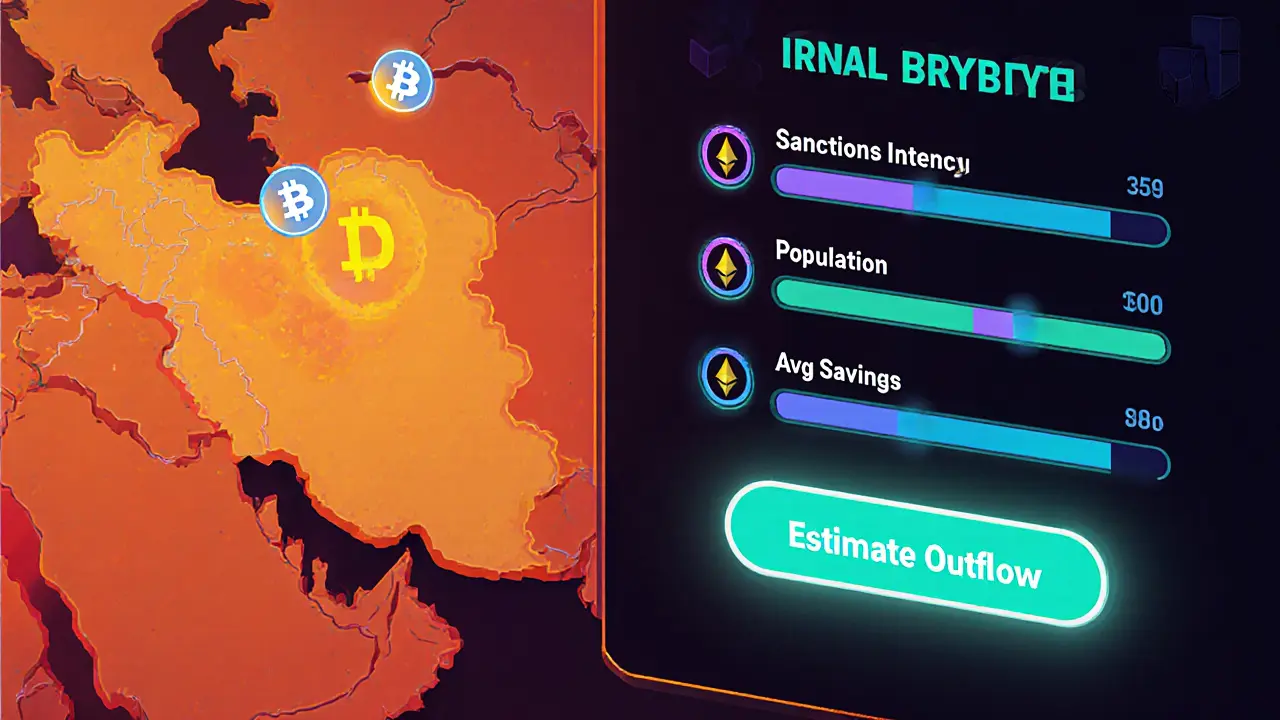
An in‑depth look at the $4.18billion crypto outflow from Iran in 2024, why it happened, key assets, methods used, and what it means for sanctions and the global crypto market.
View More