ABRA token: Everything You Need to Know
When working with ABRA token, a native utility token built on the XYZ blockchain that fuels decentralized applications and rewards participants. Also known as ABR, it combines token utility, the ability to pay fees, access services, and earn staking rewards within its ecosystem and a carefully designed tokenomics, supply schedule, inflation rate, and distribution model that aim to align incentives for users and developers. The token also supports a periodic airdrop, free distribution events that reward early adopters and boost community engagement, while its governance is handled through a DAO governance token, a voting mechanism that lets holders propose and decide on protocol upgrades. In short, ABRA token encompasses utility, tokenomics, airdrops, and decentralized governance, creating a self‑sustaining ecosystem.
The token utility of ABRA goes beyond simple payments. Holders can stake their tokens to secure the network, earn yield, and unlock premium features on partner dApps. This staking model mirrors what we see in many DeFi projects, where the reward rate (often expressed as an APR) reflects both network health and market demand. Because ABRA’s supply is capped at 200 million, its tokenomics—especially the inflation curve—play a crucial role in maintaining price stability while incentivizing participation. The airdrop structure, typically quarterly, distributes a fixed percentage of newly minted tokens to active wallets, encouraging long‑term holding and continuous interaction with the platform.
Key aspects of the ABRA token
Governance is another pillar. The DAO governance token lets community members lock ABRA tokens to earn voting power. Proposals range from fee adjustments to new feature rollouts, and the voting outcome directly influences the protocol’s roadmap. This model ties back to token utility: the more you use the network, the more influence you gain, creating a feedback loop that aligns user interest with network growth. Security also matters; ABRA’s blockchain employs a proof‑of‑stake consensus that relies on a high hash rate, a metric indicating the amount of computational power securing the chain to deter attacks. By monitoring hash rate, investors can gauge the network’s resilience and trustworthiness.
All these pieces—utility, tokenomics, airdrops, DAO governance, and security—interact to shape ABRA’s value proposition. Below you’ll find a curated collection of articles that dive deeper into each area, from detailed tokenomics breakdowns to guides on participating in airdrops and voting in the DAO. Whether you’re a newcomer looking for a quick overview or a seasoned trader seeking advanced strategies, the following resources will give you the practical insights you need to navigate the ABRA token landscape.
Cadabra Finance (ABRA) Explained: How the DeFi Yield Aggregator Works
By Robert Stukes On 5 Jun, 2025 Comments (22)
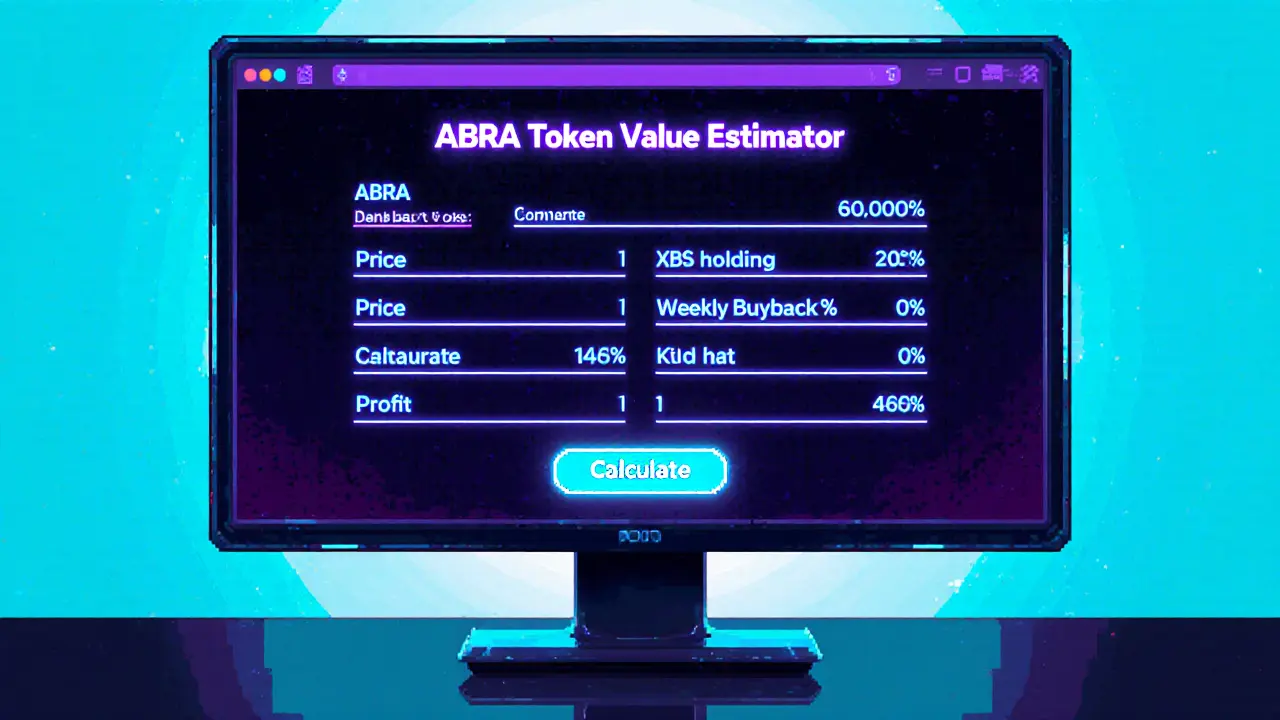
Discover how Cadabra Finance's ABRA token powers an automated DeFi yield aggregator, its deflationary model, multi‑chain support, fees, risks, and how to get started.
View More